House Lockout Service
Locked out of your home in Pensacola? Learn how technicians get you inside without damage, what proof of residence is needed, and what to secure after.
See the service page Call (850) 441-6113Request service
Your front door is the one piece of hardware you touch every day without thinking about it, until the day it stops cooperating. We are a mobile locksmith focused on homes around Pensacola, Escambia County and nearby Santa Rosa County communities. This page explains what we do for houses, apartments and rentals, how a visit works, what to prepare, and how we confirm that the person asking for help has the right to open the door.
Locked out of your home in Pensacola? Learn how technicians get you inside without damage, what proof of residence is needed, and what to secure after.
See the service pageWhy rekeying the locks right after buying or renting a Pensacola home matters, what the process involves, and how long old keys remain a risk.
See the service pageTenant turnover lock work for Pensacola landlords and managers: documentation, key control, rekeying many doors in one visit, and master key choices.
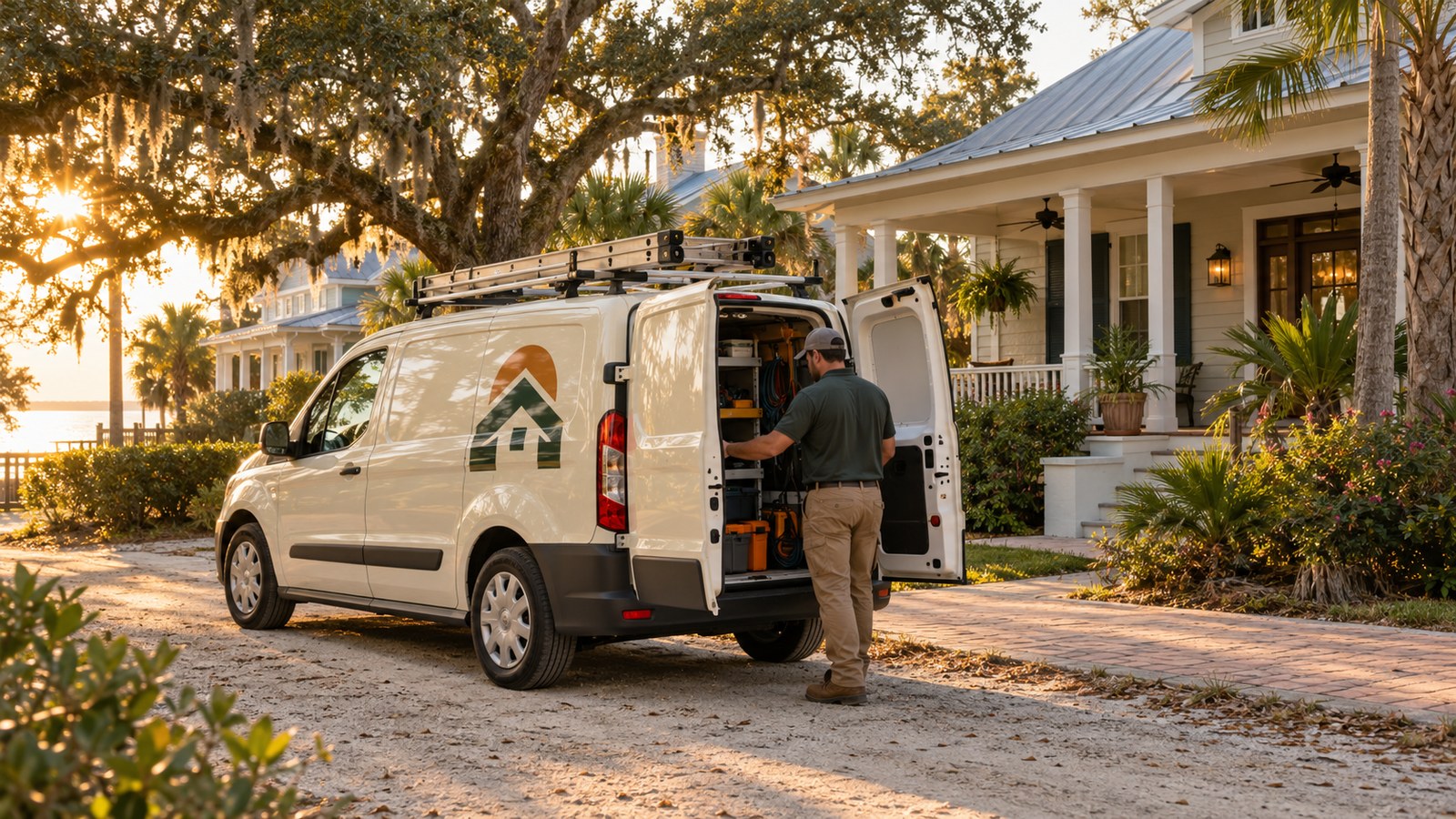
See the service pageMost locksmith work is really home work. It happens when someone returns from the grocery store and finds the key snapped in the cylinder, when a new tenant wants to be sure the last occupant cannot still walk in, or when a deadbolt that always felt stiff finally refuses to turn at all. We built this service around those ordinary, slightly stressful moments, and we bring the tools to your driveway or apartment breezeway instead of asking you to come to a shop. That attention to household reality is what separates a useful visit from a rushed one, and it is why we ask about who lives in the home before we ever pick up a tool.
Being home-focused means we pay attention to details that matter at a house and not at a storefront. We think about the kids who need to get in after school, the dog that cannot be left outside, the elderly relative who struggles with a small key, and the landlord who needs the unit turned over by the weekend. Each of those situations changes which lock we recommend and how we go about the work. Because we travel to you, the whole job happens where the problem is, which means we can test the lock on the actual door instead of guessing from a description or a photograph.
You will not find pressure or confusing jargon here. We explain what is wrong with the lock in plain words, tell you what the realistic options are, and let you decide. If a simple adjustment solves the problem, we say so. If a lock is worn out and replacing it makes more sense than another repair, we explain why, and you stay in charge of the decision. Straight answers matter more than a long sales pitch, so expect short explanations, honest limits on what a repair can do, and room for you to ask anything before work begins.
The core of our work is getting people back inside and keeping their doors dependable. That includes opening locked front, back and patio doors, removing broken keys from cylinders, rekeying locks so old keys stop working, installing and replacing deadbolts, repairing sticking or loose door hardware, and cutting spare keys on site. We also work on storm doors, side doors, garage entry doors and the small utility doors people forget until they jam. Whatever the task, we start by looking at the door itself, because the frame, the latch and the hinges often explain a problem that seems to belong to the lock.
Rekeying deserves its own mention because many homeowners do not know it exists. Instead of buying new hardware, we change the internal pins so the lock accepts a new key and rejects every old one. It is a sensible step after buying a house, ending a lease, losing a key ring or ending a relationship where someone had a copy. Often the existing hardware stays, which keeps the look of your door unchanged. A rekey also leaves your spare hardware, trim and finish exactly as they were, which is helpful in older homes where matching a particular style of lockset can be difficult.
Beyond emergencies, we help with planning. If you want every exterior door on one key, we can arrange that. If you are upgrading a worn lockset, we help you pick a sturdier deadbolt and make sure the strike plate and screws actually suit the door frame. A good lock mounted into a weak frame protects very little, so we look at the whole door rather than just the part with the keyhole. We would rather spend a few extra minutes on alignment and fasteners now than send you back to the same stubborn door a month later wondering what was missed.
A lockout feels urgent even when nobody is in danger, and that feeling is where mistakes start. People try credit cards, screwdrivers or a window, and they end up with a bent latch, a cracked frame or a cut hand. The calmer approach is to stop, check whether another door or a hidden spare is actually available, and call us. Nondestructive entry is almost always possible, and it leaves the door usable afterward. If you are standing outside with groceries, a child or a pet, tell us right away, because that changes how we prioritize the conversation and what questions we ask first.
How we open the door depends on the lock. Many residential deadbolts and knobs can be opened by careful manipulation or by bypassing the latch without drilling. Some lever handles and older mortise sets need a different approach. We look at the lock first, choose the least invasive method, and tell you if there is any chance of damage. Drilling is a last resort, and if it ever becomes necessary we explain it before we start. Whenever possible we also check that the door still locks and unlocks smoothly after entry, so you do not discover a hidden problem the next time you try to leave.
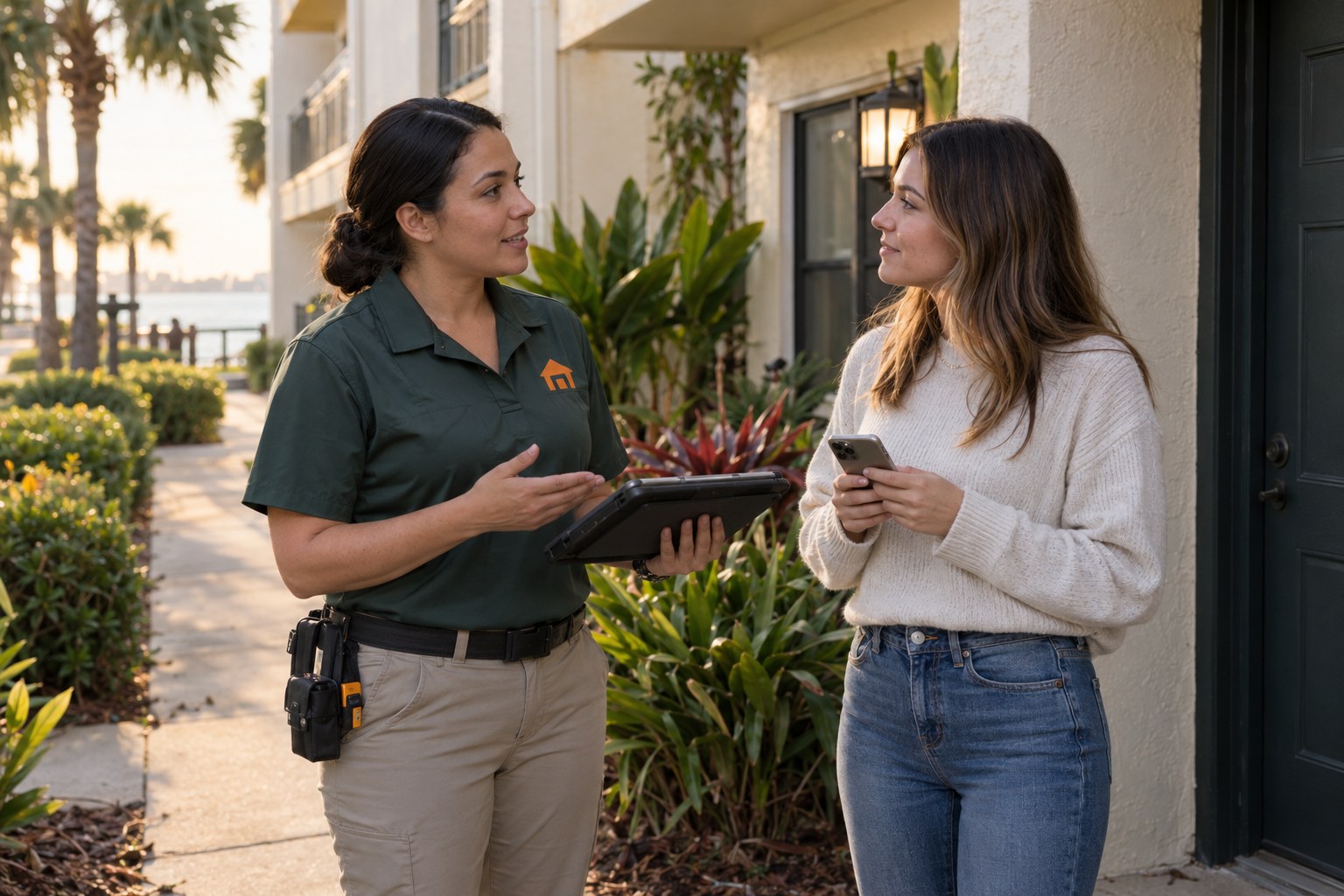
Apartments add a layer of complexity. Many complexes have rules about who may alter or open a unit, and some use building master keys or electronic access. If you rent, tell us when you call. We may need to confirm that your lease and identification match the unit, and in some cases the property manager has to be involved. That extra step protects you and your neighbors, and it is part of doing the job responsibly. If the building has a manager or a front office, having their number ready can turn a long back and forth into a quick, clean confirmation and a finished job.
Whenever a key goes somewhere you cannot track, the lock it fits is no longer fully yours. A previous owner may have given copies to a cleaner, a contractor, a neighbor or a relative. A lost key ring leaves you guessing whether it fell into a parking lot or a stranger's pocket. Rekeying answers that uncertainty cleanly, because after the work the old keys simply stop turning the cylinder. It also helps to keep a written note of which doors share a key and where the spares live, so the next change of locks starts from clear information instead of memory.
The process is quicker and tidier than most people expect. We remove the cylinder, replace the internal pins to match a new key cut, reassemble it and test the lock from both sides several times. You receive new keys, and we usually can set several exterior locks to match so you carry one key instead of four. If a cylinder is damaged or poorly made, we point that out and offer replacement as an alternative. We test every new key against the lock several times and cut a fresh spare if you want one, because a poorly cut key can wear a new cylinder faster than normal use.
Timing matters more than perfection. Do not wait for the whole house to be remodeled before you rekey. New owners often tell us they meant to do it in the first week and then spent a year unsure who had keys. Doing it early, ideally before you unpack, gives you a clear starting point. It is one of the least expensive ways to improve how safe a home feels, and it takes little time on site. That small step of acting early also makes everyday life simpler, since nobody wonders whether the contractor, the old roommate or the previous owner still has a way inside.
We work throughout the Pensacola area, from the older streets near downtown and the bay to the quieter residential areas inland. That includes Pensacola proper, the neighborhoods around the university and the naval air station corridor, and communities across Escambia County such as Gulf Breeze across the bay, Perdido Key, Cantonment, Molino, Warrington, Ensley and Bellview. We also cover Santa Rosa County towns including Milton, Pace and Navarre. If you are not sure whether your address falls inside our usual range, say where you are anyway, since we would rather hear it and give a clear answer than guess.
Each area has its own character, and the locks tend to reflect it. Older homes closer to the water often carry original hardware that has seen decades of humid air, and rewiring or refitting may be needed to modernize it. Newer subdivisions in Pace and Cantonment tend to use standard residential locksets that rekey easily. Apartments near campuses and bases turn over frequently, which makes rekeying between tenants common. Seasonal visitors and military families moving in and out of the area often ask for a quick rekey on arrival, and we are used to scheduling around those tight timelines.
Coverage can change with the day and what else is on our schedule, so please call to confirm availability and that we can reach your address. Tell us the street or community and whether it is a gated complex or a quiet cul-de-sac. Gate codes, narrow driveways and parking limits all affect how we plan the visit. A short conversation before dispatch avoids surprises for both of us when we arrive. Being specific about gates, parking and building entrances lets the technician arrive prepared, with the right tools and a realistic idea of how long the work should take.
It starts with a phone call, where we ask a few direct questions: where you are, what kind of home it is, what the door or lock is doing, and whether anyone is inside who needs help. If the job is straightforward, we give you a quote over the phone before anyone drives out. If it sounds complicated, such as a damaged frame or an unusual lock, a technician visits and the service call charge is explained before dispatch. The same sequence holds whether you own a house or rent an apartment, although tenants may be asked a few additional questions so that we respect the landlord's rights as well.
When the technician arrives, the first task is not touching the lock. It is confirming that you live there or have the authority to give access, which we cover in detail below. Once that is settled, the technician looks over the door, explains what will be done, and confirms the work matches what you were told. If something unexpected shows up, they pause and talk it through with you first. Everything we do is described out loud before it is done, so there is never a moment when you are standing in your doorway wondering what the technician is up to.
After the work is finished, we test everything properly. We cycle the lock with the door open and closed, check that the latch aligns with the strike, and make sure each key you receive operates smoothly. We hand over the keys, point out anything worth watching, such as a frame that is starting to warp, and answer your questions. You should leave the conversation understanding what was done and why. If you have a question later, such as how a new lock behaves in damp weather, you can call us again and we will walk through it without making you feel rushed.
A little preparation turns a stressful visit into a short one. Start with the address and any gate code, and be ready to describe the exact door that has the problem. Front door, back sliding door and garage side door all use different hardware. If you can see the lock, note whether it is a deadbolt, a knob, a lever handle or something electronic. A quick phone photo of the lock helps us bring the right parts. It is also worth locating the key you do have, even if it is the one that is stuck or worn, because a working sample can sometimes help us match the correct cut quickly.
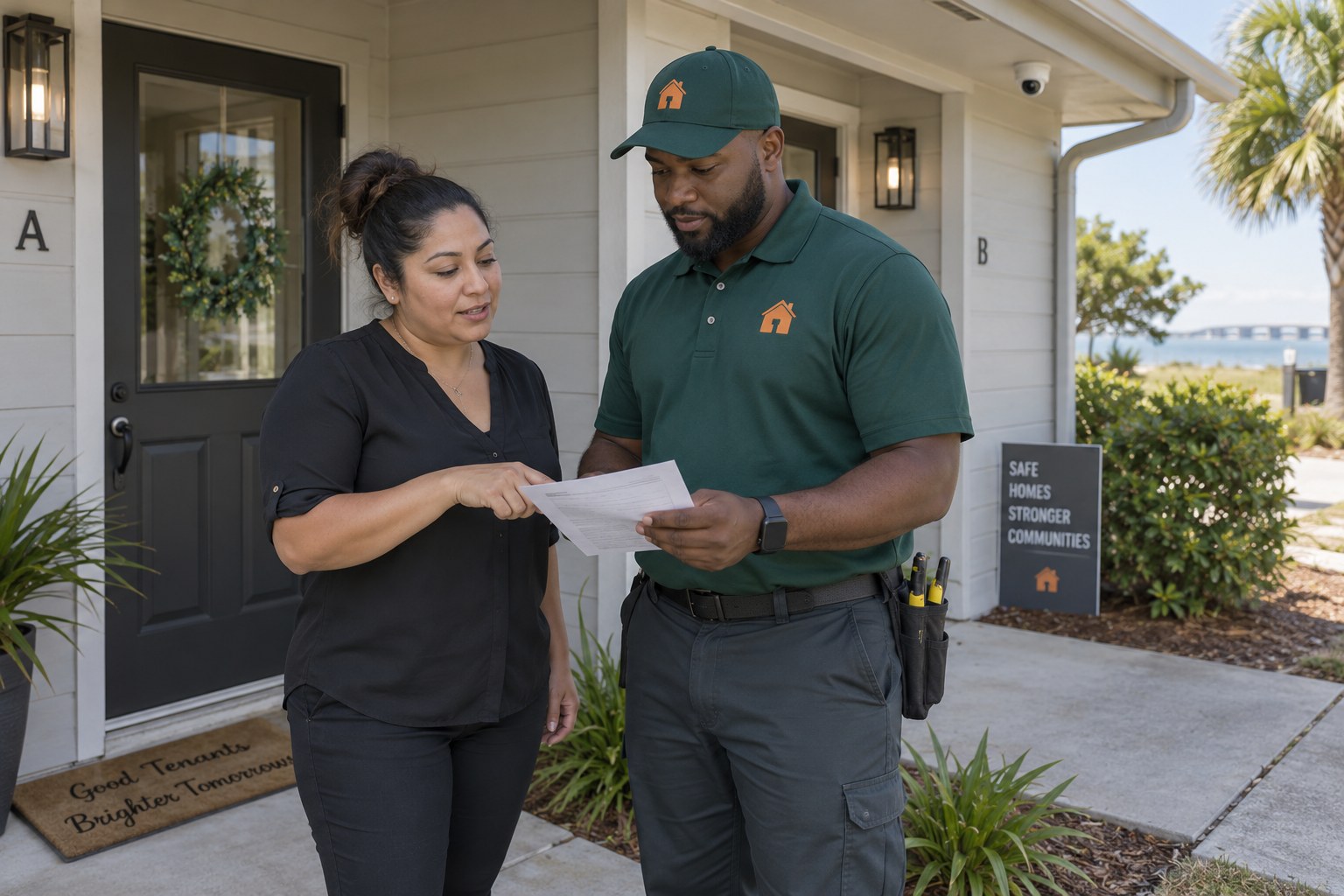
Next, gather proof that you may open the home. A driver license with a matching address, a lease, a recent utility bill, a mortgage statement or a property manager's contact information all work. If you are not at the property, tell us who is authorized and how we can reach them. Having these items near the door speeds the process considerably, because we cannot begin until authority is confirmed. If you rent, a copy of the lease on your phone is usually enough, and it saves an awkward search through paperwork while a technician waits on your porch or stairwell.
Finally, clear a path and think about pets. Move cars that block the driveway, secure dogs that might slip out when the door opens, and let your neighbors or building staff know a locksmith is coming if access is controlled. If you have spare keys somewhere that might still work, mention them. Knowing what you already tried also saves time, since a lock that was forced or sprayed with oil behaves differently. A flashlight, a clear doorway and a calm pet turn out to matter more than people expect, because the work is steady and precise and it goes best without interruptions.
A locksmith has one skill that can help or hurt depending on who is asking, so we treat access as a serious question. Before opening, rekeying or changing a lock on a home, we confirm that the person requesting service lives there or has the owner's authority. This is not suspicion of you. It is the same care that protects you if someone ever tried to call us about your house. We would rather take two minutes to ask questions than rush into an opening that someone later regrets, and almost every honest customer understands that after a short conversation.
What we accept depends on the situation. Owners can show identification matching the address, a deed reference or recent mortgage or tax paperwork. Tenants can show a lease and identification, and sometimes we contact the property manager. Family members helping a relative may need that relative on the phone or a clear explanation of the arrangement. If any piece is missing, we explain what would satisfy the requirement rather than leaving you stuck. Keeping this routine consistent for everyone also means no one has to feel singled out, because the same respectful questions apply to every home, every address and every caller.
There are cases where we cannot proceed. If two people disagree about who may enter, if a household dispute is underway, or if the documents do not support the request, we decline the work and suggest calling the property manager, the owner or the appropriate local authority. We know that is frustrating in the moment. It is also what keeps a locksmith from becoming the easiest way for someone to enter a place that is not theirs. When we do decline, we try to be useful about it by naming the people who can resolve the question, so you leave with a path forward instead of just a closed door.
Living near Pensacola Bay and the Gulf means constant humidity, salt in the air and a long storm season. Those conditions are hard on locks. Moisture creeps into cylinders and corrodes pins, salt dulls finishes and seizes screws, and swollen wooden doors rub against frames until the latch no longer lines up. Many calls we receive are really weather problems that look like lock problems. Because older Gulf Coast homes often have thick paint on frames and hinges, even a lock in perfect condition can bind until the door is eased back into proper alignment.
Simple habits help. Use a dry graphite or silicone based lubricant rather than heavy oil, which collects dust and gums up the pins. Wipe exposed hardware occasionally, and if a key starts to feel gritty or stiff, say so early, because forcing it can snap the key inside. Doors exposed to rain or sun may need their strike plate repositioned after the wood swells and shrinks through the seasons. A light touch with lubricant twice a year is far better than a heavy spray every time the lock sticks, and it keeps the pins clear of the grime that salty air carries.
Hurricane season changes priorities too. Before a storm, make sure every exterior door latches firmly and deadbolts engage fully, since a loose latch can allow wind to push a door open. After a storm, check for frames that shifted or hardware filled with debris and moisture. If doors no longer close properly, call us rather than leaving the house with a lock that only seems secure. A proper adjustment is better than hoping for the best. Taking an hour to walk around your house and test each lock before a storm is a modest habit that can save a stressful evening and an unexpected repair afterward.
Pensacola has a lively rental market because of tourism, the naval presence and the local university and college. That means homes and apartments change hands often, and the keys do not always keep up. Landlords and property managers use us to rekey between tenants so every new occupant starts with locks nobody else can open, and the work usually goes smoothly when we are scheduled ahead of move in day. Because these properties turn over often, a tidy record of who has which key becomes part of managing them, and we can suggest simple ways to keep that record up to date.
Tenants have their own questions. A renter usually cannot replace locks without the landlord's agreement, so we ask who authorized the work before starting. If you are a tenant who needs access after a lockout, we check your lease and identification and may confirm with the manager. If you are worried about a former roommate or partner holding a key, speak with the property owner about rekeying, and we can arrange it once permission is clear. A conversation in advance is always smoother than an emergency call, since scheduling a rekey ahead of a move in date leaves no pressure on anyone involved in the handover.
Short stay and vacation rentals bring different needs. Owners often want keyed entry that is easy to reset between guests and hardware that survives salt and sand. We can discuss options, including keyed locks that are simple to rekey on a schedule, and we advise on key control so copies do not multiply. We talk through the tradeoffs honestly, because the best setup depends on how many people come and go. Sand, salt and rushed guests all take a toll on locks near the beach, which is why sturdier finishes and simple rekey options are worth considering before the busy season.
People often assume a bad lock must be replaced, but there are three distinct paths, and the right one depends on the cause. Repair makes sense when the lock is basically sound and something small has failed, such as a worn spring, a loose mounting or a misaligned latch. A repair preserves the existing hardware, keeps the cost of the visit modest, and lets you avoid changing the look of your door. Appearance and convenience are rarely the only factors, and the easiest looking option can turn into the most frustrating one if it ignores the underlying cause of the problem you started with.
Rekeying fits when the concern is who has keys rather than the condition of the lock. The mechanism stays, the keys change, and the lock keeps working just as before. Replacement is the right call when the lock is badly worn, corroded, broken, or too weak for the entry it protects. A low grade knob on an exterior door, for example, rarely deserves another repair when a solid deadbolt is available. The age of the lock, the condition of the door and the way your household uses the entry all push the decision one way or another, and we weigh each of them openly.
We walk through these options at the door, using what we see rather than a script. We tell you which choice we would make in your place and what the tradeoffs are, including how long each option should last in coastal conditions. If you prefer a different path, that is your decision. Our job is to make sure you understand the difference between a quick fix and a lasting one before you commit. Whatever you choose, we test the result, show you how it works and tell you plainly what to watch for so the fix lasts as long as the hardware realistically can.
Yes. Our focus is residential locks, which includes single family houses, townhomes, apartments, condos and rental properties. Rules differ by building, so tell us when you call whether you own or rent. In apartments and rentals we may need to confirm authority with the property manager before opening or changing anything.
Quotes are given by phone, based on what you describe. If the job is simple, you hear the quote before anyone is sent. If it is more complicated, a technician visits and the service call charge is explained to you before dispatch, so you know what to expect before you agree to the trip.
Any reasonable document tying you to the property works, such as identification with a matching address, a lease, a utility bill or a mortgage statement. Tenants may be asked for the property manager's contact. If you do not have documents with you, explain the situation and we will tell you what else could work.
Usually not. We start with the least invasive method, such as careful manipulation or bypassing the latch, and most home lockouts end with the lock undamaged. Drilling or replacement is a last resort, and if it ever looks necessary we explain why and discuss it with you before doing any of it.
Availability changes through the day, so the best step is to call us and confirm. Tell us the address, the type of home and what is happening with the door. We will let you know whether we can reach you and how the visit would work before anything is scheduled or dispatched.