
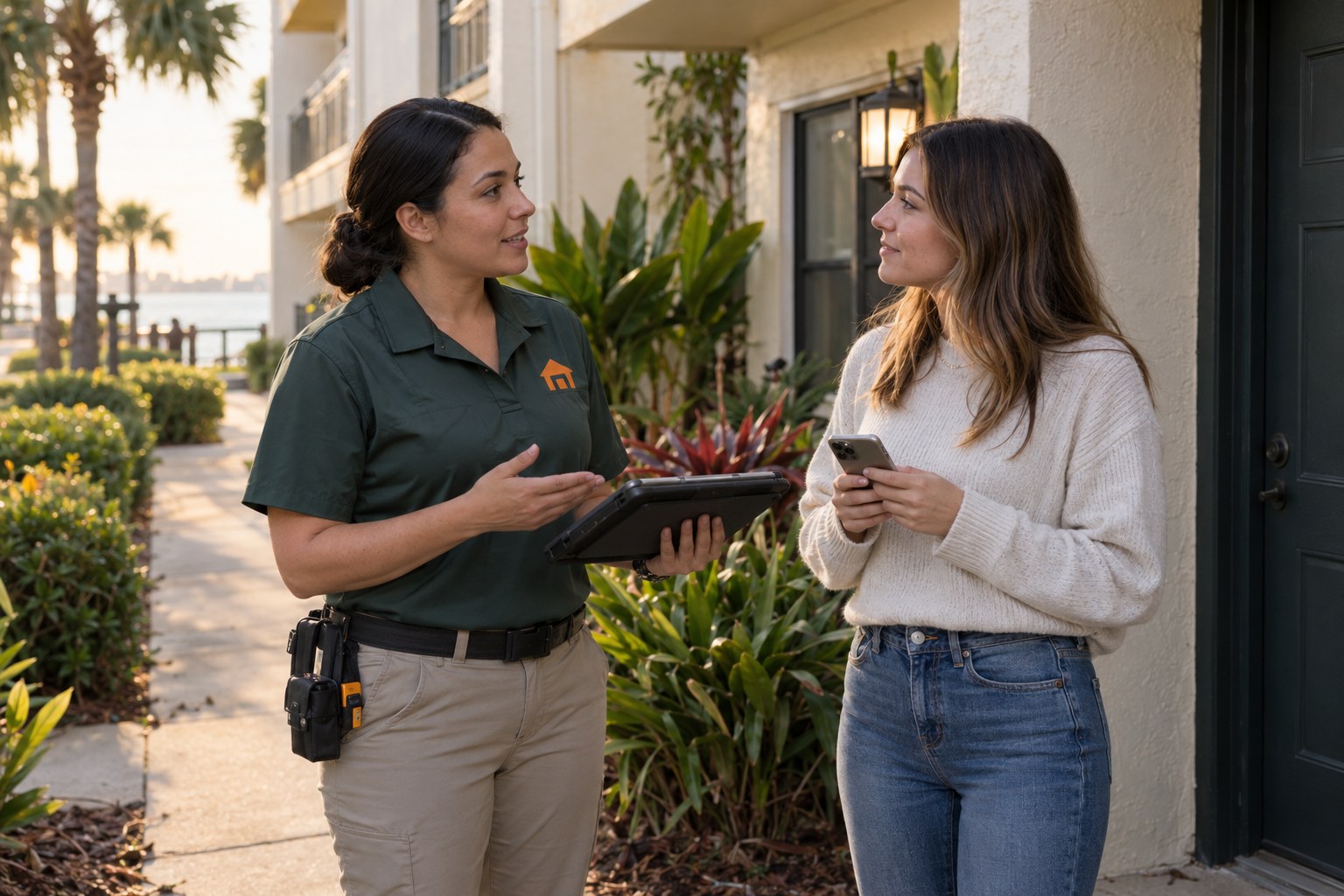
What home locks look like around Bagdad
Walk through Bagdad and you will see a mix of door hardware that tells the story of the housing itself. Older cottages and frame houses often still carry their original knob locks, sometimes with a deadbolt added decades later by a previous owner. Newer homes tend to have a standard keyed entry set plus a single deadbolt, both from the same builder-grade box of hardware. Because the age range is wide, a technician arrives expecting to meet several different generations of lock on a single street.
That variety matters when you call. A lock from a long time ago may use a key blank that is hard to find, while a recent builder set usually uses one of a handful of common keyways. Telling us what the door looks like, whether the lock is a knob or a lever, and whether there is a separate deadbolt helps us bring the right parts the first time.
We also see plenty of doors that have been painted shut around the hardware, strike plates that were moved a little during a repair, and storm doors that add a second lock to think about. None of this is unusual. Describe what you have on the phone and we will plan the visit around it, so the technician is not guessing on your porch.
If you are not sure what you have, a photo sent or described on the call is often enough. Look at the face of the door, the shape of the handle and whether there is a visible screw pattern. Those clues tell a technician whether the lock is a common residential type or something unusual, and whether a cylinder swap or a full replacement is likely to be needed for your door.
- Original knob locks on older frame houses
- Builder-grade keyed entry sets on newer homes
- Separate deadbolts added later by owners
- Storm doors with their own small lock
How humidity and salt air treat your hardware
The Gulf Coast climate is hard on metal. Warm, damp air and the faint salt that drifts inland from the bay work on exposed brass, steel screws and the tiny springs inside a lock. In Bagdad, with water close in several directions, a front door lock that sees weather every day can start to feel gritty or stiff long before it actually fails. The first sign is usually a key that needs a little wiggle to turn.
Moisture also swells wooden doors and frames in summer, which pushes the bolt against the edge of the strike plate. People often blame the lock when the real cause is the door rubbing. A technician checks both: does the bolt slide freely with the door open, and does it line up cleanly when the door is shut. Fixing alignment can be a better answer than replacing a perfectly good lock.
Plated finishes on cheaper hardware flake sooner near the coast, and corrosion can creep into the keyway. A quick cleaning with a proper dry lubricant sometimes revives a sticky cylinder, but if pins are corroded or bent, rekeying or replacing the cylinder is the honest answer. We explain which situation you have before we do any work.
Simple habits help between visits. Operate your deadbolt now and then so the bolt does not seize, wipe the keyhole with a dry cloth, and avoid oily sprays that attract dust and grit. If a key feels rough, replace the key copy before it wears the pins. A technician can show you what to look for during any visit.
Rekeying after you move in
The most common request from new residents is a rekey. You do not know who still holds a copy of the old keys, whether a former tenant, a relative of the seller, a contractor or a neighbor who watered the plants. Rekeying changes the internal pin arrangement so the old keys stop working, and you receive new keys that fit. The lock hardware stays on the door, so the look of the house does not change.
For a typical house we rekey the front, back and any side door so everything runs on one key, which is easier than carrying a ring of five. If you prefer separate keys for a shed or garage door, say so. Most standard cylinders can be rekeyed on the spot, and the technician tests every lock several times before leaving.
Rekeying is only done for someone who owns or is authorized to manage the property. We ask a simple question about ownership or tenancy, and may ask to see something showing the address, such as a closing document, lease or utility bill. It protects the owner and it protects you.
Keep the old keys until the job is finished so the technician can match the keyway, then dispose of them. If you only want one lock changed, such as the back door that a previous occupant used most, that is a reasonable choice. We will explain what stays the same and what changes before starting, so the plan is clear.
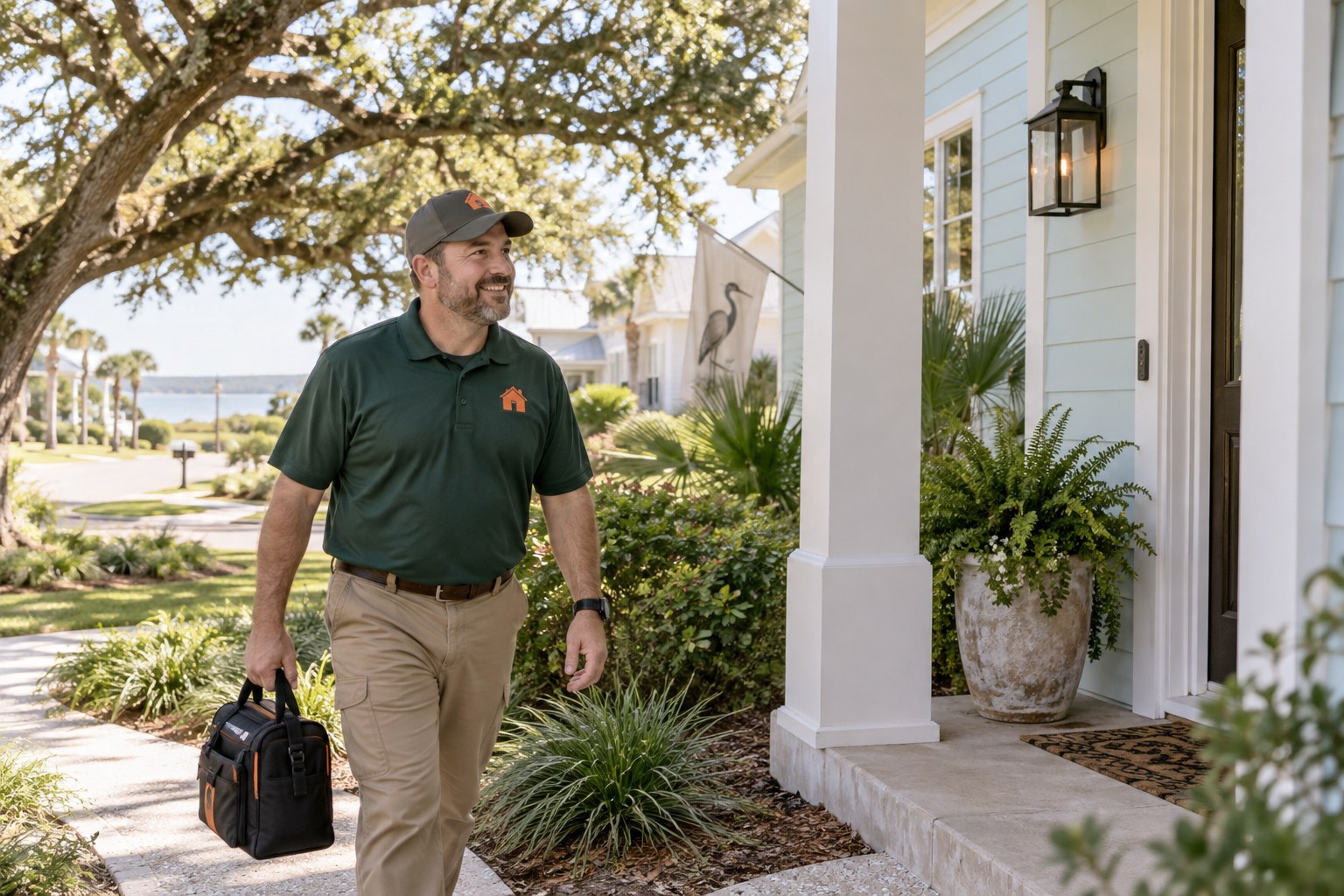
Rentals, tenants and landlords
Bagdad has its share of rental houses and small multi-unit buildings, and each change of tenant is a security moment. A landlord who rekeys between tenants controls who has access, which reduces disputes later about copies and lost keys. For a quick turnover, a technician can rekey every exterior lock in one visit and label the keys, so the next tenant starts clean.
Tenants should know what they are allowed to change. Many leases require permission before altering locks, and some require the landlord to hold a master key. If you are a tenant, check your lease or ask the landlord first. If you are the landlord authorizing a visit, tell us when you call so we can confirm authority and bill the right person.
Properties with several doors benefit from a keyed-alike plan, where all the exterior locks open with the same key, or a simple master scheme for the owner. We can talk through options by phone and decide what suits the building before anyone drives out.
Short-term and shared houses are different again. If several people come and go, think about who needs a key and who can use a keypad or lockbox instead. Fewer physical copies mean fewer to lose. We can discuss the practical tradeoffs by phone and keep the solution matched to how the property is really used.
Lockouts at the house
Being locked out is stressful at any hour, and it usually happens in the worst moment: groceries in hand, a child waiting, or a pot on the stove. The first step is calling us and describing the door. Is it a knob, a lever or a deadbolt, did the door close behind you, and is anyone inside who can open it from within? Those details let us plan the least destructive entry.
Most residential lockouts can be solved without damaging the lock. A technician uses non-destructive methods suited to the hardware, and only moves to drilling if nothing else works and the owner agrees. Afterward the lock is checked to make sure it still turns smoothly and the door latches properly.
Because we confirm ownership or authority before opening any door, expect to be asked for identification showing you live there, or a lease, or a similar document. If you cannot show anything on the spot, tell us honestly. We would rather solve it the right way than open a door for the wrong person. Call to confirm availability for your location.
If you are locked out of an outbuilding, a garage side door or a gate, tell us that too. Those locks are often simpler or older, and the right method differs from a front door. When we know what we are dealing with, the visit is shorter and less disruptive for you.
Deadbolts and the doors worth upgrading first
If you are thinking about security, start with the front door and the door that opens from the garage or carport into the house. A deadbolt with a solid bolt throw, set into a firm strike plate that is screwed deep into the frame, does more than a fancy lock on a flimsy frame. Many forced entries succeed because the strike plate is held with short screws, not because the lock was picked.
We often replace the short screws with long ones that reach the framing behind the jamb, and add a reinforced strike where the wood is soft. This is inexpensive work that makes a real difference. It is also good practice on older homes where seasonal swelling and shrinking have loosened screws over time.
For sliding glass doors, which are common on Gulf Coast homes, a simple secondary lock or a bar in the track is worth considering. We can look at what you have, tell you what is weak, and let you decide how much to do. No pressure, only a plain assessment.
Keep in mind that a stronger lock is not a replacement for good habits. Lights near the door, trimmed shrubs that remove hiding places, and a firm routine of checking locks at night all matter. A locksmith can improve the hardware, and you control the rest. We are glad to explain which upgrades give the most benefit.
- Long screws in the strike plate
- Reinforced jamb on soft wood
- Deadbolt on the garage entry door
- Secondary lock on sliding doors
Storm season and your locks
Hurricane season shapes how people near the Gulf think about their houses. Before a storm, doors get checked, shutters go up and garages are cleared. Locks deserve a place on that list. A door that sticks or latches loosely will not hold well under wind pressure, and a deadbolt that is rarely thrown may have a seized bolt that surprises you at the worst time.
After a storm, swollen frames and shifted doors can change how a lock lines up. If a door that worked before the weather suddenly will not latch or the key turns hard, mention that when you call. We will check alignment first, because forcing a key can snap it in the cylinder.
If a door was damaged, say by a fallen limb or flood water, a technician can assess whether the lock, the strike or the frame needs attention. For larger repairs a carpenter may be the right person, and we will tell you if the problem is beyond what a lock visit can fix.
Keep spare keys in a safe place away from the door, and never hide one under a mat or planter where anyone can find it. After a storm, test every exterior lock before you need it in a hurry. If you have a generator or shutters, check that your locks do not interfere with how you secure the house.
Walking through a Bagdad service call, and getting your porch ready
Start with a call. Tell us the address area, the door type and what is wrong. We give a quote by phone based on that description. If the job turns out to be complicated, such as a damaged frame or an unusual lock, a technician visits first and explains the service call charge before dispatch, so there are no surprises.
Before the technician arrives, clear the path to the door, bring any keys you still have, including broken pieces, and have proof that you live there or own the property. If pets are inside, secure them. If you have photos of the lock, they help us choose parts.
After the work, the technician tests each lock, hands you the new keys and shows you how the hardware operates. If anything feels off, say so before they leave. Call us to confirm availability for your part of the area and to talk through what you need.
Payment details and any paperwork are explained on the call and again at the door, so you are never guessing about what the visit includes. If you have questions about the work after it is finished, contact us and we will talk it through. Our aim is a lock that works smoothly and a customer who understands what was done.
Older frames, porches and the details that make doors unique in a small town
In a town with long standing homes, doors often carry history. Frames may have been repainted many times, thresholds may have shifted slightly, and hardware may have been added over the decades by different owners. These details do not make a lock impossible to service, but they do mean a technician looks at the door as a whole rather than only the lock.
Porches add their own character. A covered porch gives some protection from rain, yet it also traps humid air and can hold salt dust that settles and stays. Screen doors, storm doors and wooden entry doors each interact differently with the lock behind them, and a rubbing screen door can make a deadbolt feel stiff when the real cause is the door hanging against it.
If your home has features you are not sure about, such as an odd sized bore or a lock that has no visible brand, a photo helps. Describe how the door is used, which entries the household prefers, and any recent changes in how the door closes. A technician can then bring suitable parts, and you avoid a second trip. Call to confirm availability and explain what you need.
Smart locks, keypads and keeping keys manageable
Many Bagdad households are curious about keypad deadbolts and smart locks, especially for rentals and busy families. A keypad lock can remove the need for a spare key under the planter, and it lets you change a code when a guest or contractor is done. The tradeoff is batteries, and a unit that is not built for coastal humidity can misbehave. We can talk about which models suit exposed doors and which are better kept to sheltered entries.
Installation matters as much as the product. A keypad deadbolt must sit squarely in the door bore, and the strike must line up so the motor is not fighting a rubbing bolt. Many failed smart locks are really misaligned doors. A technician checks the door first, adjusts what needs adjusting, and then mounts the lock so it runs smoothly.
Even with a keypad, keep one real key somewhere safe. Batteries die, boards fail, and storms knock power out. A mechanical backup means you are never stranded outside. We set up the backup key and show you how to change the code, replace the batteries and use the override.
If you are unsure whether a keypad is right for your house, say so on the phone. Sometimes the best answer is a good ordinary deadbolt and a tidy key plan, and we will tell you that honestly when it is the case.
Questions people ask us
Do you come to Bagdad homes and apartments?
Yes, our mobile service covers the Bagdad area along with the rest of the Pensacola region. Because availability changes, please call to confirm it for your location and describe the lock problem so we can plan the right parts and give you a quote by phone before dispatch.
What do you need to see before opening a door?
We confirm ownership or authority first. That can be an identification with the address, a lease, a closing document or a utility bill. It protects the real owner and tenant. If you cannot show anything immediately, tell us and we will explain what alternatives might work.
Is rekeying better than replacing the lock?
Often yes. Rekeying changes the internal pins so old keys stop working while keeping the hardware you already have. Replacement makes sense when the lock is worn, corroded, damaged or too basic for what you want. The technician explains which fits your door before starting the work.
Why is my key hard to turn in humid weather?
Humid air can swell a wooden door, causing the bolt to rub the strike plate, and it can also make a worn cylinder gritty. A technician checks alignment and cleans or lubricates the lock with a suitable product, then advises if rekeying or replacement is a better answer.
How do I get a quote?
Call us and describe the door, the lock type and what is happening. We give a quote by phone. If the job is complicated, a technician visits and explains the service call charge before dispatch, so you know the plan before work begins.