

How a car ends up locked with the keys inside
Modern cars lock in many ways. Power locks can engage when the doors are closed, when the car senses movement, or when you press the lock button on the door panel while the door is open. Some vehicles lock automatically when the transmission is shifted out of park. A key fob left in the cabin may not always prevent locking, depending on the system.
Older vehicles with manual locks can be locked by pushing the lock button down and closing the door. Children playing in the car can lock it. A dead key fob battery may stop the remote from working, and the car may not respond to your attempts at unlocking.
None of this means you did anything wrong. Many vehicles are designed with safety and anti theft features that sometimes work against the owner. The good news is that a skilled technician can open most vehicles without scratches or damage, and often in a short visit.
What to check before calling
First, try every door, the trunk and the rear hatch. It is surprisingly common to find one door unlocked. Check whether a spare key is at home, and whether someone else in the household can bring it to you. In your own driveway, this may be the quickest solution.
If your car has a manufacturer app or a connected service that can unlock remotely, check it. Many newer vehicles offer remote unlocking through a phone app or a subscription service. If you have set that up, it can save time. Make sure your phone is charged and has a signal.
If nothing works, consider whether there is any danger. A child or pet in a closed car in the Gulf Coast heat is an emergency, because the temperature inside a parked car rises rapidly. If anyone is inside, call emergency services immediately; they can act faster than anyone else.
Proof of ownership: why it comes first
A locksmith checks that you own or have the right to use the vehicle before opening it. This is a standard part of the work, and it protects owners from theft. You will be asked for identification, and for something connecting you to the car: a registration, an insurance card, a title, or a photo of the vehicle's paperwork.
If those papers are locked in the car, there are other options. Photo identification with an address that matches the registration records, a call to the insurer, or a document on your phone can help. The technician decides what is enough. Having your driver's license is usually the starting point.
For a car registered to a family member or a company, the registered owner may need to authorize the work by phone. Borrowed or rental vehicles are handled through the owner or rental company. The technician cannot open a vehicle without confirming authority, and will explain what is needed.
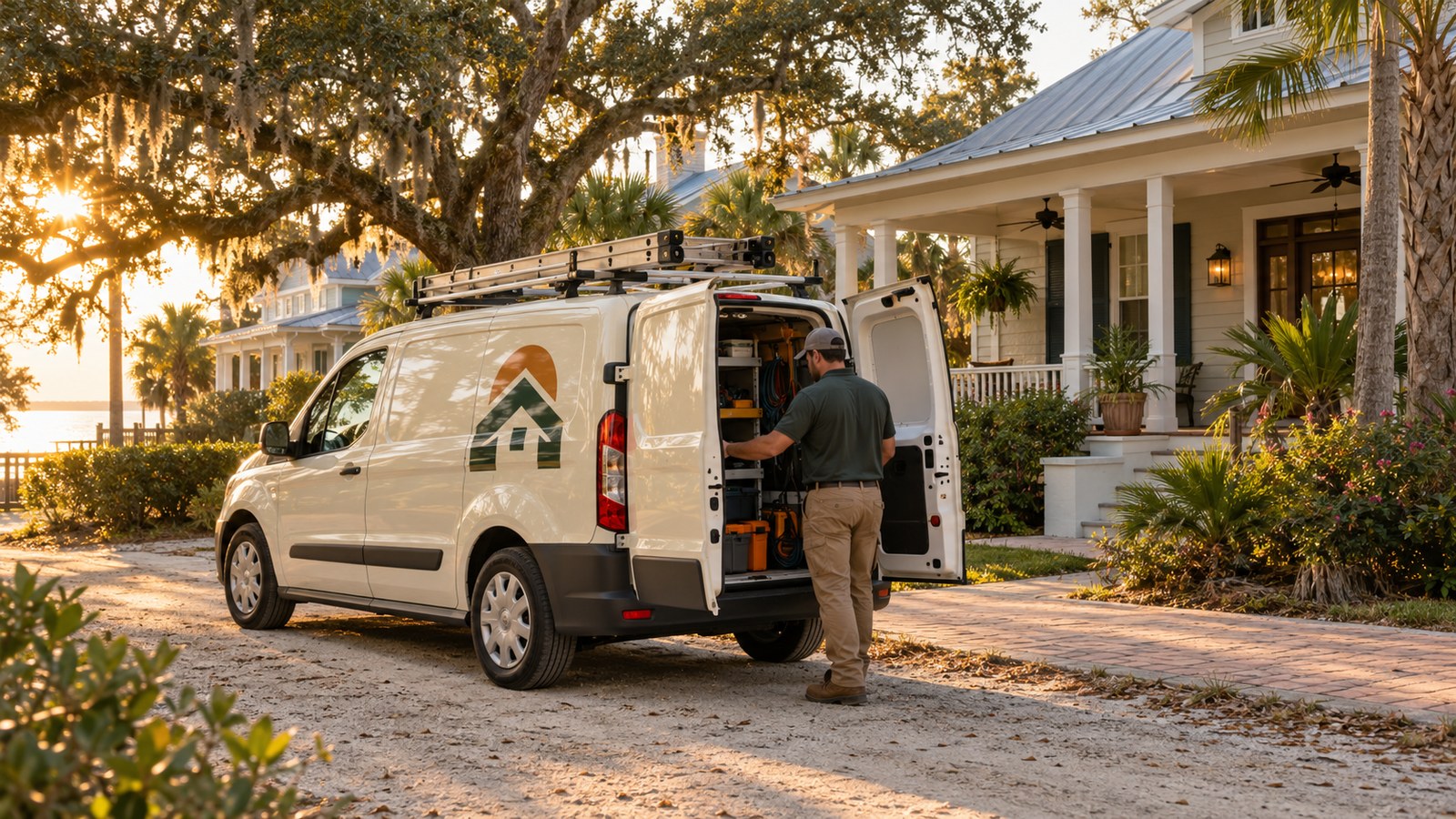
Methods used to open a car without damage
Technicians use specialized tools designed for the job. A common approach is an inflatable wedge to create a small gap at the door frame, and a long reach tool to press the unlock button or pull the handle. Done correctly, this leaves no marks. Care is taken to protect paint, weather stripping and window seals.
Some vehicles have side airbags and wiring inside the door, and the technician avoids those areas. Newer cars with frameless windows or complex seals need different techniques. A technician with experience in vehicles knows which approach suits which design.
In rare cases, other methods are used, such as accessing a lock cylinder with a specific tool. Breaking a window is a last resort and almost never needed. If your car has unusual features, such as a pass key system, tell the technician. They will describe what they plan to do before starting.
Keys, fobs and what is inside the car
If a key fob is locked inside, once the door is open you can retrieve it. If the fob has a dead battery, replacing the battery usually fixes it. Many fobs have a hidden mechanical key; knowing where it is helps in the future.
If you have lost the keys entirely, a lockout is a different problem. Replacing keys for modern vehicles involves programming and is a separate process, which involves proof of ownership and sometimes a visit. If the keys are not inside the car, the technician can tell you the options.
Do not assume a spare key is safe in a magnetic box under the car. Thieves know about those boxes. Keep a spare in a safe place at home or with a trusted person, and consider a valet key or a keypad entry if your car has one.
Parked in a garage or a tight driveway
Working at home brings its own details. If your car is in a garage, the technician needs room to open the door and work. If you have a tight driveway or are parked on a slope, mention it. If the car is behind a gate or locked fence, make sure the technician can get in.
In a garage, the door opener and the car's own remote may interact. If the garage door has a built-in transmitter in the vehicle, check that it is working. If the car is blocking the garage door, there may be other considerations.
Safety matters. Keep children and pets away from the work area. Make sure the vehicle is in park and the parking brake is on. If the vehicle might roll, tell the technician. A calm, uncluttered space makes the job go smoothly.
Hot weather and urgent situations
Heat is a serious concern on the Gulf Coast. A parked car can become dangerously hot in minutes, even on a mild day. If a child or animal is inside, do not wait. Call emergency services first. They are trained and equipped for these situations.
If you are waiting for a technician with nobody inside the car, stay out of the sun. Find shade or go indoors, and keep your phone with you. The technician will call when nearby. Avoid trying to open the car with household tools, which can damage seals and paint.
In a heavy storm, the same applies. Wait in shelter. Water inside a door after prying can cause electrical problems. A technician can protect the car from the weather during the work, but it is better to have a dry moment.
Keyless entry, push button start and smart systems
Many newer cars use proximity keys and push button start. The doors may unlock as you approach, and the car may refuse to lock with the fob inside. Despite that, there are situations where the fob is in a bag on the seat and the car locks. Settings vary by make.
Some systems need the fob to be recognized in the cabin to start, and an intact battery. If the car will not start after opening, the fob battery may be weak. Learn where your car's backup start position is, typically a spot on the dash or console where the fob is held.
Smart vehicles may have alarms that sound when a door is opened without the key. The technician is aware of this and can often avoid triggering it. If the alarm sounds, it can be silenced when the fob is inside the car and the door is opened normally.
Avoiding another locked-in-the-driveway moment
Simple habits go a long way. Put your keys in the same pocket every time. Check for the fob before closing the door. Many cars have a chime if the fob is left inside, but not all. Teach everyone in the household to do the same.
Keep a spare key somewhere reliable at home. A hook by the door, a lockbox or a trusted neighbor are good choices. If your vehicle has a keypad entry on the door, learn how to use it. Know whether your car has an app that can unlock it.
If your car has a feature that locks automatically, check the settings. Many cars allow you to turn off auto lock or change when it engages. Your owner's manual can guide you, and a technician or dealer can help if needed.
Fleet, shared and family vehicles
Households with several drivers have more chances for lockouts. A shared vehicle may have a single fob that travels between people. Set a rule about where the key lives. Keep a spare for each vehicle and know where they are.
Teen drivers are a common source of lockouts. Teach them the habit of checking for keys, and make sure they know who to call. A short conversation about proof of ownership helps, since a teen may not have the vehicle registration on hand.
If a vehicle belongs to an employer, a rental company or another person, contact them. They may need to approve the work, and they may have roadside assistance that covers lockouts. Check before paying for a service you may already have.
Arranging a visit
When you call, tell us the make and type of vehicle, where it is parked, and whether anyone or any pet is inside. Describe whether the keys are inside and what type of key you have. Have your identification and registration or insurance information ready if possible.
Quotes are given by phone. If the job is complicated, a technician visits and the service call charge is explained before dispatch. Please call to confirm availability. We check ownership before opening any vehicle.
Once inside, test the doors and locks, and make sure the car starts. Ask about any concerns, like a stuck lock or a fob that is acting up. Store your spare key safely so the next lockout is a short story.
After the door is open: checks worth making
Once you are back in the car, take a minute before driving off. Make sure you have all your keys, including any spare fob, and that nothing was left in a pocket or bag. Test the locks from inside and outside. Press the remote buttons to confirm the fob still works. If the key fob is not responding, try a fresh battery before assuming it has failed.
Look over the door and window edges for any marks. A properly done opening should leave nothing. If you notice anything, mention it right away. Check that the weather stripping sits correctly, and that the door closes with a normal sound. These small checks give you confidence in the work.
If the lockout revealed a problem, such as a lock that does not respond or a fob that works intermittently, deal with it soon. A weak lock actuator or a worn key can cause trouble again. A technician or your dealer can diagnose it, and catching it early beats another lockout in a parking lot.
Spare keys and why a plan matters
Every vehicle owner benefits from having a spare key stored sensibly. A spare at home means a lockout in your driveway is solved by a short walk. A spare held by a trusted family member means a lockout across town can be fixed by a visit. Without a spare, the options narrow and cost more.
Modern keys often contain transponder chips and may need programming. Having a spare cut and programmed ahead of time is usually simpler than doing it after you lose your only key. Ask your locksmith about spare options for your vehicle. Replacement keys involve the same proof of ownership as lockouts.
Consider where the spare lives. A hook inside the house, away from windows and doors, keeps it safe from thieves and handy for you. Do not leave a spare in the glove box or under the car. A tag with your address or license plate on the key ring is a mistake; keep keys anonymous.
Battery trouble, fobs and little failures
A surprising number of lockouts begin with a weak fob battery. When the battery is low, the remote may work inconsistently, and the car may behave oddly. Replace the battery every couple of years, or at the first sign of reduced range. It is cheap, quick and prevents a lot of grief.
Car batteries matter too. A dead car battery can leave power locks unresponsive, and you may find yourself locked out or locked in. Heat and humidity shorten battery life on the Gulf Coast. If your car is slow to start, have the battery tested before it fails completely.
If a door lock actuator fails, the door may not lock or unlock reliably. That can cause situations where the car appears locked but is not, or the reverse. A technician can tell you whether it is a lock problem or an electrical one, and point you to the right repair.
Garage opener remotes, door codes and the second way into the car
When keys are locked in a car parked at home, you may have more options than it first appears. Many vehicles have a keypad on the door pillar or a connected phone app that can unlock them if set up in advance. Check whether anyone in your household has a spare fob in a drawer, a key on a hook or a digital key on a phone. Think about whether a trunk release, a rear hatch or a rear door might be unlocked, since some vehicles do not lock every opening at once.
Do not try to open the car with a coat hanger or a flat tool slid into the door. Modern doors contain wiring, airbag sensors and shielded cables, and a clumsy attempt can scratch paint, tear weatherstripping or damage the lock linkage. A locksmith uses purpose-made wedges and reach tools that spread the door gently, and choose the method based on the style of door. Because the vehicle is at your home, the technician can usually work in a calm environment with proper light and space.
Before the technician begins, be ready to show that the vehicle is yours. A registration or other document that matches the car and your identification is the usual approach. If the car is registered to someone else, such as a family member or an employer, say so at the start and ask what authority the technician can accept. Having this sorted before arrival avoids delay. Once the door is open, take time to confirm you have a working spare so the same situation does not repeat the following week.
Older cars, trucks and unusual vehicles
Not every vehicle is a recent sedan. Older cars with manual lock posts, pickup trucks with tall doors, vans with sliding doors and vehicles with aftermarket alarms all present different challenges. Older cars are often simple to open but have fragile weather stripping that needs care. Trucks and vans may have longer door gaps and different lock linkages.
Classic or collector cars deserve extra caution. Original paint, chrome trim and rubber seals can be damaged easily, and parts may be hard to replace. If your vehicle has special value, say so on the call and describe its condition. The technician can plan the work to protect it.
Aftermarket remote starters, alarms and tracking devices may also affect entry. An alarm may sound, or the car may enter a lockdown mode. If you added such a system, mention it. Knowing what is installed helps the technician avoid surprises and keeps the work quick.
Questions people ask us
Will opening my car damage the paint or door?
Not when done properly. Technicians use inflatable wedges and long reach tools designed to protect paint, seals and wiring. Breaking a window is a last resort and rarely needed. Tell the technician about any special features of your vehicle.
What proof of ownership do I need?
Photo identification and something linking you to the car, such as a registration, insurance card or title. If papers are locked inside, other proof may be accepted at the technician's discretion. Borrowed or company cars need the owner's authorization.
There is a child or pet locked in my car. What should I do?
Call emergency services immediately. Heat builds fast in a closed car, and they can respond in a way a locksmith cannot. Do not wait for a technician in that situation.
My key fob is locked inside and the battery is dead. Can you help?
Yes. The car can be opened, then you can replace the fob battery. Many fobs hide a mechanical key, and your manual shows where the backup start spot is. If the keys are lost entirely, replacement is a separate process.
How do I get a quote?
Call us with the make and type of vehicle, where it is, and who or what is inside. Quotes are given by phone. If the job is complicated, a technician visits and the service call charge is explained before dispatch. Please call to confirm availability.