
Living beside working water
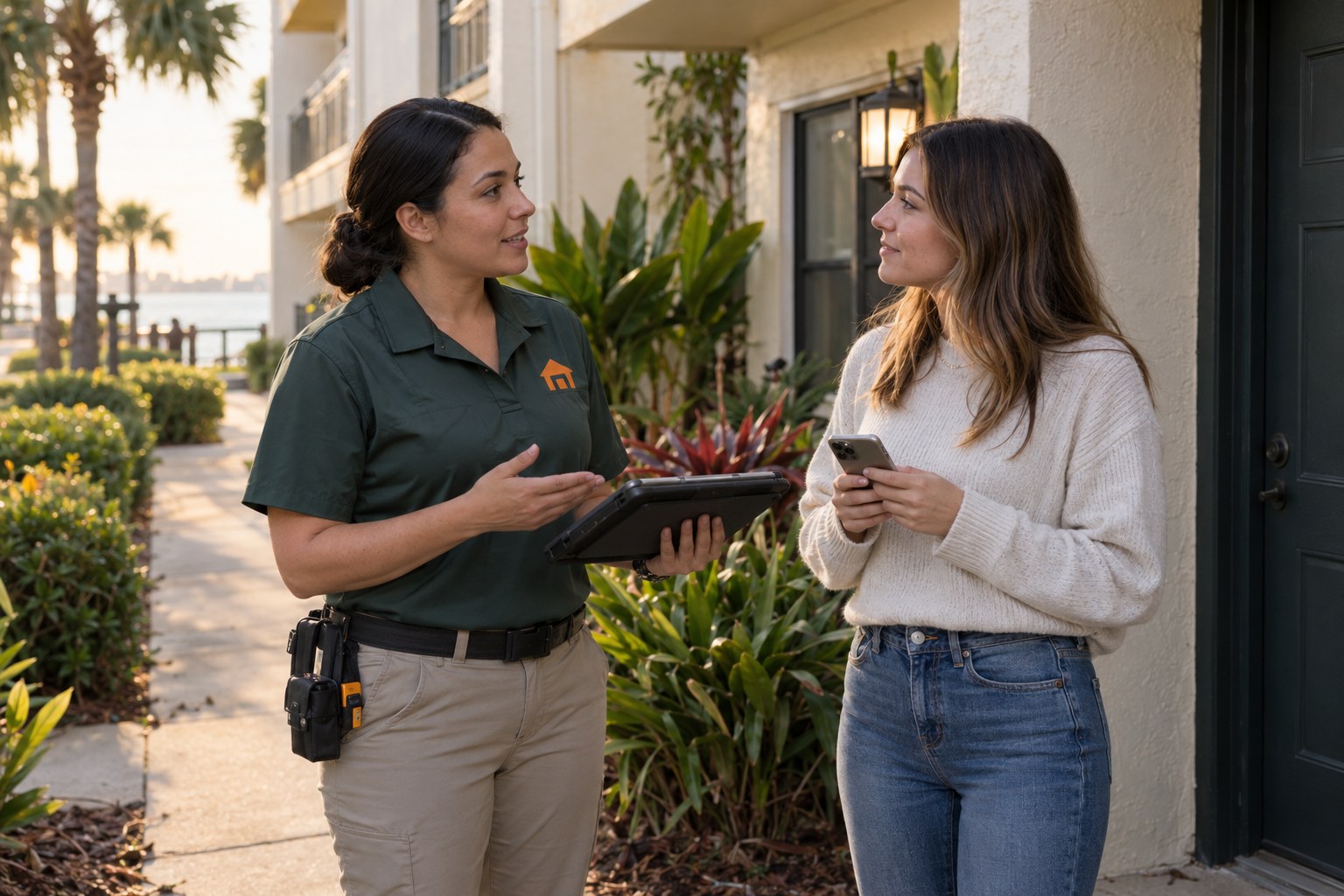
Homes near a working bayou live with moisture in every season. Mornings bring dew and fog, afternoons bring heat and humidity, and storms push spray inland. Door hardware sits in the middle of it, and the metal parts that make a lock work are tested constantly. A lock that would last decades in a dry inland setting may need attention in a few years here.
The people who live near the water often know this from experience. Boat parts rust, tools rust, fasteners rust. Locks are no different. What matters is catching the early signs, since a lock that is merely stiff is easier and cheaper to fix than one that has seized.
Early signs include a key that needs a wiggle, a deadbolt that moves slowly, a latch that sticks halfway and a green or white crust on brass parts. If you see any of these, call before the lock fails completely.
We ask for a description of the door and the exposure. Does the door face the water? Is it covered by a porch? That helps us predict the condition of the hardware.
Keep a simple habit: once a season, stand at each exterior door and run through the lock, the latch and the handle as a guest would. Notice anything that feels different from last time. Small changes in feel are the earliest and easiest warnings to act on, and mentioning them on a call helps us decide whether a quick adjustment will do or whether parts need replacing before the next stretch of damp weather arrives.
Which metals and finishes survive best
Not all door hardware is built for the same conditions. Solid brass resists corrosion better than thin plated steel, though it will tarnish. Stainless steel components hold up well but can be costly. Plated finishes are fine for a protected interior door and often fail quickly on an exposed exterior one.
When we replace a lock for a waterfront home, we look at the whole assembly. The cylinder, the bolt, the strike plate and the screws should all be made of materials that can handle moisture. A strong lock with rusty steel screws is only as good as its screws.
Marine-grade or coastal-rated products exist and are worth considering for doors that take direct exposure. They cost more, but replacing a cheap lock repeatedly costs more over time.
Ask us what is available and how it fits your door. We give an honest recommendation, including cases where a basic lock is sufficient.
- Solid brass bodies resist corrosion
- Stainless fasteners avoid rust streaks
- Sealed cylinders keep out spray
- Plated thin steel fails early outdoors
Cleaning and caring for exposed hardware
A little routine care goes a long way near salt. Rinse exterior hardware with fresh water now and then, especially after storms, and dry it with a cloth. This removes salt crystals before they work into moving parts.
Lubricate sparingly. A dry lubricant made for locks keeps the pins moving without collecting dirt. Avoid spraying oil into the keyway. Apply a thin film to the bolt and latch, where metal slides against metal.
Check screws every season. Corrosion can weaken fasteners in the hinge and strike plate. If a screw looks rusty or turns without gripping, replace it with a corrosion-resistant one of the same size.
If a lock has already begun to corrode inside, cleaning will not fully restore it. The technician will tell you if rekeying or replacing the cylinder is wiser.
Rekeying for new tenants and new owners
Waterfront neighborhoods see people come and go, including workers who move for jobs, families who buy their first home and renters who want to be near the water. Each change of occupant raises the question of who holds old keys.
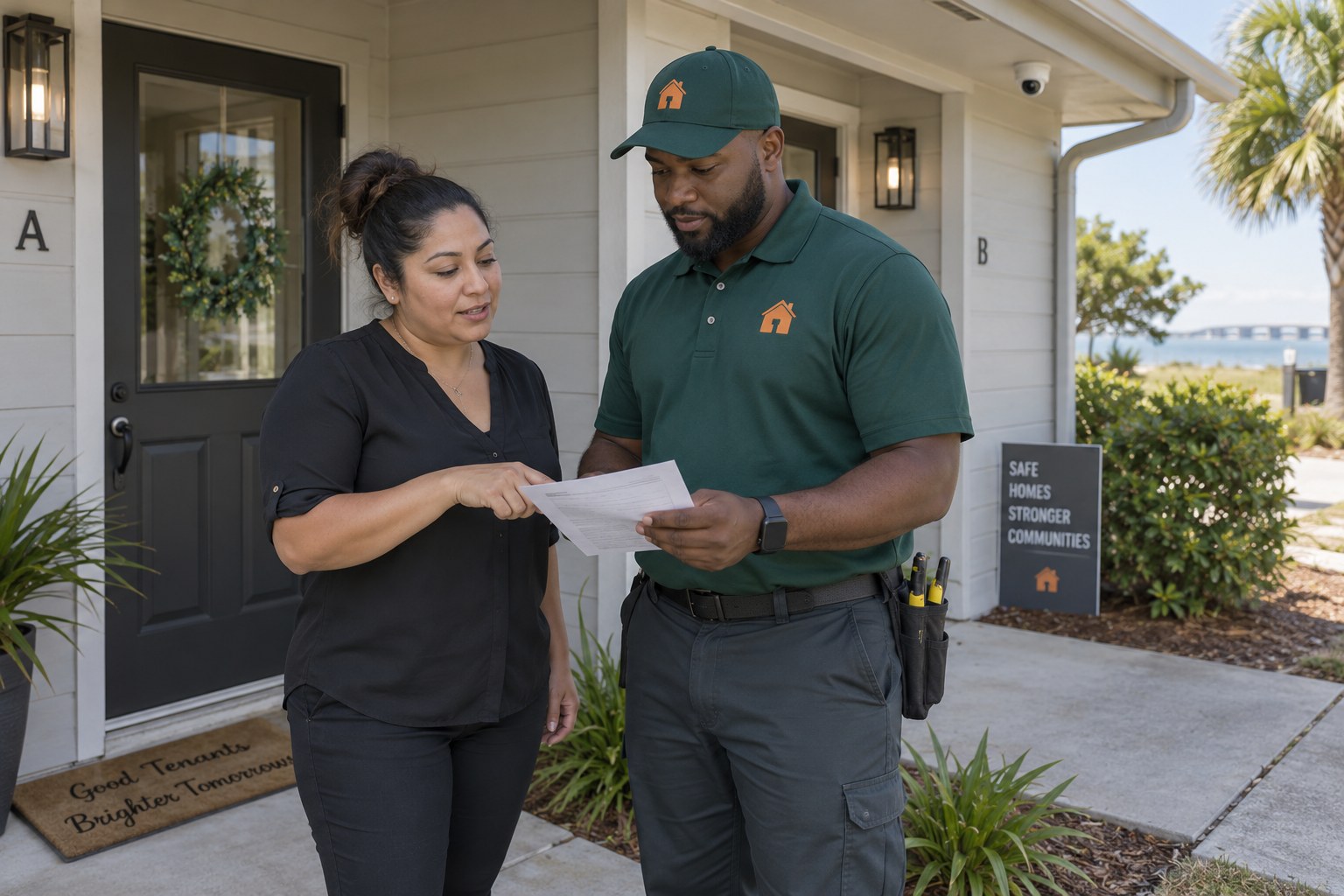
A rekey replaces the unknown with a known. The technician changes the pin arrangement in each lock so that old keys no longer work. You receive new keys for every door, and the process often takes less time than people expect.
If you rent, ask your landlord whether locks were rekeyed before you moved in. If not, a polite request often works. If you want to do it yourself, ask first, since leases usually say who may change locks.
We confirm ownership or authority before rekeying anything. Bring a lease, deed or closing paper. Call to confirm availability, and we will quote by phone.
Apartments and shared walkways
Apartment buildings near the water often have exterior walkways and stairs, which means unit doors face the weather. A door in this position needs better hardware than one tucked inside a corridor. Tenants frequently report sticky locks, and the cause is often corrosion on a basic builder-grade lockset.
Managers can reduce service calls by choosing weather-appropriate locks when they replace hardware. A coastal-rated lock costs a bit more at the start and saves repeated visits. We can advise on options and install them in batches.
Residents should be aware that changing a lock without permission may breach the lease. If you are locked out, contact the office first if possible. If they cannot help, we can assist after verifying that you live there.
For managers, we can set up a key schedule that tracks which keys belong to which unit, which is helpful at turnover.
If you share a stairwell or walkway with neighbors, be courteous at the door. A technician working outside may need space for tools and a few minutes of quiet. We keep the work tidy, take away any old parts and leave the area as we found it, so your neighbors are not troubled by the visit.
Lockouts: what to do and what to tell us
If you are locked out near the water, be aware of your surroundings. Wet steps and walkways are slippery, and weather can turn quickly. If you must wait outside, find a covered spot.
When you call, tell us the type of door, the lock and the circumstances. Mention if the door is metal, wood or fiberglass, whether there is a deadbolt and whether the lock is a knob or lever. This guides the method we choose.
We always prefer methods that leave the door unmarked. On older corroded locks, this can take extra care, because parts may be stuck. If we must drill, we explain the reason and replace the lock afterward.
We verify ownership or authority at the door. Have identification showing the address or a lease available.
Sliding doors and balcony access
Waterfront homes love sliding glass doors for the view, but sliders are a known weakness. The factory latch is often a small hook, and the track can collect debris and salt, making the door hard to close fully. A door that does not close fully does not lock properly.
Cleaning and lubricating the track often restores smooth movement. Replacing worn rollers helps the door seat correctly. Once the door closes fully, a secondary lock or a bar in the track adds security.
Balcony doors on upper floors deserve the same attention. People assume height protects them, but a determined person can climb. A decent lock on the balcony door is worth having.
We can examine your sliders and suggest simple improvements.
Boats, trailers and equipment storage
Living by the water often means owning boats, trailers or gear. Those items have their own locks, and we handle the ones attached to your property, such as storage boxes, shed doors, gates and padlocks. We check authority for each item before opening or rekeying.
Trailer hitch locks and storage chests rust quickly in salt air. Replace seized ones with stainless or sealed models. Keep spare keys in the house, not in the boat.
If you own a boat shed or dock box, consider keying the locks alike so a single key opens them. That simplifies your ring and reduces the chance of being locked out at the dock.
We do not open or program vehicles or vessels on this site's home service visits unless ownership is established, and we explain the process when you call.
Storm season and doors near the water
Storm season has real consequences for waterfront doors. Wind pressure and driven rain test every seam. A door that latches firmly stays closed. A door that rattles can blow open.
Before the season, check hinges, strike plates and latches. Replace short screws with longer ones, and adjust the strike so the bolt seats fully. If the door has swollen, ask a carpenter or technician to correct the fit.
After a storm, look at the base of exterior doors for water damage and test each lock. If a key sticks, do not force it. Call us.
If you evacuate, give a trusted person a key, and avoid leaving one hidden outside.
Keypads and smart locks in damp conditions
Keypad locks are convenient, but moisture is their enemy. Choose a model rated for outdoor use and install it with the right gasket. Place it under cover if possible, so rain does not run across the keypad.
Batteries drain faster in heat. Replace them on a schedule, and keep a mechanical key as a backup. If the keypad becomes unresponsive after rain, dry it and call us if the problem persists.
Smart features that connect to a phone depend on a network. When the network is down, the lock must still open. Make sure you have an alternative way in.
We talk through these tradeoffs openly. If an ordinary deadbolt suits your door better, we say so.
How we quote and how a visit works
We give a quote by phone based on your description. If the job seems complicated, a technician visits and the service call charge is explained before dispatch.
On arrival, the technician confirms ownership or authority, inspects the lock and explains the work. The lock is tested several times before the technician leaves.
You receive the keys and an explanation of care. If you have questions later, contact us.
Call to confirm availability for your address, describe what you need and let us plan the visit.
Mixed-use surroundings and what they mean for home security
Bayou Chico sits near marine businesses, storage yards and light commercial activity, which gives the area a different rhythm from a purely residential street. Traffic can be steady during working hours and quiet at night. Residents tend to notice who belongs and who does not, which is an advantage, but it does not replace good locks. A house beside a quiet commercial lot should treat the side facing that lot as its most exposed side.
Look at your home from the outside the way a stranger would. Which door is hidden from the street by a fence or a shrub? Which window is hard to see from neighbors? Those are the places to strengthen first. A deadbolt on a back door shielded from view matters more than a fancy lock on a front door that everyone can see.
Lighting is a simple, low-cost improvement. A motion light over each exterior door, aimed so it does not glare into a neighbor's window, discourages tampering and helps you find your keyhole at night. Trim shrubs that block sight lines, and keep ladders and tools stored where they cannot be used to reach upper windows.
We are glad to give a plain assessment of your doors during a visit, listing weak points in order of importance. You decide what to fix now and what can wait, and we quote each item by phone first.
Working hours, shift schedules and keys that change hands
Many residents near the water work irregular hours, on boats, in shops or on shifts that start before dawn. Household access gets complicated when people come and go at all times. One person arrives home as another leaves, and a single misplaced key can lock someone out for hours. Planning for this makes life easier.
Think about how many keys the household really needs and who holds them. A shared lockbox with a changeable code lets anyone in without a key, and a keypad deadbolt does the same job at the door itself. For those who prefer metal keys, labeled sets and a hook inside the door keep things organized.
If a household member works away for weeks at a time, consider whether their key should travel with them. A lost key on a ship or a job site is a concern, and a rekey on their return is a reasonable precaution.
When you call, tell us how your household uses the doors. A little context lets us suggest hardware that suits your routine rather than the lock that sounds best on paper.
Reading the wear on a lock that faces the water
A technician learns a great deal from the way a lock has aged. On a door that faces the water, we look at which side of the cylinder is pitted, whether the brass has gone dull and powdery, and whether the screws behind the strike plate show orange streaks. Those clues tell us if the trouble is surface tarnish or corrosion that has moved deeper into the mechanism. A lock that is merely dull can be cleaned and kept in service. One with green crust inside the keyway, or a bolt that scrapes the plate as it retracts, is better replaced before it fails on an inconvenient evening.
Wear also shows us how the household lives. A deadbolt thumbturn polished smooth on one side suggests a door used all day, while a keyway with fresh scratches around the opening suggests keys being forced in during rushed arrivals. We bring those observations into the conversation, because the fix for a stiff lock in a quiet retirement home differs from the fix for a door that a busy family uses forty times a week. Choosing hardware that suits the real pattern of use costs less trouble than choosing the most impressive item on the shelf.
You can do a small version of this check yourself. Look at the door in daylight, run a fingertip around the faceplate, and note any rust bloom or white salt crust. Work the key slowly and listen for grinding. Note whether the door has to be lifted or pushed to lock. Write down what you find and mention it when you call, along with whether the door gets direct sun, spray or rain. That description lets us bring the right cylinder, strike and fasteners to the visit instead of making a second trip for parts.
Replacing a lock the right way: measuring, fitting and testing
A replacement lock is only as good as its fit. Before a technician orders or brings hardware, a few measurements decide everything: the diameter of the bore hole through the door face, the backset from the door edge to the center of that hole, the thickness of the door and the size of the latch hole in the edge. Mismatches lead to rattling hardware, a latch that does not reach the strike or a handle that cannot be tightened.
On a waterfront door that has swollen and dried many times, the holes may have enlarged or become slightly out of round. A technician may use a reinforcing plate or a fitted collar to restore a tight seat. Without that step, the lock can wobble within a season, and a wobbling lock wears out far faster.
Once the new lock is in, the technician tests it with the door open, then closed, then locked and unlocked from both sides several times. They look at the strike plate for marks that show the bolt is hitting cleanly. They also check that the key enters and withdraws smoothly, and that every copy works.
We explain what was fitted and how to maintain it. If anything feels off after we leave, contact us. A lock should feel solid, and if it does not, we want to correct it.
Questions people ask us
Do you serve Bayou Chico?
Yes, our mobile service covers Bayou Chico and the wider Pensacola area. Availability changes, so please call to confirm for your address. Describe the door and problem, and we will provide a quote by phone before dispatch.
Why do my locks corrode so fast?
Salt, humidity and spray work on metal parts and leave residue in the keyway. Thin plated hardware suffers most. A technician can clean and lubricate, or replace with corrosion-resistant hardware, and explains which is wise for your door.
Can you fix a sticking sliding door lock?
Often. Cleaning the track, replacing worn rollers and adjusting the latch can restore smooth locking. A secondary lock or track bar adds security. We assess the door and explain what will help before starting.
Do you rekey storage and boat shed locks?
We can rekey or replace locks on property you own or manage, such as sheds, gates and storage boxes, after confirming authority. Tell us how many locks you have and we will plan a matched key set.
What if my lock needs more than a quick fix?
A technician visits and the service call charge is explained before dispatch. After assessing, we explain the options and the quote for the work, and you decide whether to proceed.