

What a quote is made of
A locksmith quote usually has several parts. There is the cost of coming to your location, the labor for the work itself, and the cost of any parts or keys needed. Some jobs are mostly labor, such as adjusting a door. Others are mostly parts, such as replacing a lock with a new one.
Behind each part is a simple logic. Travel takes time and vehicle costs. Labor reflects skill and effort. Parts have a cost to buy and stock. A quote is a way of bundling these into a clear number before the work begins, so you know what to expect.
On this site we do not publish amounts, because the right number depends on specifics. Quotes are given by phone. The goal of this page is to explain how the number is formed, so that when you hear it, you understand what is included.
Why a phone quote needs details
The most helpful thing you can do is describe the situation accurately. A quote based on a vague description may change once the technician sees the real job. A quote based on clear details is far more likely to hold.
Useful details include the type of lock, the number of doors, the kind of door, and what exactly is wrong. Tell us whether it is a lockout, a broken key, a sticking bolt, or a request for new hardware. Mention anything unusual, such as an older home, a keypad, or a restricted key.
If the details are unclear, the person on the phone may ask questions or suggest that a technician visit first. That is not an attempt to complicate things. It is an attempt to give you an honest number instead of a guess.
- Type of lock and door
- Number of locks involved
- What is wrong or what you want done
- Anything unusual about the home or hardware
The kind of work changes everything
Opening a door that is locked and undamaged is a different job from repairing a lock that has failed. Rekeying a standard cylinder differs from installing a new deadbolt or setting up a master key system. Each involves different tools, time, and parts.
Some work is simple and quick. Other work is intricate, such as dealing with a high-security cylinder, a broken key deep in the lock, or an old mortise lock with rare parts. Complexity increases the time and skill required, and the quote reflects that.
Multiple locks usually mean more total effort, though doing several at one visit can be more efficient than separate trips. Ask how combining work affects the arrangement. Be honest about the full scope, so the quote covers it.
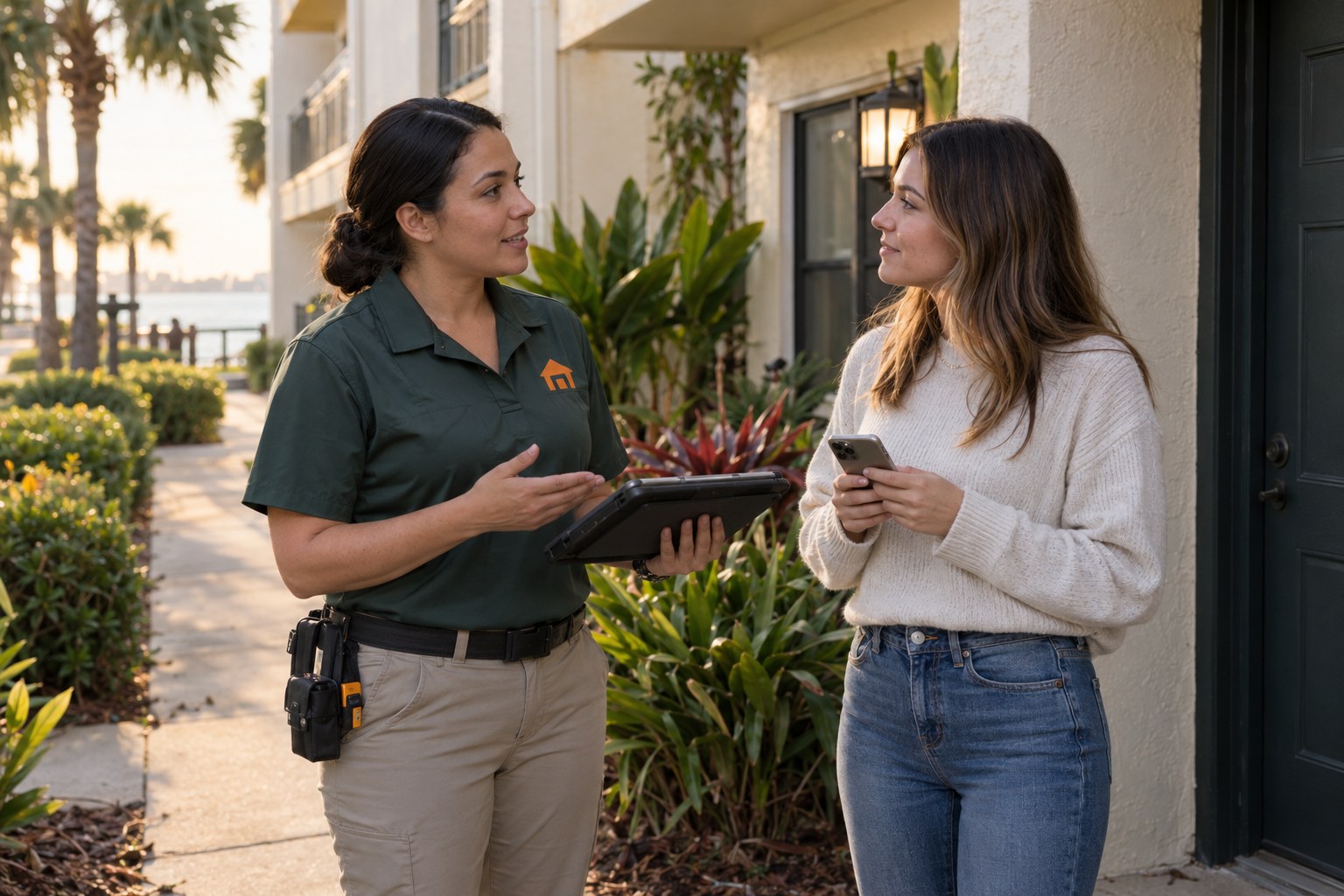
Hardware and parts
The lock itself is a major variable. Basic hardware and high-security hardware differ in material, build, and design. A keypad or smart lock involves electronics. Restricted keys require controlled blanks. Each of these influences what the parts cost.
Finishes matter too. Coastal-rated or specialty finishes may cost more than standard ones but last longer in salt air. A technician can explain whether the extra durability is worthwhile for your door.
If you already own the hardware you want installed, tell us. Installing a lock you provide is different from supplying one. Be aware that a mismatch between a purchased lock and your door can complicate the work, so check measurements first.
How evenings, weekends and urgency shape a visit
Work arranged in advance, during ordinary hours, can be scheduled flexibly. Work needed urgently, late at night, or on short notice often involves more disruption for the technician and may be priced differently. Ask when you call whether the timing affects the quote.
Call us to confirm availability. We do not promise specific arrival times, because traffic, weather, and the nature of previous jobs all affect schedules. Be wary of anyone who promises an exact arrival time without knowing your location and situation.
If your situation is not an emergency, planning the visit can give you more choice and often a calmer experience. A lock that is merely failing can often be scheduled. A lockout at midnight is harder to plan.
Location and distance
The farther a technician travels, the more time the trip consumes. Locations within the main service area are simpler to schedule than remote ones. The area around Pensacola, along the bay, the beaches, and into nearby counties, covers a range of distances.
Access can also affect the work. A gated community, a high-rise unit, or a property with limited parking may add time. Tell us about any access issues when you call.
Weather can add complexity, especially in storm season. Flooded streets, downed branches, and traffic disruptions affect travel. Be understanding if conditions change the plan.
Understanding the fee for dispatching a technician
When a job is complicated and a technician needs to see it before giving a price, a visit is arranged first. The service call charge is explained before anyone is dispatched, so you know what it covers and can decide whether to proceed.
This charge covers the technician coming to your location and assessing the situation. It is separate from the price of the repair or replacement itself. Whether it is credited toward the work is something to ask about when you call.
We cover this in more detail on a separate page. The key point here is that the charge is explained plainly beforehand, never sprung on you after the technician arrives.
When the quote changes on site
Sometimes the technician discovers something unexpected. A lock may be more damaged than it seemed, a frame may be rotted, or the hardware may differ from what was described. In such cases, the technician explains what they found and what it means for the work and the price.
You have the right to decide. Ask for the revised quote before work begins. If you are not comfortable, you can decline and ask to pay only for what was agreed in advance, such as the visit.
The best protection against surprises is accuracy at the start. Describe the situation honestly and share photographs if you can. Surprises are less common when the first conversation was thorough.
Warning signs in a pricing conversation
Be cautious if someone will not explain how the quote is formed, refuses to give any estimate over the phone, or quotes an unusually low figure to get in the door and then adds charges later. Clear, plain conversation is a good sign.
Be cautious if pressure builds: claims that the lock must be drilled and replaced when it could be picked or repaired, or insistence that you decide immediately. A good technician explains options and respects your pace.
Be cautious if the business name is vague, the vehicle unmarked, or the technician unwilling to give their name. You are entitled to know who is coming to your home.
How to compare options sensibly
If you are choosing between approaches, compare what each includes. A lower figure that leaves out key cutting or testing may not be a bargain. A higher one that includes better hardware and a careful finish might be.
Ask what is included: the visit, the labor, the parts, the keys, testing, and cleanup. Ask about follow-up if something does not work properly. Clear answers help you compare fairly.
Remember that the approach that looks smallest today may not be sensible for ten years. A lock that fails in a season has cost you more than a sturdier one that lasts. Balance short-term and long-term needs.
Why rekeying and replacing are quoted differently
Rekeying changes the internal arrangement of an existing lock so old keys stop working. The work is largely labor: removing the cylinder, replacing pins, fitting new keys, and testing. The existing hardware is reused, so there are fewer parts to account for, though new keys must be cut.
Replacing swaps the whole lock. Here, the hardware is a significant part of the quote, along with the labor to remove the old lock, check the door, install the new one, align the strike, and test. The result is a new lock, not only a new key.
Which route fits depends on the condition of the hardware and what you want to achieve. A technician can explain the difference so you can decide on facts rather than on the number alone. Sometimes rekeying is plainly enough, and sometimes replacement is the sounder choice.
Lockouts, broken keys and emergency openings
A lockout is typically handled by opening the door without damage if possible. The work depends on the lock and door. Some locks open readily, while others take more time and skill. A high-security lock or a door with a secondary latch can lengthen the job.
A broken key in the cylinder requires extraction, and then the lock is checked for damage. If the cylinder is damaged, repair or replacement may follow. Describe what happened accurately so the quote can include the likely steps.
In every case, ownership or authority is checked first. That step is part of every job and is not an extra. Have identification and proof ready, and the process will be quicker.
Vehicle key work and why it differs
Vehicle work involves different equipment and often programming. A key may need cutting, chip programming, or both. The type of key, the vehicle's system, and the situation, such as all keys lost or one spare needed, all influence the quote.
Because vehicle security systems vary, it is important to describe the vehicle accurately when you call. A technician can then tell you whether the work can be done on site and what it will involve.
Ownership is checked before opening, cutting, or programming a vehicle key. Have registration and identification ready. This protects you, since a thief with a programmed key could drive the car away.
What a fair conversation sounds like
A fair pricing conversation is plain and patient. The person on the phone asks about your situation, explains how the quote is formed, tells you what is included, and tells you what might change it. They do not pressure you or use jargon to confuse you.
They are also honest about what they do not know. If a quote needs a visit, they say so and explain the service call charge before sending anyone. If your problem is simpler than you feared, they say that too.
You should finish the call understanding what you will pay for, why, and what happens next. If you do not, ask again. A good business welcomes questions, because informed customers are happier customers.
Multiple doors, rentals and property managers
A landlord or manager with several doors often benefits from combining work. Rekeying every unit at one visit saves repeated travel, and a technician can organize tools and keys for efficiency. Tell us the number of doors and the lock types when you call, and ask how bundling affects the quote.
Standardizing hardware across a property can reduce long-term costs. A uniform keyway, matching locks, and a clear key plan mean fewer parts to stock and fewer surprises. A technician can survey the doors and suggest a plan that fits your budget and timeline, which you can spread over several visits.
For rentals, timing around tenants matters. Turnover periods are the easiest windows for work. Planning ahead lets you schedule rather than react, and helps you avoid the rush that comes when several units turn over at once. Ownership or authority is checked before work, so have documents on hand.
Storm season and seasonal demand
Demand rises before and after storms. Many households want doors and locks checked at once, and technicians are stretched. This can affect how quickly a visit can be arranged and sometimes how a job is scheduled. Call us to confirm availability, and plan early when a season approaches.
After a storm, damage is often more extensive than a simple lock repair. Frames may be warped, doors swollen, and hardware corroded by flooding. A technician may recommend a visit to assess before quoting, since a phone description may not capture the situation.
Prepare by documenting damage with photographs and noting what you can. The more precise your description, the easier it is to give a useful quote. And be patient: careful work after a storm is worth waiting for.
Planning ahead to avoid emergency decisions
Many costly situations start as small ones. A lock that sticks for months, a key that wears out, a door that rubs: all can be handled calmly if addressed early. Waiting until failure removes your choices.
Keep a spare key in a safe place, know whom to call, and have your documents ready. Preparation reduces stress and lets you make considered decisions.
Schedule maintenance and upgrades in advance, such as before storm season or between tenants. Planned work is easier to arrange than urgent work, and it avoids the pressures that make people accept the first offer.
It also helps to keep a short list of questions near the phone, so that in a stressful moment you still remember to ask what is included, whether anything could change the figure, and how the service call charge works. A written list takes the pressure off memory and gives you a steady way through the conversation, whatever the situation at your door happens to be.
Preparing a short description that leads to a more accurate phone quote
The quality of a phone quote depends on the quality of your description. Before you call, stand at the door and note the basics: is it a house, apartment or garage entry, how many locks are on the door, what brand names appear on the knob or deadbolt, and whether the key is lost, broken or simply hard to turn. Describing the finish, such as brass tone or dark bronze, helps match parts. If you can read a model number on the latch edge, share it.
Describe the situation honestly, including what you have already tried. If you sprayed oil into the lock, say so, since it affects how the technician approaches the cylinder. If you forced the door and bent the strike, mention that too. A clear account lets the person on the phone judge whether the job is routine or likely to need a visit. It also reduces the chance of a surprise on site, which is the main cause of frustration over cost.
Be ready to say where you are and who you are. Ownership or authority is confirmed before opening, rekeying or replacing, so have something ready that shows you belong at the address. Ask what the quote includes and whether anything could change it. If the job is complicated, a technician visits and the service call charge is explained before dispatch. Writing down what you were told, and the name of the person who said it, makes it easy to compare notes if the scope shifts.
What to ask when you call us
Describe the situation and ask how the quote is formed. Ask what is included and whether anything could change it. Ask about timing and how availability is confirmed.
Ask whether a technician visit is needed first, and if so, how the service call charge is explained. Expect a clear answer before anyone is dispatched.
Expect questions about ownership or authority, since we check before opening, rekeying, or programming. Have identification ready. Call us to confirm availability, and we will give you a quote by phone.
Questions people ask us
Why won't you list amounts online?
Because the right figure depends on the lock, the door, and the situation. Quotes are given by phone after you describe the job, so the number reflects your real circumstances.
Can the quote change when the technician arrives?
It can if something unexpected is found, such as extra damage. The technician explains the change and its reason before work begins, and you can decide whether to proceed.
Does the time of day affect the quote?
It can, since urgent or late work involves more disruption. Ask when you call. Call us to confirm availability; we do not promise specific arrival times.
What is a service call charge?
It is the charge for a technician to come and assess a complicated job. It is explained plainly before dispatch and is separate from the repair or replacement itself.
What should I tell you to get an accurate quote?
The lock type, door type, number of locks, what is wrong or wanted, and anything unusual. Photos help. Ownership or authority is checked before work.