
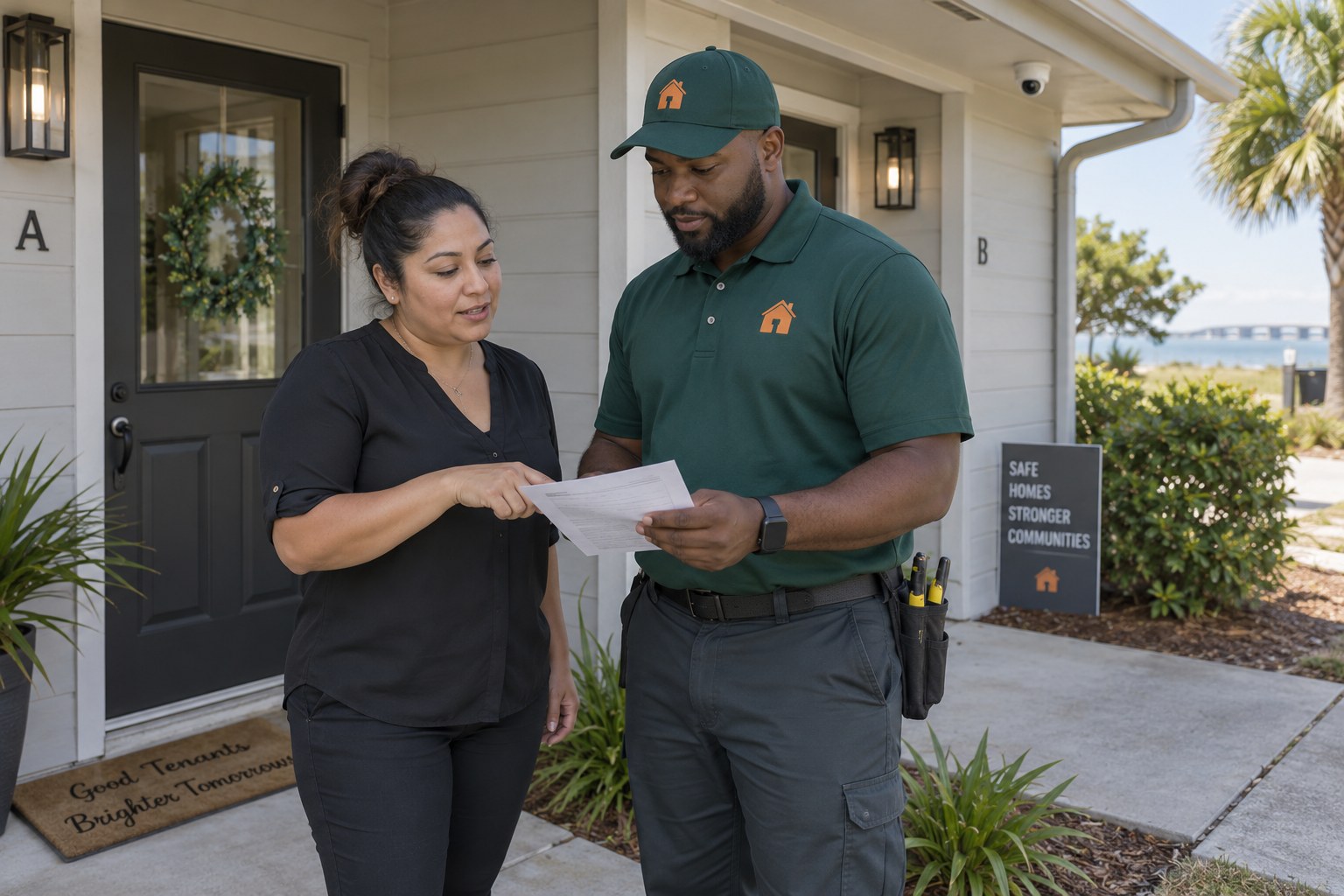
Homes built around the yard
In many suburban neighborhoods the yard is the center of family life. Children play there, grills smoke there, pets roam there. The doors that lead to it get more traffic than the front door, and the gates around it separate the family's space from the street and the neighbors.
That changes the lock priorities. A back door that opens onto a patio is used dozens of times a day and left unlatched during the afternoon. A gate in a privacy fence is opened by a delivery driver, a lawn crew, a meter reader, and then forgotten. Each of those moments is a small gap in the home's security.
A mobile locksmith looks at the whole picture, from the street to the back fence. The goal is not to lock down every inch but to make sure the entries that matter most have hardware that suits how the family really lives, and that nothing important relies on a flimsy latch.
Yard gates and fence latches
The latch on a typical wooden gate is a simple thumb latch that anyone can lift from outside by reaching over the top. A gate that is meant to contain children or pets, or to keep strangers out of the yard, needs better. Options include a latch with a keyed lock, a gravity latch set above reach, or a drop bolt on the inside.
Metal gates need appropriate hardware too. A padlock on a chain-link gate is easy to cut unless it has a protected shackle. A lock mounted on the gate frame with a shrouded body resists casual tools. The technician can recommend something that fits the gate's material and your habits.
Keypad gate locks make sense for households with many visitors. A code for a pet sitter, a lawn service and a relative can be changed whenever needed. That avoids copying keys and means you do not have to retrieve anything when someone no longer needs access.
Pool and spa gates
If your yard has a pool, the gate matters for more than security. It is a safety barrier for small children. A pool gate should close and latch by itself, and the latch should be out of a child's reach. Local rules often set requirements, and you should check them for your property.
Locks on pool gates suffer from chlorine, humidity and constant use. Cheap latches corrode and stop closing on their own, which defeats their purpose. Stainless or coated hardware designed for pool use lasts longer. A technician can install a self-closing latch and adjust the gate so it swings shut smoothly.
Test the gate regularly. Open it halfway and let go: it should close and latch without help. If it does not, adjust the hinges or the latch. A gate that sticks is likely to be propped open, and that is the risk to avoid.
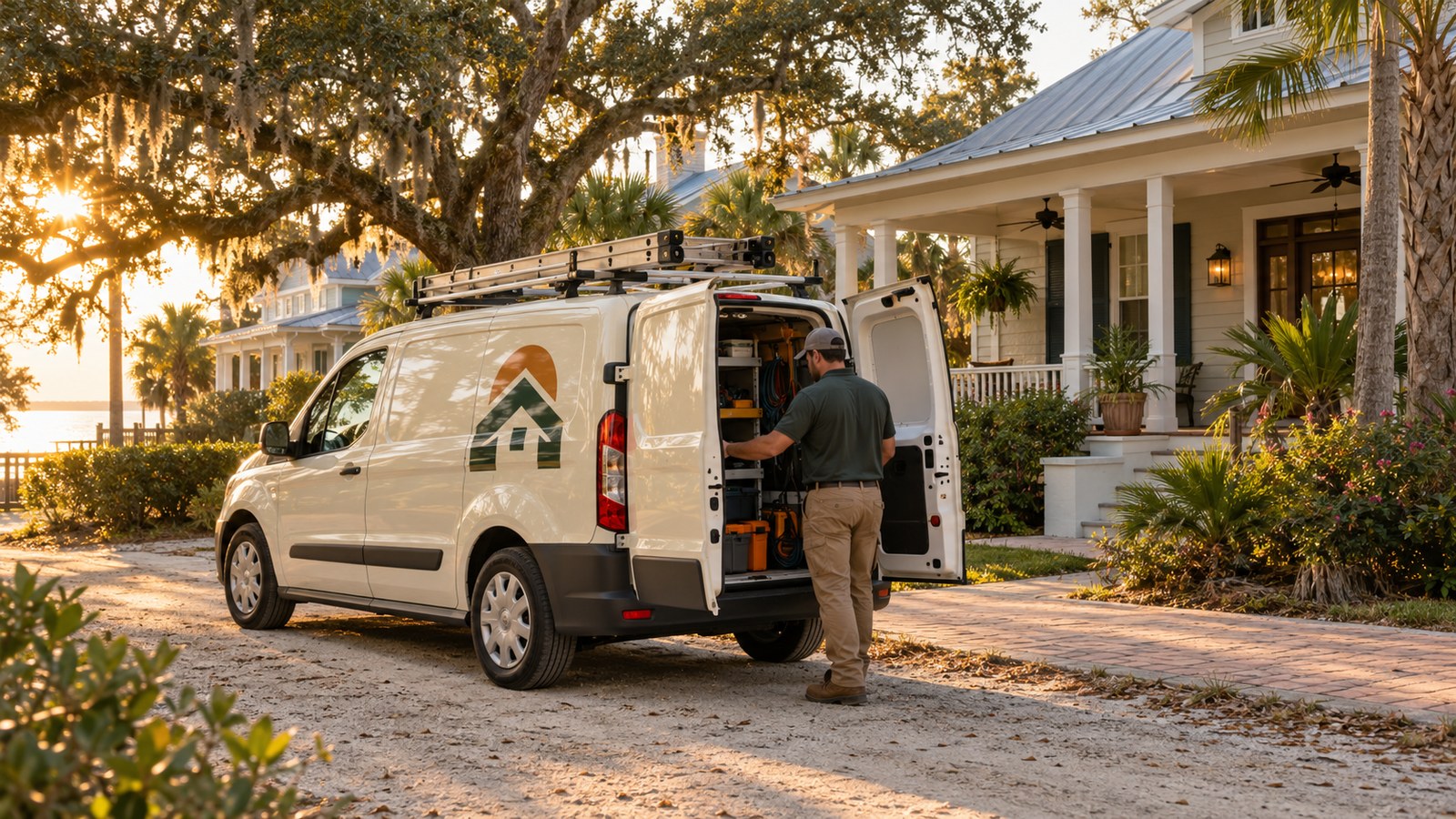
Back doors and patio entries
A back door is often glass or has a window panel, and the lock sits within reach of the glass. A thief can break the glass and reach the thumbturn. The fix is a keyed deadbolt on the inside, which can be locked with a key when the household is away or asleep.
Another approach is a door with no glass near the lock, or a security film on the glass that makes it harder to shatter. A technician can talk through the options and recommend whichever fits your door and budget of effort.
Patio sliders need a secondary lock too. A bar or pin keeps the door from being lifted off its track or forced open. Make sure the track is clean, and the door closes fully. A technician can adjust rollers and install a stronger latch.
Rekeying after a move
When a family buys a house, the first night is a good moment to feel secure. A rekey before moving in is a clean way to do that. Old keys stop working, new keys are cut, and the family starts with confidence about who holds access.
The technician rekeys the front, back and garage entry doors, and any side or shed locks you choose. You can have all doors on one key or divide them. Discuss how the household uses each door, and the technician will suggest an arrangement that keeps key rings manageable.
Ownership or authority is checked first. A closing document or deed will do. If you are a tenant, the landlord's approval is needed. This protects the property and makes sure the work goes smoothly.
Lockouts in a neighborhood setting
Lockouts in a neighborhood feel awkward, especially when neighbors see you standing outside. Call, describe the door, and say whether anyone is inside. The dispatcher will ask a few questions and tell you what is needed.
On arrival, the technician confirms that you live there or have authority. A document, ID or call to the owner will do. It is a routine step that protects every household.
Entry is attempted without damage first. Most residential locks yield to picking or bypass. If a lock is broken, the technician explains the options. Call to confirm availability, since scheduling depends on where technicians are working.
Wear from pine pollen and humid air
In neighborhoods with many trees, pollen and needles collect on doorsteps and in keyways. Combined with humid air, they form a sticky film that makes keys feel rough. Cleaning the lock face and the keyway can restore smooth action.
Use a dry lubricant, not an oil spray, because oil attracts dust. Applying it once or twice a year keeps pins moving freely. If the key still sticks, the cylinder may be worn, and a technician can check it.
Door alignment matters as well. Humidity makes wood swell, and the latch may no longer meet the strike. A small adjustment may be all that is required, so avoid replacing a lock that is not at fault.
Security doors and storm doors
Some households add a security door or a storm door to the front or back. These doors come with their own locks, and the quality varies. A well-made security door with a deadbolt adds an extra layer. A light storm door adds little protection but keeps out weather.
If you are buying one, ask about the lock, the frame and how it attaches to the house. A strong door in a weak frame can be pried away. A technician can examine existing doors and recommend repairs or upgrades.
For a security door that has become hard to lock, the cause is often alignment. Doors flex and settle, and the latch no longer lines up. Adjusting the strike restores smooth operation.
Deadbolt types and which to choose
A single-cylinder deadbolt has a key on the outside and a thumbturn on the inside. It is the most common type and suits most doors. A double-cylinder deadbolt needs a key on both sides, which can trap people in an emergency, so it is chosen rarely and with care.
Some deadbolts have a long throw, extending an inch or more into the frame. A longer throw resists prying better than a short one. Combined with a reinforced strike, it makes a door much harder to force.
A technician can explain the options and install the one that fits. Choose based on your door, your household and how you use the entry. A sound basic deadbolt installed well beats an expensive one installed poorly.
Exterior lighting, visibility and locks
Locks work best when the door is visible. A bright porch light, a motion light at the side of the house and trimmed shrubs near entries all discourage tampering. A dark, hidden door is more attractive to someone checking handles.
A locksmith does not install lights, but the technician can point out dark doors and suggest that you address them. It is part of an honest assessment of how well a door protects a home.
Walk around at night. See which doors are visible from the street and which are hidden. That simple walk shows you where to focus attention and may change your priorities.
Rental houses in the neighborhood
Some Pine Forest homes are rented. For a landlord, a rekey between tenants is a basic precaution. For a tenant, it is reasonable to ask whether the locks have been changed since the last occupant left.
A technician can handle the rekey and label keys by door. If the landlord has a property manager, the manager can authorize the work. The technician confirms authority first.
Tenants who want to add a lock, such as a deadbolt or a viewer, should ask for permission first. Many landlords agree when the change improves security and does not harm the door.
Storm preparation for doors and gates
Before a storm, check gates, latches and doors. A gate that blows open can be damaged or can let pets escape. Secure it with a stronger latch if needed.
After a storm, look for sticking doors and shifted frames. Do not force a stiff lock. Call and describe the symptoms, and the technician will advise.
If gates or doors were damaged, a locksmith can repair latches and replace broken hardware. Bring proof of residence, because ownership is checked before work.
Booking a visit
Call us and describe the job. Tell us which doors and gates are involved and what the problem is. We confirm availability by phone and give a quote for routine work during the call.
If a problem seems too involved to settle over the phone, a technician makes a first stop to look at the hardware directly. The charge for that stop is described before dispatch so there are no surprises. Should further repairs appear necessary once the door is open, they are explained to you in person and started only with your consent.
Have proof of residence or authority ready, along with any keys. The technician checks ownership or authority first, completes the work, tests it with you and explains what was done.
Finishes that stand up to Gulf Coast weather
Lock finishes are not only about appearance. A thin plated surface on a deadbolt faceplate may look fine in a store and begin to pit within a couple of summers of humid, salty air. Solid brass, stainless steel and quality coatings last longer, and the difference shows up in how the lock looks and feels after a few years.
Matching finishes across the house is a matter of taste, and a technician can help you pick compatible styles for the front door, garage entry and back door. Consistency looks tidy from the street. Practical durability matters more on the doors that face weather, while interior doors can use lighter finishes.
If you already have worn finishes you like, ask about refinishing or replacing only the exterior faces. Sometimes the lock body is fine and a new trim plate restores the appearance. Honest advice includes telling you when a refresh is enough and when the lock has reached the end of its useful life.
Spare keys: copying carefully
Key copying looks simple, but quality varies. A copy cut on a worn machine from a worn key produces a worse key, and a copy of that copy is worse still. Over time, the household ends up with keys that work only with jiggling, and the lock starts wearing faster.
The best practice is to copy from an original or from a key cut directly from the lock. A locksmith can do either. For a rekeyed lock, the technician cuts fresh keys from the new pattern, so every key starts from a clean master.
Restricted keyways add another layer for those who want one. Keys for these systems cannot be duplicated at a typical copy counter. That keeps control with you and reduces the chance of unauthorized copies being made. Ask the technician whether your locks can accept such a system.
Small repairs worth doing before they fail
Many lock failures announce themselves weeks ahead. A handle that droops, a thumbturn that feels loose, a latch that clicks but does not retract fully, a door that must be lifted to lock. Each of these indicates a part that is worn, a screw that has loosened, or a door that has shifted slightly.
Fixing these early is usually quick. Tightening a loose mounting, replacing a spring, resetting a strike or adjusting a hinge takes minutes. Left alone, they get worse and can leave you unable to lock the door or, worse, unable to open it from the inside.
A short list of small repairs gathered over a few weeks makes a good reason to call for a single visit. Tell the dispatcher everything you have noticed, and the technician can plan the parts and time. It is calmer and more economical than waiting for the one that fails at night.
Details to give the dispatcher for a Pine Forest job
In a neighborhood of single-family houses, the space beside the home often holds more value than people notice. A carport may store a lawn mower, a bicycle, a freezer and boxes of tools. A detached workshop might hold power equipment that costs far more than the lock on its door. Look at these spaces with fresh eyes and ask what happens if someone walks in. A modest door with a surface bolt and a cheap padlock is not much of a barrier, and it is often the easiest place to improve.
A sturdier approach involves a proper deadbolt in a solid door, a reinforced strike plate and hinges with non-removable pins on the outside. For sheds with a hasp, consider a hasp with hidden fasteners and a padlock with a shrouded shackle that resists cutting. A technician can look at your outbuilding and suggest what makes sense without overbuilding it. Not every shed needs the same security as the front door, and the answer depends on what lives inside.
Keying matters as well. If you have a ring with a dozen different keys, consider keying the shed, the gate and the back door alike so that a single key does most of the work. A keyed-alike system saves time and reduces lost-key problems, though it does mean that one lost key affects several locks. Weigh that against convenience, and choose a plan that matches your household. Talking it through before work begins keeps the result easy to live with.
Details that help us route your request
A good phone call saves time at the door. Start with the address area and the type of job: lockout, rekey, repair, new lock or gate. Then describe the door: front, back, garage entry, gate or shed. If you know the make of the lock, say so, and if you do not, describe its look and where the key goes.
Mention anything unusual. A key broken off in the lock, a door that has been kicked, a frame that has cracked, a lock that was recently replaced by someone else. Mention if there are children, pets or medical needs involved. These details change how the technician prepares and how quickly the situation needs handling.
Finally, ask your own questions. What proof will be needed? How is the quote worked out? What happens if the job turns out to be larger than described? A clear conversation before the visit leaves fewer surprises at the door, and it helps you decide whether this is the right service for you.
Questions people ask us
Can you install a self-closing latch on a pool gate?
Yes, a technician can fit a self-closing, self-latching gate hardware and adjust the gate so it swings shut reliably. Local rules may set requirements for pool barriers, so check them for your property. Stainless or coated hardware lasts longer near chlorine and humidity.
My back door has glass next to the lock. What should I do?
Add a keyed deadbolt on the inside so a broken pane does not give access to the thumbturn, or consider security film on the glass. A technician can look at the door and suggest what suits it.
Can a keypad lock be used on a yard gate?
Yes. Several models are made for gates and outdoor weather. Codes can be issued to a lawn service or pet sitter and removed later. The technician checks the gate alignment so the latch engages every time.
Why does my key feel rough in spring?
Pine pollen and humid air can leave a sticky film in the keyway. Cleaning and a dry lubricant often fix it. If it persists, the cylinder may be worn and the technician can check it.
How do I know what a visit will cost?
Call us and describe the work. Routine jobs are quoted by phone. If a technician must look first, the service call charge is explained before dispatch. Added work is agreed at the door. Call to confirm availability.