
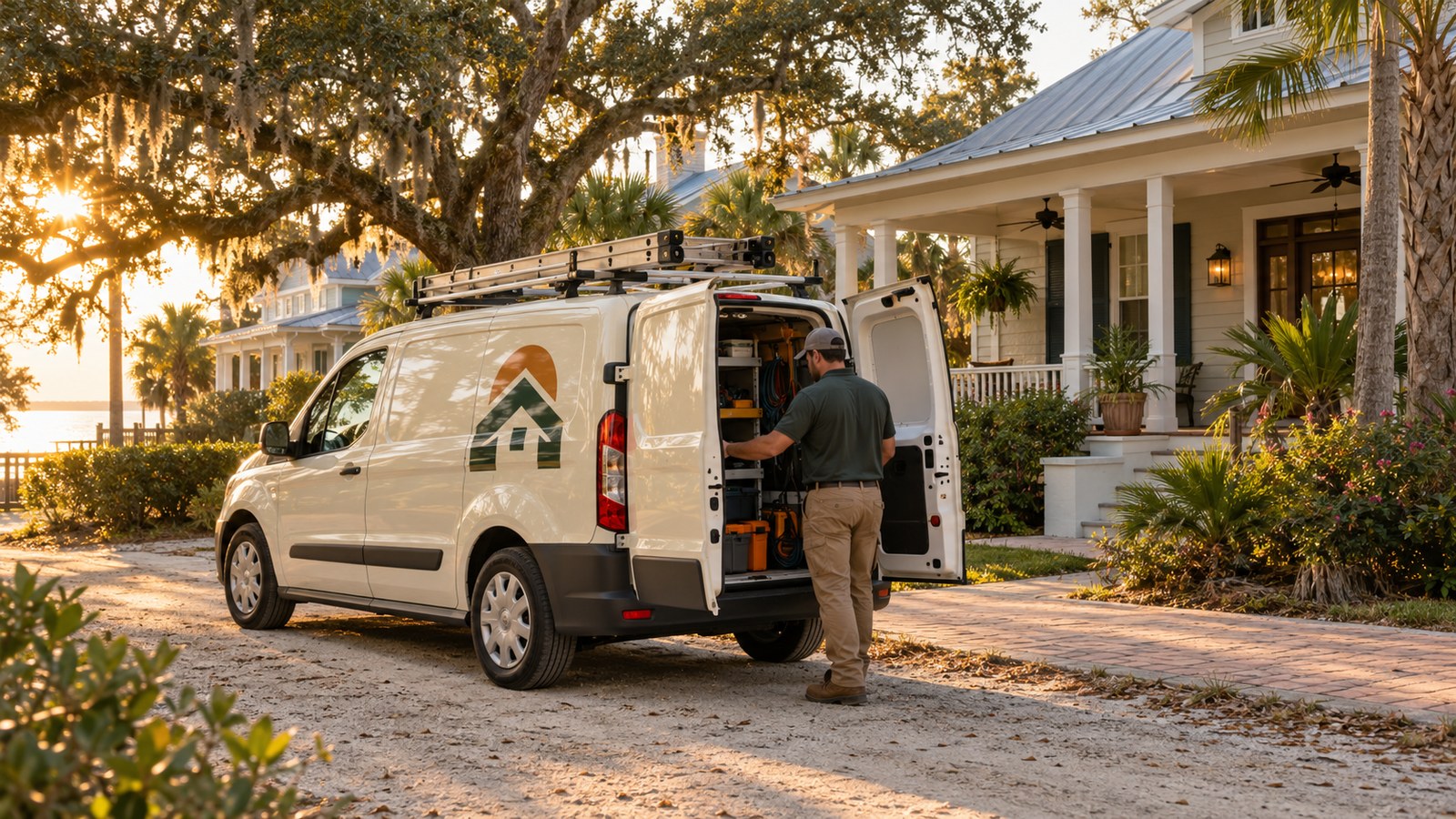
Family life and the key problem
In a household with children, keys do not stay where they are supposed to. They end up in school bags, borrowed for a sleepover, dropped in a parking lot, or hidden in places only a ten-year-old thinks are clever. Over a few years a family may have many keys floating around, and nobody can say with certainty where each one is.
The problem is not only the lost key itself. It is the uncertainty. A key lost at a ballfield or a friend's house could be found by anyone, and there is no label on it saying where it belongs. Most families are comfortable until a key disappears in a way that raises doubt, and then they want a clean reset.
A rekey provides that reset without disturbing the hardware on the door. The cylinder is re-pinned so lost keys no longer work, and new keys are cut for everyone who needs one. The whole job takes little time, and it replaces worry with a clear count of who has access.
Teaching children and teens about keys
A locksmith sees the other side of this too. Teenagers get their first house key and sometimes lose it within weeks. A habit that helps is a small tag with no address on it, and a dedicated pocket or hook for the key. Never label a key with the street number of the home.
For younger children, a keypad or smart lock removes the burden of carrying a key. A code is easier to remember than a key is to keep, and the parent can change it any time. That fits well for families where children arrive home before adults.
Whatever the method, a technician can set up the lock so that a lost key or a forgotten code is a small event rather than a crisis. Discuss the household schedule at the visit, and the technician can suggest a setup that matches how the family actually lives.
Lost keys and how replacement really works
When a key is lost, people ask for a duplicate, but a duplicate needs an existing key. Without one, a locksmith has to work from the lock itself. For many residential cylinders, the technician can read the lock, create a working key, or rekey the cylinder to a new key pattern entirely.
Rekeying is usually the better answer when the lost key's whereabouts are unknown. A new key made from the old lock would still leave the lost one working. Re-pinning the cylinder retires the lost key permanently while giving you a fresh one.
The technician confirms that you own or control the home before cutting or changing anything. This is not an obstacle but a basic safeguard, since the same service that helps you could help a stranger if they were able to claim your address.
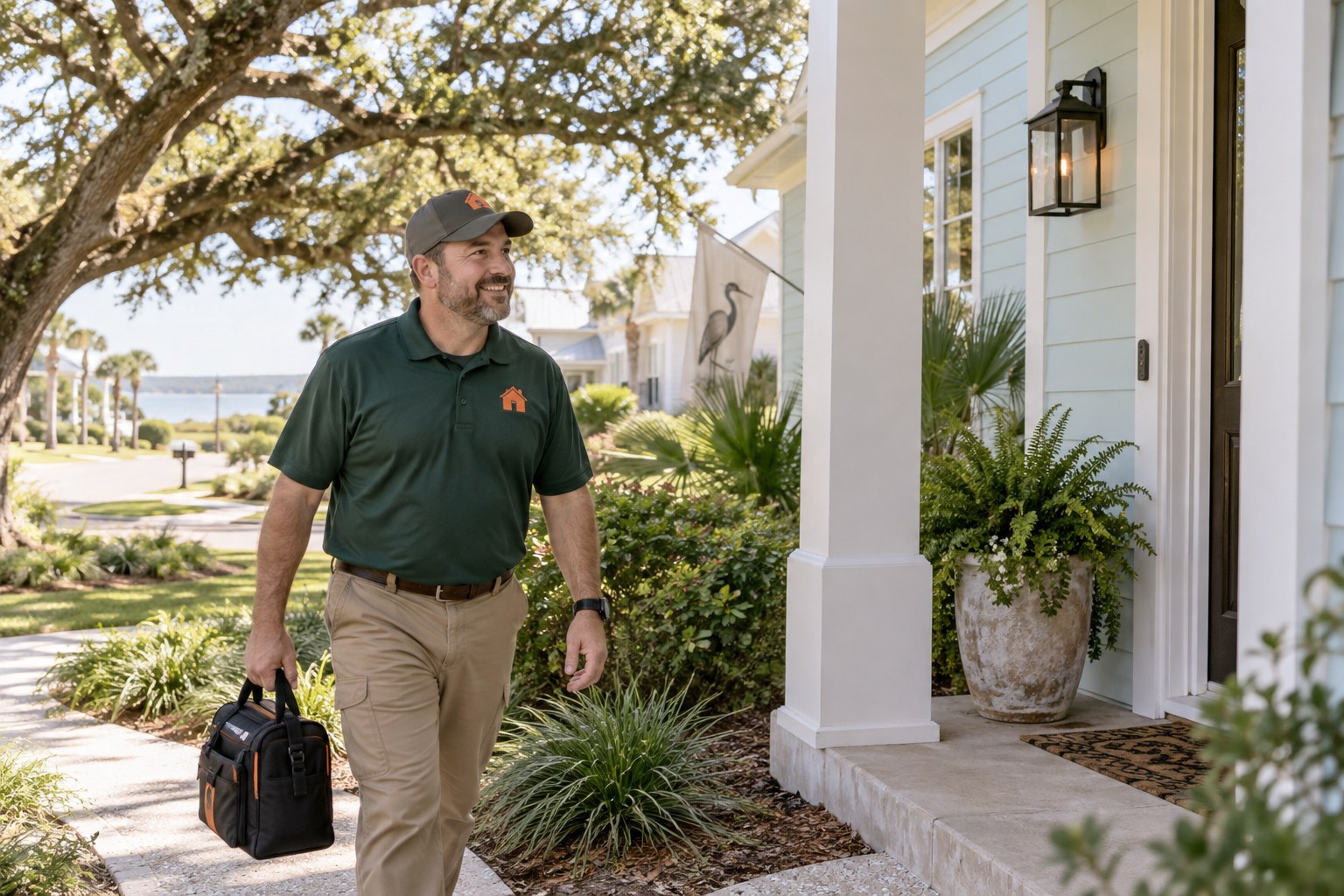
The garage entry and the unlocked side door
In many family homes, the real front door is the one that opens from the garage. It is used constantly, often left unlocked during the day, and sometimes fitted with a knob that has not been replaced since the house was built. A thief checking for opportunity often starts there.
Adding a deadbolt and a reinforced strike makes this door meaningfully stronger. The technician also checks the door itself. A hollow door with a loose frame can be forced regardless of the lock, so sometimes the better answer includes a stronger door or a frame reinforcement.
A keypad deadbolt on the garage entry suits families, because anyone who comes in with their hands full can use a code. It is convenient and secure at the same time. The technician can match the lock to the door and test it so it latches every time.
Home from school, locked out of the house
A child standing at the door with no key is one of the most common lockout calls. If a parent is not home, the technician cannot open the door for the child alone, because ownership or authority must be confirmed. A phone call from the owner, along with proof of the address on arrival of an adult, usually resolves it.
This is why many families keep a plan: a trusted neighbor with a key, a keypad code the child knows, or a lockbox with a code. Each has tradeoffs. A neighbor must be reliable, a code must be kept private, and a lockbox must be mounted where it is not obvious.
If you call about a lockout, mention who is involved and where they are. The technician will tell you what is needed to proceed and will work to resolve it with minimal disruption. Call to confirm availability, as scheduling varies.
Deadbolts, knobs and levers: choosing the right hardware
Families sometimes ask whether to choose knobs or levers on interior and exterior doors. Levers are easier for small hands, older relatives and anyone carrying groceries. Knobs are more traditional and cost less in many cases, but they can be harder for people with limited grip strength.
Deadbolts add security that a knob alone cannot provide. A bolt that extends an inch or more into the frame resists force far better than a spring latch. The best arrangement is usually a lever or knob for daily use and a deadbolt for locking up at night.
Quality varies a lot between products. A technician can show you the differences you can feel: weight, solidity, how the bolt moves. Hardware does not have to be expensive to be dependable, but it should be sturdy enough to last through years of daily use.
Sticking doors in damp weather
The Gulf Coast climate makes wood doors swell in wet months and shrink in dry ones. A door that latches easily in January may stick in July. The lock gets blamed, but the problem is often alignment, with the latch no longer meeting the strike hole as it should.
A technician can adjust the strike plate, deepen the mortise slightly, or reposition the strike so the bolt slides smoothly. These small corrections often restore the door without replacing anything. Planing the door edge may be a carpenter's job, and an honest technician will tell you when that is the case.
Do not force a door that sticks. Pulling or slamming strains the hinges and can crack a frame. Try lifting the handle slightly while turning the key, and if that works, the door is out of line and needs adjustment, not a new lock.
Keypad and smart deadbolts for busy households
A busy home may have a dog walker, a house cleaner, a relative who checks in, and teenagers who come home at different hours. Giving each a physical key creates a long list of duplicates. A keypad lock gives each person their own code, and codes can be removed without chasing anyone for a key.
Installation depends on the door. A technician checks thickness, bore hole size, and alignment, and may need to enlarge or fill holes in older doors. A properly installed lock operates smoothly and the bolt extends with a firm, confident throw.
Ask about battery life and what happens when batteries run low. Most locks give a warning, and many offer an external contact for an emergency battery. A mechanical key backup is still wise, and the technician can show you where it fits.
Window locks and secondary protection
Doors get most of the attention, but windows matter too. Older latches on sash windows can be weak, and a pry tool easily defeats them. A pin or a keyed latch added to the window frame is inexpensive and effective, especially for ground-floor bedrooms and bathrooms.
Sliding doors deserve the same scrutiny. A bar in the track or a pin through the frame prevents lifting and sliding. If your slider does not roll smoothly, clean the track and check the rollers. A door that does not close fully is not locked, whatever the handle says.
These are small, practical changes. A technician can look at the whole house during a visit and suggest only what is worth doing, rather than trying to sell everything. Prioritize the entries a person could reach without being seen.
Storm season routines
Families in the area develop a storm routine, and doors are part of it. Before a storm, confirm that every exterior door latches firmly, that deadbolts extend fully, and that the garage entry closes tightly. Test windows too, because a loose latch flexes in strong wind.
After a storm, check for doors that stick or latches that no longer line up. If a key suddenly feels hard to turn, there may be debris or moisture in the lock, or the door may have shifted. Avoid forcing it, and call for help if it does not resolve.
If keys were shared with relatives or neighbors during an evacuation, a rekey afterward restores control. It is a small step that gives peace of mind, and it is easy to schedule once things settle.
Renters in Bellview homes and apartments
Renters have rights and responsibilities about locks. In general, a tenant should not change locks without the landlord's agreement, and a landlord should provide secure locks and rekey between tenants. If you feel unsafe because of unknown keys, ask the landlord or manager for a rekey.
A locksmith can work with either party. When a landlord authorizes, the technician rekeys and provides keys. When a tenant asks, the technician will want written or verbal confirmation from the landlord before proceeding, to avoid lease disputes.
If you are a landlord with several units, scheduling several rekeys in one visit saves time. Provide a list of addresses and the number of keys needed, and the technician can plan the visit accordingly.
Arranging service and what to expect
To arrange service, call us and describe your situation. Tell us the type of lock if you know it, the door involved, and whether anyone is currently locked out. We confirm availability by phone and give a quote for routine work during the call.
For jobs that need a look, a technician visits and the service call charge is explained before dispatch. Anything added on site is discussed and agreed with you before work starts, so you remain in control throughout.
Have proof of residence or authority ready, along with any keys and notes about the lock. The technician checks ownership or authority first, then works carefully, tests the result with you, and explains what was done.
Move-in day: the first thing to do in a new house
Most families put locks near the bottom of the moving list, behind boxes, utilities and school forms. It is worth moving them up. Until the cylinders are rekeyed, you do not know who else holds a key: the previous owners, their relatives, a realtor lockbox code, a contractor, a neighbor who fed the cat. That is simply how houses change hands, and it is nobody's fault.
A rekey on move-in day, or soon after, closes that gap in one short visit. The technician rekeys the front, back and garage entry doors and cuts keys for each adult. If you also want the sheds, gates and any side doors on the same key, say so, and the technician will plan the pin arrangement accordingly.
While the technician is at the house, ask for a general look at the hardware. Previous owners may have left a cheap knob on a door that needs a deadbolt, or a strike plate held by short screws. Fixing the weak points together with the rekey means you start in the new home with a coherent setup.
When to replace rather than repair
Some locks are worth saving and some are not. A well-made deadbolt with a smooth action and no wobble can be cleaned, rekeyed and used for many more years. A knob set that spins loosely, a bolt that does not fully extend, and a body that is cracked or bent is better replaced. The technician will say plainly which category yours falls into.
One useful test is how the lock feels in your hand. A solid lock has weight, moves with a firm, even resistance, and clicks into place. A worn one feels loose and gritty. If the technician has to hold your door steady to keep the lock working, the problem may be the door or frame, and replacing the lock alone will not fix it.
When replacement is the answer, you can choose the hardware. Basic grades are sold in every hardware aisle, and heavier grades are available through a locksmith. For a door that is used heavily by a family, the heavier grade is often the better choice, because it tolerates daily slamming and rough handling far longer.
Where a Bellview spare key belongs, and where it never should go
Everyone needs a spare key somewhere, and the usual hiding places are the worst ones. Under the mat, inside a fake rock, on top of the door frame, in the planter by the steps: anyone who has watched a house for a few minutes knows to look in those places first. A hidden key that can be found by a stranger is effectively a key left in the door.
Better options exist. A trusted neighbor or relative who lives nearby can hold a spare, and you can change the code or rekey the lock if that relationship changes. A lockbox with a code, mounted somewhere not visible from the street, is another route, though the code should be changed occasionally. A keypad lock removes the issue by allowing codes instead of copies.
Whichever you choose, keep a record of who holds what. A short note in your phone listing each person with a key or code makes it easy to decide later whether a rekey is needed. Ask the technician for extra keys at the visit, so you are not tempted to make poor-quality copies elsewhere.
Questions people ask us
My child lost a house key. Do I need to rekey?
If the key could be found by a stranger, rekeying is the safer choice. A technician re-pins the lock so the lost key stops working and cuts new keys for the family. If the key was lost at home and is likely to turn up, you may choose to wait.
Can you open my door if a child is locked out and I am not home?
The technician must confirm ownership or authority before opening. That usually means speaking with the owner by phone and verifying the address on site. Call us and explain, and we will tell you what is needed to proceed safely.
Are levers better than knobs?
Levers are easier to operate with a full hand or limited grip, which helps children and older family members. Knobs are fine for many people. Security comes mainly from the deadbolt, not the handle style, so choose what suits your household.
Should I add a deadbolt to my garage entry door?
Usually yes. That door is often weaker than the front and used constantly. A deadbolt with a reinforced strike makes it much harder to force. The technician also checks the door and frame, since a weak door can fail even with a strong lock.
How do I know what a job will involve?
Call us and describe the problem. Routine work is quoted by phone. If a technician needs to look first, the service call charge is explained before dispatch and any added work is agreed at the door. Call to confirm availability.