
Growth, new streets and first-time owners
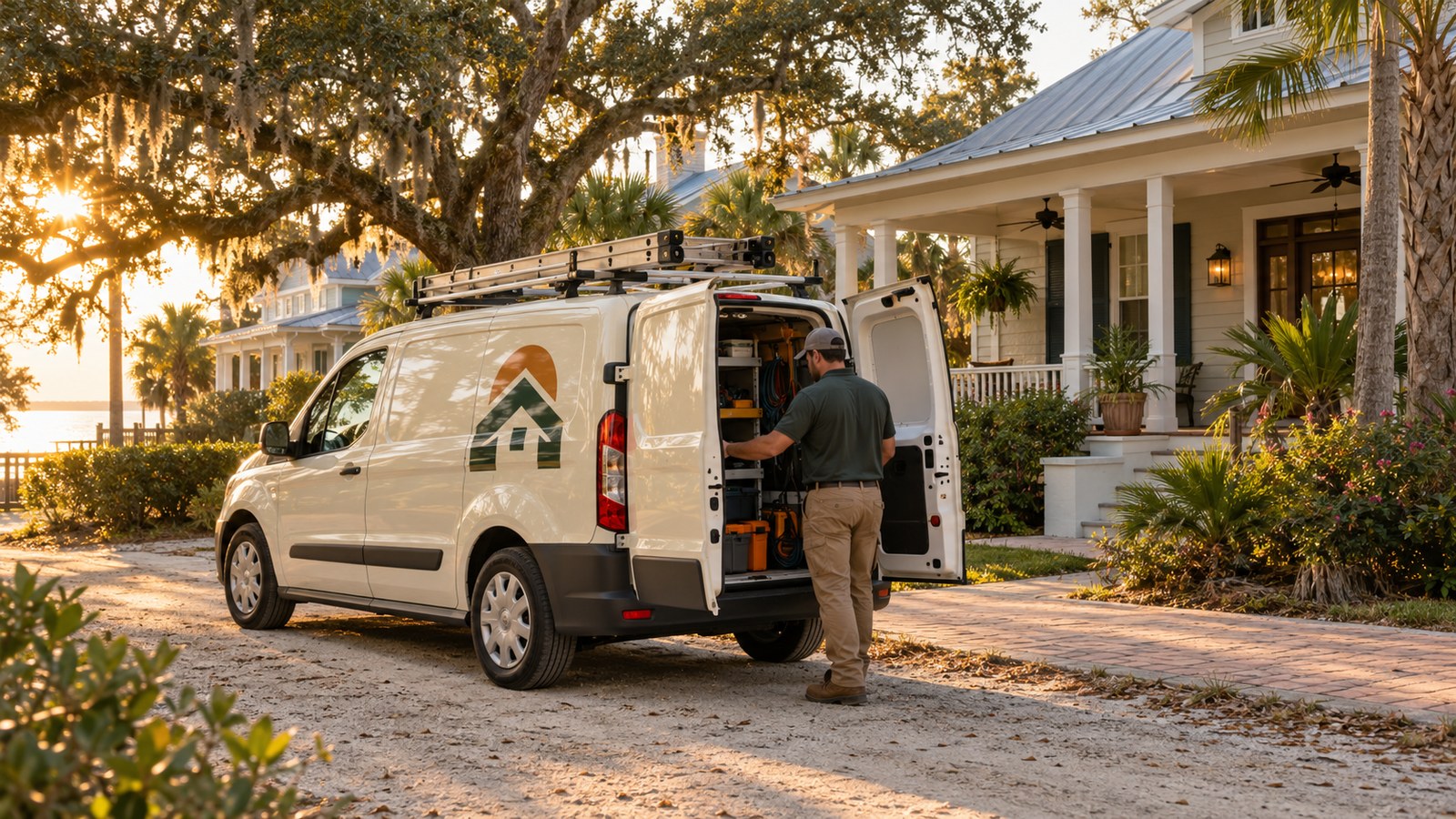
Parts of Pace have changed quickly, with new streets, new schools and new homes appearing on what used to be open land. Many residents are first-time owners or have moved from another state, and they are still learning the area. A house is a big purchase, and the details of security are easy to overlook in the excitement of moving in.
New homes tend to look secure and often are, but they carry a particular history. The builder, subcontractors, inspectors, a sales team and a few buyers may have walked through with keys or lockbox codes. Even after closing, it is hard for the new owner to say with certainty who might still hold a copy.
A mobile locksmith helps by bringing a simple, clear solution to the door. A rekey takes little time, requires no new hardware and turns an uncertain situation into a known one. For many new owners it is one of the first things they do after receiving the keys, and one of the easiest.
Builder keys, construction codes and how to reset them
During construction, builders use temporary lock arrangements. Some use construction cores that are replaced at closing, and some use a master pattern across many houses in the same development. After handover, the buyer receives final keys, but the question remains whether the earlier patterns still work on the same cylinders.
A rekey ends the question. The technician replaces the pins in each cylinder so only the new keys work. All previous keys, from the builder, the sales office and any trade, no longer open the lock. The process is the same for every door and takes only a short time.
Do not forget codes. The garage door opener, the alarm panel and any smart device may have default codes from the factory or builder. Change them at the same time. The technician can handle the locks and point out the other items for you to reset yourself.
The garage entry in a modern floor plan
In many modern houses the garage is the main entrance. Family members drive in, close the overhead door and walk straight into the kitchen or laundry. The front door may stay locked for weeks. That makes the garage entry door one of the most important locks in the house.
Builders often install a basic knob lock and a light door on this entry. A deadbolt with a reinforced strike and a solid core makes a significant difference. The technician also checks the door's fit in its frame, since a door that does not close squarely will not latch properly.
A keypad deadbolt suits this door well, because anyone arriving with their hands full can enter a code. Families enjoy not searching for keys with bags and children. Choose a model that suits your climate and check the battery plan before relying on it.
Moving from a key to a keypad
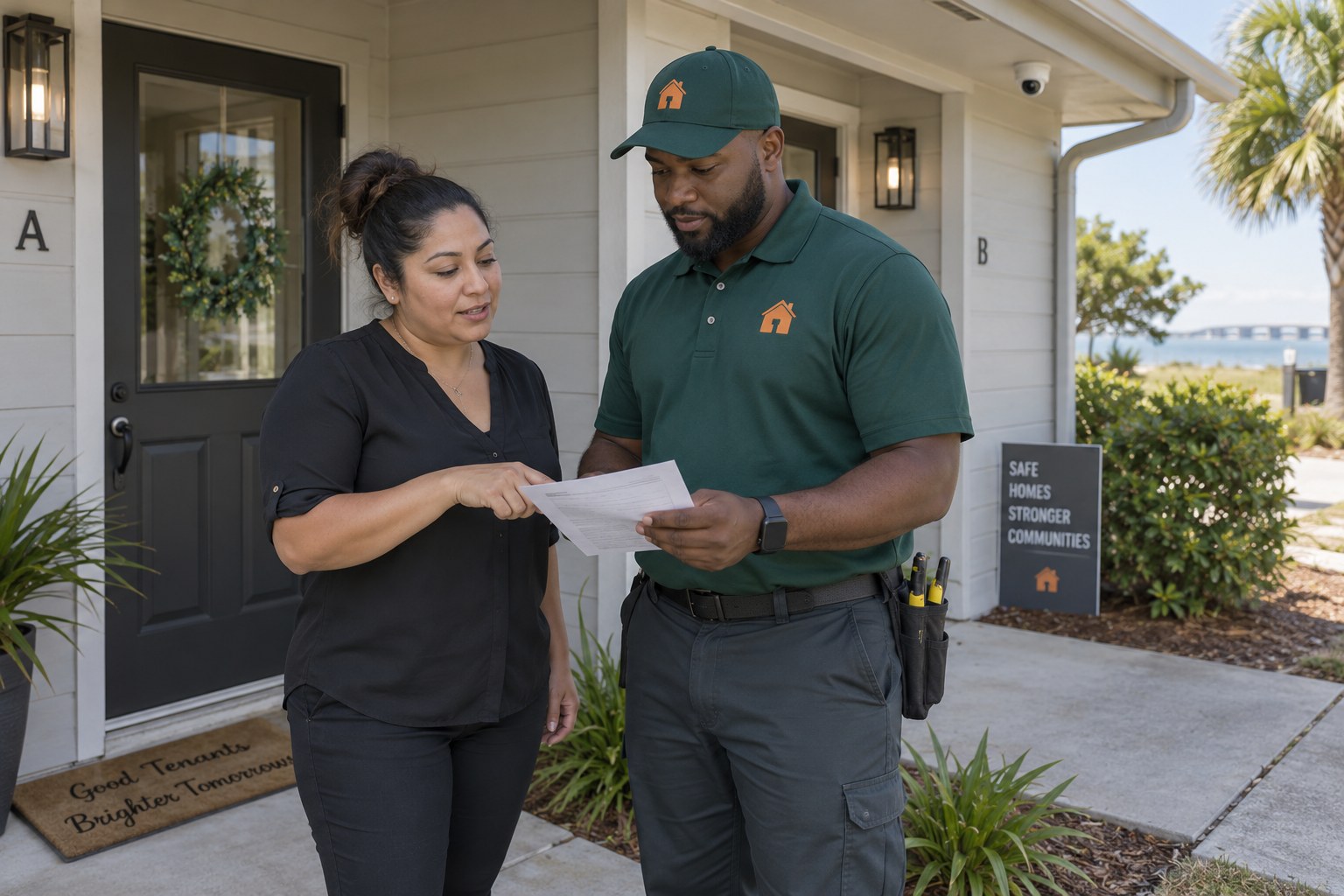
Many Pace households want to switch to keypad or smart locks. The reasons vary: a busy family, a rental room, a caregiver who visits, a teenager who loses keys. Whatever the reason, the technician starts with the door.
Measure the door thickness, the bore size and the backset. Check the alignment of the bolt and strike. A new electronic lock is only as good as the fit. A bolt that drags will strain the motor and shorten battery life.
Plan your approach to codes as well. Decide who gets a permanent code, who gets a temporary one, and how you will keep a record. Set up the lock with the technician and test it from outside with the door closed. Keep a mechanical key as backup.
Wiring, Wi-Fi and what smart locks actually need
Smart locks come in several types. Some are simple keypads with no connection, some use Bluetooth to talk to your phone, and some use Wi-Fi or a hub to allow remote control. The more connected the lock, the more it depends on your network and your phone.
For many households, a plain keypad is enough, and it avoids the risk of a router failure locking anyone out. Connected features add convenience, such as unlocking from afar or receiving notifications. Weigh whether you will really use them before paying for them.
The technician can recommend models and install them, but network setup is usually done by the homeowner. Plan some time to connect the lock to your phone and learn the features. Ask the technician to demonstrate the basic functions before leaving.
Lockouts in a growing area
A lockout in a new subdivision can be confusing because the streets look alike and some addresses are hard to find. When you call, give the full address, the nearest cross street and a landmark if you can. Mention any gates or access codes.
The technician confirms that you live there or have authority. A document, ID or call to the owner will do. This basic check protects the home, and it applies to everyone.
Picking and bypass come first. Most residential locks open without damage. If a lock is broken or jammed, the technician explains the next step. Call to confirm availability, since scheduling depends on where technicians are working.
Older homes and rural lots around the edge of town
Pace is not all new. Older homes and rural lots lie at the edges, often with outbuildings, gates and workshops. Their locks differ from those in a new subdivision, and they need a different approach.
For outbuildings, a heavy hasp, a protected padlock and a sturdy door make the difference. For gates, a shrouded lock and a well-hung latch. For older houses, a modern deadbolt added discreetly can raise the security without changing the character.
A technician can walk the property and suggest what makes sense. Larger lots mean more doors, but the principle is the same: look at each entry, decide what it protects and choose accordingly.
Humidity, heat and builder-grade hardware
Builder-grade hardware is made to a price. It may look fine at closing and show wear within a few years in the Gulf Coast climate. Finishes dull, latches weaken and cylinders stiffen in humid air.
Replacing exterior locks with sturdier models is a common upgrade for owners who plan to stay. A technician can show you the differences in weight, finish and feel. Choose according to how the door is used.
Clean and lubricate locks with a dry product once or twice a year. Avoid oil sprays in the keyway. Check that doors close squarely, since humidity can swell frames and strain latches.
Sliding doors and the back of the house
The back of a new house often has a sliding glass door to a patio. The factory latch is minimal, and the door may not close fully if the track is dirty. A secondary lock is a sensible addition.
Options include a bar in the track, a pin through the frame or a keyed latch. The technician can install what suits your door. Clean the track and check the rollers so the door glides.
Consider the lock height if you have small children. A high latch keeps toddlers in and adults can reach it easily. Pets may also push on a slider, so a firm latch is useful.
Renting out part of your home
Some Pace owners rent a room or a garage apartment. The locks then need a plan. A tenant needs a key to their own entrance, and the owner keeps control of the rest. Separate key groups make that easy.
The technician can rekey exterior doors between tenants and install a privacy lock on a bedroom. Interior locks give privacy but are not meant to resist force.
Keep agreements in writing and understand local requirements. The locksmith confirms your authority as owner or manager before working.
Storm season and settling new homes
New homes settle in their first years, and doors can shift slightly as the building adjusts. A strike that fit well may now be off by a few millimeters. Watch for doors that begin to stick or latch poorly.
Before storms, check that each door seats firmly. After storms, look for doors that drag or locks that feel different. Do not force a stiff lock; call and describe it.
If many people had access during evacuation or cleanup, consider a rekey. Ownership is checked before work, so keep proof available.
Booking a visit in Pace
Call us and describe the job. Mention the type of home, the doors involved and the problem. We confirm availability by phone and give a quote for routine work during the call.
Where the cause of a lock problem is hard to pin down remotely, a technician first inspects the door in person. You are told what the trip charge covers before it is scheduled. If the inspection shows that more repair is needed, the technician explains it face to face and waits for your agreement before starting any of it.
Set out a document that ties you to the home, such as a lease or utility bill, and collect any keys that still fit. The technician reviews that paperwork before opening or changing anything. After the repair, you try the lock yourself with the technician standing by, so any stiffness or misalignment is caught before the visit is over.
Move-in checklist for locks and codes
On the first day in a new house, walk through a short checklist before the furniture goes in. Count the exterior doors, including the garage entry, any side door and the sliding door. Test each key in each lock, from outside and inside. Make a note of any lock that is stiff, any strike that looks loose and any door that does not close squarely.
Then deal with the codes. Change the garage keypad code, set a new alarm code if the house has an alarm, and reset any smart device that came with the home. Remove or change anything the previous owner or builder set. These changes cost nothing, and they remove access that you did not choose to give.
Finally, book the rekey. If you do it before the movers arrive, the house is secure from the first night. If you do it a week later, nothing terrible happens, but it is worth doing soon. Have your closing document ready, because the technician will check ownership before beginning, and write down how many keys you want for each member of the household.
Homeowner association rules and approved hardware
Many newer subdivisions have an association with rules about the appearance of the home. Front door color, hardware finish and visible changes may be regulated. Before ordering a new lock for the front door, find out whether approval is needed and what finishes are allowed.
A locksmith can work within those rules. The technician can match the finish to the existing hardware, install a lock that looks like the original, and keep the change discreet. A rekey is invisible from the street and rarely needs approval, though it is wise to check if you are unsure.
If an association keeps a key for emergencies, ask whether a rekey affects that arrangement. Some communities require that the association have access in an emergency. Plan for that so that the change does not cause a dispute later. A short email to the manager usually settles the question.
School schedules, after-school routines and key habits
Families in growing suburbs run on tight schedules: school drop-off, work, activities, dinner. Keys are carried by people who are tired and in a hurry, and lockouts are a daily possibility. A little structure helps.
Give each child a way in that suits their age. A younger child may do better with a code they can remember than a key they might lose. An older teen can carry a key with a tag that does not show the address. Agree on a spare plan, such as a neighbor or a lockbox, and teach everyone how it works.
When a child loses a key, act promptly rather than waiting. A rekey is the clean answer, and it takes little time. Keep the lesson light: losing a key is common and easily fixed. What matters is that the family has a calm way to respond.
Fencing, pool areas and backyard gates in new yards
New subdivisions often come with fenced backyards, and many owners add pools, play sets and patios soon after moving in. The gate between the side yard and the back is the barrier between the street and the family's private space, and its latch is typically a light thumb latch fitted by the fence installer.
That latch can usually be lifted from outside by reaching over the top. A keyed gate lock, a gravity latch placed above reach or a drop bolt inside makes casual entry much harder. If there is a pool, the gate also serves as a safety barrier for small children, so a self-closing, self-latching mechanism matters.
A technician can fit a suitable lock to wood, vinyl or metal gates and adjust the hinges so the gate closes fully each time. Gates sag as posts settle in new soil, and the latch then misses its catch. A quick adjustment now prevents a lot of trouble later, and it is a good job to bundle with a rekey.
Adjusting a newly built door that is settling into its frame
New houses move. Framing lumber dries, the slab settles, and doors that closed perfectly at the final walk-through can start to rub or fail to latch within the first year. This is normal and does not mean the builder or the lock was at fault. The bolt simply no longer lines up with the hole in the strike plate, or the door has shifted a fraction of an inch in the frame. The fix is often an adjustment, not a new lock.
A technician looks at the gaps around the door first, checking the reveal along the top, the latch side and the hinge side. An uneven gap suggests a hinge adjustment, and a tight spot suggests where wood or paint is binding. Sometimes the strike plate can be moved a little, or the opening in the jamb enlarged slightly. Sometimes a hinge shim or a longer hinge screw pulls the door back into position. We only change what the evidence supports.
In the first year of a new home, we suggest checking each exterior door in the cool of the morning and again in the warm afternoon, and writing down anything that sticks. Do not force a latch that fights back, since the strain falls on the lock body. If your builder offers a follow-up visit for doors, tell them about the issue and ask who handles hardware. We are happy to make adjustments, change cylinders or rekey the house in the meantime, keeping notes that you can pass along.
Choosing between a rekey and new locks on a new house
Owners of new homes often ask whether to replace the locks entirely. In most cases, the existing hardware is new and sound, so a rekey is enough. It gives you what matters, which is control over who holds a key, without the cost of replacing hardware that works perfectly well.
There are good reasons to replace as well. If you want a heavier grade lock, a different finish, a keypad or a restricted keyway, new hardware is the way to go. If the builder-grade locks feel flimsy in your hand, replacing the exterior ones is a reasonable investment, and the technician can show you the difference.
A sensible plan often combines the two: rekey interior and secondary locks, and replace the front, garage entry and back doors with sturdier hardware. The technician can price both approaches by phone, and you choose which fits your priorities and your timeline.
Questions people ask us
Do I need to rekey a brand-new house?
It is strongly worth doing. Builders, trades and sales staff may have used keys or codes. A rekey makes only your keys work. Ownership is confirmed first, and the hardware stays in place.
Is a keypad lock better than a key?
It depends on the household. Keypads suit families with many users and remove lost-key problems. Keys are simple and need no batteries. Many people use a keypad with a mechanical backup.
Do smart locks need Wi-Fi?
Not all. Many keypad locks work on their own. Wi-Fi models add remote features but depend on your network. Choose based on what you will use, and keep a mechanical key as backup.
Should I upgrade builder-grade locks?
If you plan to stay, upgrading exterior locks to sturdier models is sensible. The technician can show differences you can feel. Interior locks usually do not need it.
How do I get a quote?
Call us and describe the work. Routine jobs are quoted by phone. If a technician must look first, the service call charge is explained before dispatch. Call to confirm availability.