
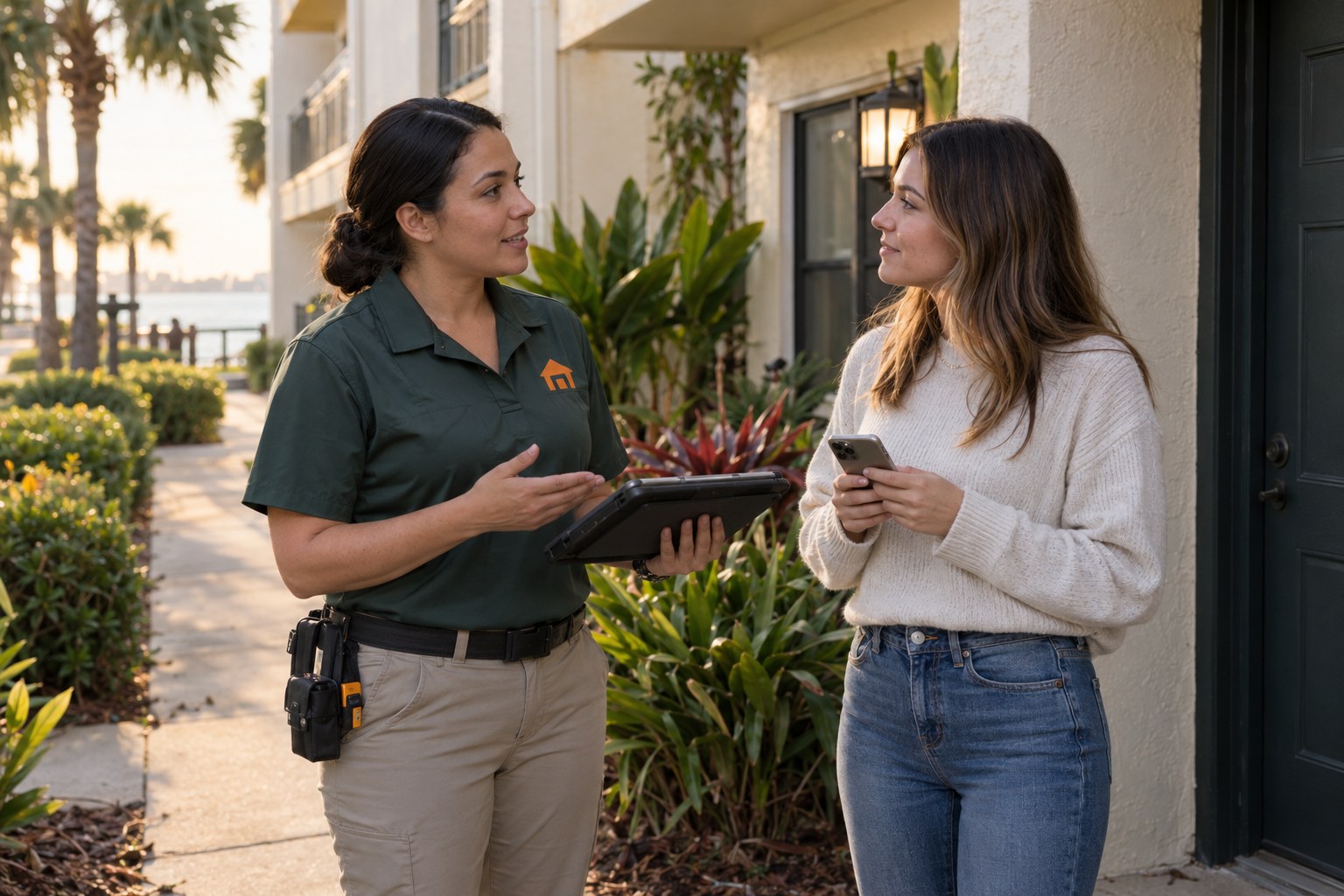
Life on a barrier island and what it does to locks
The Gulf is never far from a Perdido Key door. Salt carried by the wind settles on every exterior surface, and the air stays damp for much of the year. Metal that would last decades inland can show pitting and white powder within a few seasons, and locks, with their springs and fine tolerances, suffer first.
The signs are familiar to anyone who owns here: a deadbolt that feels gritty, a key that turns only after a wiggle, a keyway crusted with a pale residue. By the time the bolt sticks, corrosion inside the cylinder is usually advanced.
A technician who works on the coast chooses parts accordingly, favoring brass, stainless steel and coated finishes, and advises owners to rinse and dry exterior hardware regularly. The aim is realistic: coastal conditions will always wear metal, but good choices and simple habits stretch the interval between replacements.
Condo entry doors and balcony sliders
Condominium units usually have a hallway entry door and a balcony slider. The entry door often carries a deadbolt, a knob or lever, and sometimes an additional latch required by the association. Before any change, check association rules, because some buildings control hardware appearance or require approved keying.
The balcony slider faces the Gulf and takes the full force of salt air. Its latch, track and rollers corrode, and a stiff door gets propped open or left unlatched. A secondary lock such as a bar in the track or a pin helps, and the technician can clean and adjust the track so the door glides.
Upper floors give owners a feeling of safety, but balconies connect through shared structures in some buildings. Treat the slider with the same care as a ground-floor door. A lock that closes properly is more valuable than one that looks strong but is left open.
Vacation rentals and the guest key problem
A rental that welcomes new guests every week faces a different problem from a primary residence. Each guest receives access, and when they leave, the question is whether that access ends. A physical key can be copied or taken home. A lockbox code may be shared or remembered.
The most common solution is a keypad or smart lock that issues a fresh code for each stay and deletes it afterward. No key leaves the property, and the owner can see who has access. For properties that prefer mechanical locks, a rekey on a set schedule resets control.
Owners should choose a system they can manage reliably. A lock that needs frequent attention becomes a burden. A technician can recommend a model, install it, set up the first codes and explain how to maintain it so that the guest experience stays smooth.
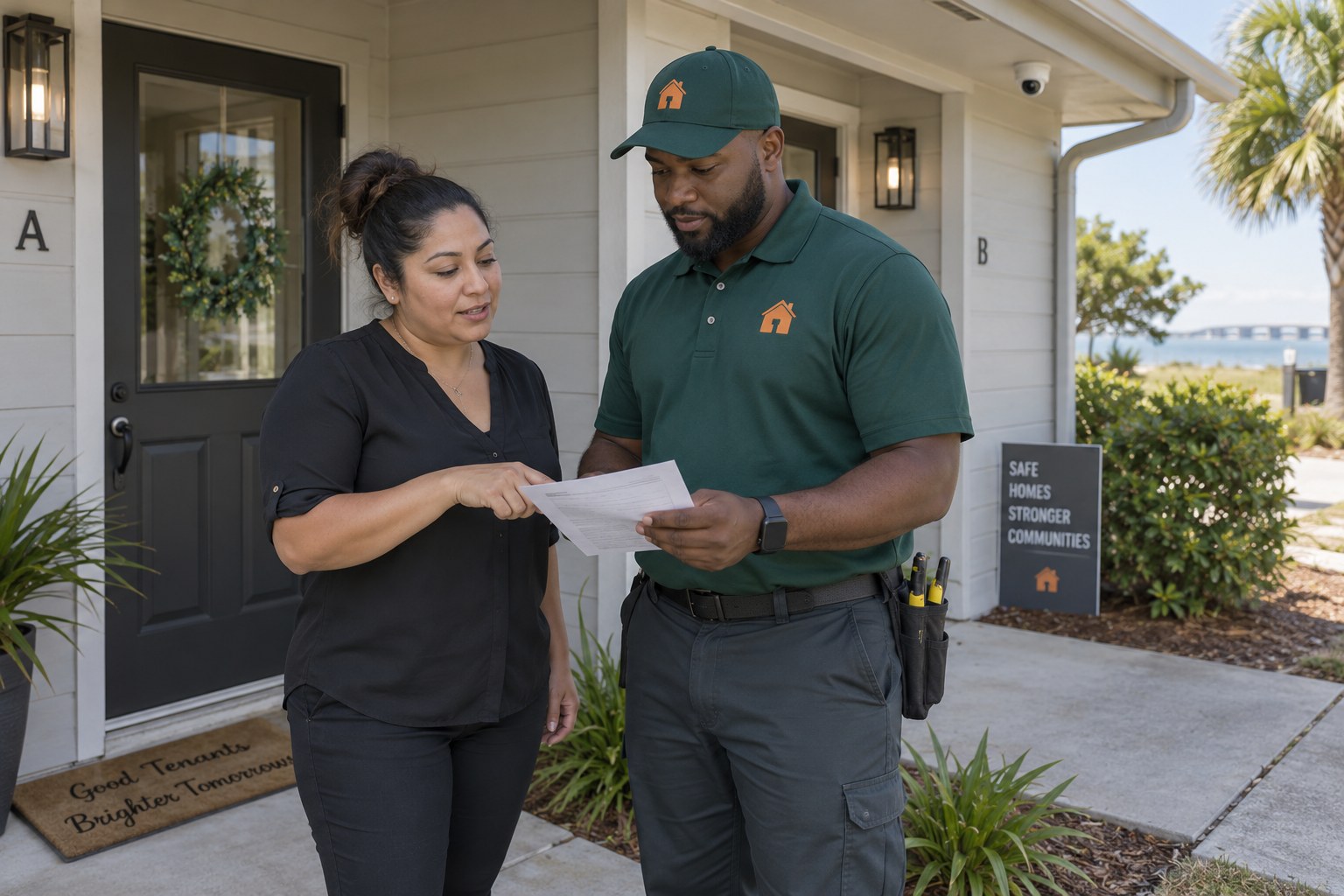
Smart locks that survive salt air
Not every electronic lock is made for a coastal environment. Check whether the keypad is sealed against moisture and whether the finish is rated for salt exposure. A lock that works in a showroom may develop sticking buttons and erratic readings after a humid summer.
Installation affects longevity. A door that has swollen slightly may make the bolt work harder and drain batteries faster. The technician checks alignment and adjusts the strike so the bolt slides in freely with the door closed.
Keep a mechanical key as backup. Batteries die, and keypads wear out. A backup key stored with a trusted person or in a secure location gets you inside when the electronics fail. Check the batteries on a schedule, and replace them before the lock warns you.
Turnover rekeys for owners and property managers
Between seasons or after a long-term tenant leaves, a rekey is a clean reset. The technician changes the pins in each cylinder, cuts new keys, and tests them. Old keys cease to work, and the owner knows exactly who holds access.
Property managers can arrange visits across several units. Providing a list of addresses and key counts in advance lets the technician plan efficiently. Keys can be labeled by unit and delivered in a way that matches the manager's system.
Authority is confirmed before work begins. A manager acting for an owner should be ready to show that authority, and the association may need to approve changes. Once that is settled, the work is quick and leaves the unit ready for the next stay.
Lockouts at the beach
A lockout on the island can be more than an inconvenience. Guests return from the beach with wet hands, sand-covered keys and no spare. Owners may be off island when a guest calls. Calling quickly and giving clear information helps.
The technician needs to confirm authority. For a guest, that usually means contact with the owner or manager, who confirms the stay. For an owner, a document or ID is enough. This step protects the property and the guests.
Non-destructive methods come first, and most residential locks open with picking or bypass. If salt has seized the lock, the technician explains the options, which may include replacement. Call to confirm availability, because scheduling depends on where technicians are working.
Sand, salt and keyways
Sand is abrasive, and it finds its way into everything. A keyway filled with sand wears the pins and the key quickly. Brush or blow out the keyway occasionally, and avoid inserting a gritty key.
Rinse exterior hardware with fresh water after storms that blow spray, and dry it. A soft cloth and a few minutes prevent salt from building up. Then apply a dry lubricant sparingly.
If a lock is already gritty, a technician can clean and inspect it. Sometimes cleaning is enough. If the cylinder is pitted, replacing it is the better answer, since further cleaning only delays the failure.
Hurricane season and island properties
Island owners think about hurricanes with particular attention. Before a storm, check that each door closes and latches firmly, and that shutters, if installed, operate. A door that rattles in calm air will struggle in a storm.
After a storm, inspect each lock. Salt water, sand and wind-driven debris can damage hardware or lodge in the mechanism. If a lock feels different, avoid forcing it and call for help.
Returning to the island can involve checkpoints and limited access. Plan ahead for how a technician would reach you, and have proof of ownership ready. Because ownership is checked before work, keep a document that shows your connection to the property.
Storage closets, garages and boat gear
Many beach properties have a ground-level storage closet or garage for beach gear, bikes, kayaks and paddle boards. These spaces face weather and are used by guests. A lock that seizes from salt is a daily frustration.
Choose marine-grade padlocks and corrosion-resistant hasps. A keypad or combination lock avoids the need for a key. A technician can suggest options and install them.
Keep valuable items out of shared storage when possible, and lock them separately. A cable lock through a bike frame or a locked cabinet inside the closet adds a second barrier.
Homeowner associations and approved hardware
Condominium and planned communities sometimes set rules about door hardware. Finishes, styles, keying and even the brand of keypad may be regulated. Before ordering, ask the manager or board what is allowed.
A locksmith can work within those rules. The technician can match finishes, install approved hardware, and document the work for the association. In some buildings, the association keeps a master key or a record of keys, and changes must be reported.
If your building has such rules, include them when you call. The technician will plan accordingly and avoid choices that need to be undone later.
Owners who live elsewhere
Many Perdido Key owners live in other cities and visit seasonally. Remote ownership makes key control essential. Know who has keys, and keep a simple record. A caretaker, a cleaner and a rental manager may each hold one.
A keypad lock allows codes for each, and you can change them from afar if the lock supports it. Without electronics, a rekey after any change in staff keeps control with you.
If you cannot be at the property for a service visit, arrange for a trusted representative and share written authority with the locksmith in advance. The technician confirms authority before working, and clear paperwork makes this smooth.
Doors, frames and wind
Coastal wind puts steady pressure on doors. A door that flexes may stress the latch, and a loose hinge can let it shift. Check hinge screws and strikes for tightness.
Impact-rated and heavy doors have their own hardware needs, and the lock must match the door. A technician can advise on compatible locks and make sure the bolt aligns perfectly.
If a door is hard to close in windy conditions, the frame may be out of square. A carpenter can correct that, and the technician can adjust the lock to work smoothly in the meantime.
Mailboxes, package lockers and shared facilities
Condos often have cluster mailboxes, package rooms and shared facilities. These are managed by the association, and locks on them are usually handled by the manager. A resident with a stuck mailbox should contact the manager first.
Within a unit, a small lockbox or cabinet for documents and valuables adds privacy during rentals. A locksmith can fit a lock to a closet or cabinet that owners use for their own belongings.
If you rent out your unit, lock away personal items and keep a record of what is stored. A guest has access to the unit, and your own storage should be protected.
The flow of a Perdido Key service call, arrival through testing
The technician arrives, introduces themselves and confirms ownership or authority. Then they examine the lock, explain what they see and describe the options. You decide before work begins.
Work proceeds at the door, with tests along the way. The technician demonstrates the result and explains how to maintain it. If new keys or codes are issued, they are counted and handed over.
Afterward, you receive a clear account of what was done. Ask questions, and keep notes about key counts and codes in a safe place.
Booking a visit on Perdido Key
Start by describing the place and what has gone wrong. Mention whether you are dealing with a condo unit, a single-family house or a rental, and name each door that needs attention. Availability is confirmed during the conversation, and routine tasks are priced on the same call so you know the plan before anyone heads your way.
Jobs that are hard to diagnose remotely, such as corroded hardware near the water or a sticking multipoint lock, begin with an inspection visit. The reason for the trip charge is made clear before a technician is dispatched. If the inspection uncovers more to fix, the added scope is explained in person and only goes ahead once you approve.
Bring a document showing you own or are entitled to manage the unit, any approval letter your condo association requires, and all the keys you have. The technician reviews your authority before beginning. When the repair is done, the two of you run the lock through its full motion together to confirm that everything operates properly.
Cleaners, maintenance crews and temporary access
A rental or second home depends on people who come and go: a cleaning crew between guests, a handyman for repairs, a pool or pest service, a contractor after a storm. Each needs a way in, and each way in is a possible gap. The simplest control is to give each a separate, removable credential rather than a shared key.
With a keypad lock, that means a code for each person or company, with a record of changes. A cleaner who leaves the business loses access the same day, without any key to retrieve. Without electronics, consider a lockbox with a code you change regularly, or a rekey whenever a crew changes. Choose a method you will really follow.
Whatever you use, tell the technician about it when you plan the lock. A system built around how the property is actually managed works far better than one imposed on it. Describe who comes, when, and how often, and the technician can suggest an arrangement that keeps your life manageable and your property under your control.
Replacing versus rekeying on the island
On the coast, the choice between rekeying and replacing a lock has an extra factor: how corroded the lock is. A rekey assumes the cylinder is in good condition. If the pins are rusted or the plug is pitted, rekeying may not work well and could fail soon after. The technician checks this when the cylinder comes out.
If the lock is sound, rekey and move on. If it shows corrosion, replacement with a coastal-grade lock makes sense, and the cost of the new lock is offset by the longer life. The technician explains what is found and gives you the decision, with no pressure.
For rentals with many units, a mix is common. Newer units get rekeyed, and older units with corroded hardware are replaced during the same visit. Planning the work together saves trips and leaves the whole property with a consistent standard of locks.
Bike racks, kayak storage and the locks that guard beach gear
Beach living brings a lot of equipment, and much of it sits outdoors or in shared storage. Bicycles, paddleboards, kayaks, fishing rods and coolers are easy to carry and attractive to take. If your condo or home has a storage cage or a rack, the lock on it is doing more work than most. Salt and sand attack shackles and keyways quickly, so choose products made for marine use, and replace any that have become stiff or rusty before they fail altogether.
Cable locks are convenient but cut easily, so consider a hardened chain or a U-lock for items of real value. Thread the lock through the frame, not just a wheel, and position it so it is off the ground, which makes cutting harder. For kayaks and boards, a cable through the grab handle and anchored to a fixed post is a deterrent, though not a perfect one. Keep serial numbers in a safe place in case you ever need to report a loss.
If you manage a rental, think about how guests will handle the equipment you supply. A combination lock that you reset between stays avoids lost keys and is easy to explain in a check-in note. Make sure the combination is not reused for years. Our technicians can advise on suitable hardware for your setting and can install hasps or brackets where a lock needs a proper anchor point. Matching locks to the way people actually use the equipment keeps the system working.
Seasonal visitors and winter residents
Some owners come for the cooler months and leave in summer, while others do the reverse. When a property sits closed for months, the locks sit too. Humid air works on them quietly, and the first use after a long break often reveals stiffness or sticking.
Before closing a house for the season, lubricate the locks lightly with a dry product, check that doors close properly and take any spare keys out of obvious hiding places. On return, test every lock before you unpack. If a lock sticks, call for help rather than forcing it.
If someone has watched the property, ask whether they used a key or a code, and consider whether to rekey or change codes. It is a routine reset, like changing a password, and it keeps access under your control rather than leaving it to chance.
Questions people ask us
How do I stop guests from keeping access to my rental?
A keypad or smart lock that issues a new code for each stay and deletes it afterward is the common answer. For mechanical locks, schedule a rekey between seasons. The technician can set up either approach and explain how to manage it.
Why does my balcony slider stick?
Salt, sand and dirt in the track and worn rollers are the usual causes. A technician can clean the track, adjust or replace rollers and fit a secondary lock. A door that does not close fully is not locked.
Do I need association approval to change a lock?
In many condominium buildings, yes. Rules may cover finishes, keying and electronic locks. Check with your manager first. The technician can work within approved options and document the work.
Can you help a guest who is locked out?
Only after authority is confirmed, normally by the owner or manager. Call us, and we will explain the process. The technician tries non-destructive methods first. Call to confirm availability.
How often should I replace coastal door hardware?
There is no fixed schedule. Watch for gritty keys, white residue, rust on screws and slow bolts. Regular rinsing and dry lubricant extend life. A technician can inspect and tell you honestly whether it is time.