

Start with the door, not the lock
Before you look at any lock, look at the door. A strong lock on a weak door is a poor investment. Check whether the door is solid wood, solid core, steel, fiberglass or hollow. Hollow interior style doors on an outside entrance cannot hold a good lock for long, because the wood around the bore is thin and easily split. If your front door is hollow, consider replacing the door before upgrading the hardware.
Measure the door thickness, usually one and three eighths or one and three quarters inches, and check the existing holes. Most residential locks are made for a standard bore of two and one eighth inches in the face and one inch in the edge, with a backset of either two and three eighths or two and three quarters inches. Matching these avoids drilling new holes.
Look at the frame too. The strike plate and the wood behind it do much of the work in resisting force. A door with a thin, cracked or loose frame will fail no matter how good the lock is. Plan to reinforce the frame with longer screws and a sturdier strike, which costs little compared with the security it adds.
Finally, note how the door is used. A front door gets daily traffic and weather. A back door may face a fenced yard. A garage entry door connects the house to a space that often holds tools. A patio slider needs a different kind of lock altogether. Each position has its own needs, so make a list of every exterior door before you shop.
Know the main types of lock
A knob or lever set with a built in latch holds a door closed and lets you pass through without a key. It does not provide strong security by itself, because the latch bolt is short and beveled. Treat it as a convenience that keeps the door shut, and add a deadbolt on any door that faces the outdoors.
A deadbolt has a square bolt that extends into the frame when locked and cannot be pushed back with a card or a shove. Single cylinder deadbolts have a key on the outside and a thumb turn inside. Double cylinder ones require a key on both sides, which can be a hazard in an emergency, so many fire codes and families avoid them unless glass nearby makes them necessary.
A combination or entry set bundles a handle and deadbolt into a single design, which looks tidy and works well when installed carefully. A mortise lock is a heavier option found on older doors, with a deep case set into the edge. Smart locks add keypads, apps or codes on top of one of these mechanisms, and they come in knob, lever and deadbolt styles.
Sliding doors and French doors need their own hardware, such as a hook bolt, a security bar or a pin lock. Many patio doors rely on a thin latch that can be lifted out of the track. A bar or a dowel in the track costs little and makes a real difference. For garage doors, the opener and the entry door both deserve attention.
Understand grades and what they mean
Residential locks are graded by an industry standard. Grade 1 is the strongest, designed for heavy use and tested against hard use and attack. Grade 2 is a solid residential level, and Grade 3 is the lightest. Look for the grade on the package. For exterior doors, aim for Grade 1 or Grade 2 deadbolts, and treat Grade 3 as suitable for lighter duty interior use.
Grade is not the whole story. Two locks with the same grade can differ in cylinder quality, bolt length, strike design and finish. Features like a hardened steel insert in the bolt, a reinforced strike and a good cylinder with security pins matter. A technician can show you the differences by holding them side by side.
Be wary of vague marketing words such as heavy duty or high security. Only the standard rating and visible construction tell you what you are getting. Check the weight of the lock, the thickness of the metal, and the length of the bolt. A one inch throw is a common recommendation for exterior deadbolts.
Finish also matters on the Gulf Coast. Salt air and humidity corrode cheap plating, and a lock that looks fine in the box may pit within a season. Look for finishes marketed for coastal use, and ask about solid brass or stainless components. A good finish keeps the lock operating and looking right.
Think about your household
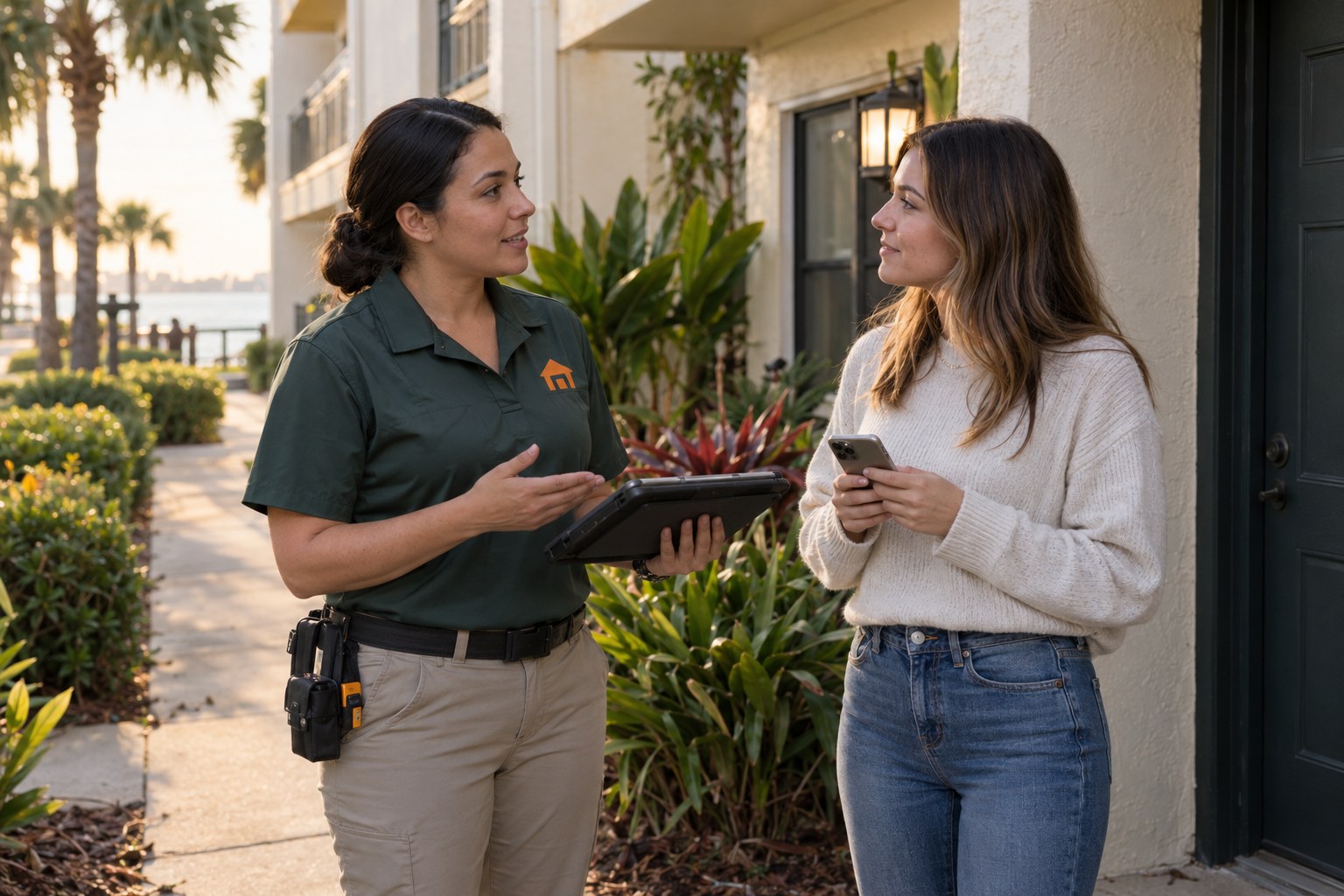
Who uses the door? Children, older adults, guests, house sitters and delivery people each have different needs. A lever handle is easier than a round knob for hands that are weak or full of groceries. A keypad is helpful for a family where someone often loses keys. A thumb turn inside makes quick exit easy in an emergency.
Consider how many keys you will need and who can have them. Standard keys can be copied at many stores, which is convenient but means control is limited. Restricted keyway systems limit duplication to authorized sources. That is useful for rentals and for anyone who wants tighter control over who has a working copy.
If you rent, ask the landlord what you may change. Many leases allow you to ask for rekeying between tenants, which is a lower cost way to make sure former occupants cannot enter. Some allow you to add a deadbolt if the old one is poor. A locksmith checks ownership or authority before rekeying or changing a lock, so be ready to provide it.
Think about power failures and storms. A lock that depends entirely on batteries or a network can fail at the worst time. Smart locks usually include a physical key backup, but keep it somewhere accessible. In hurricane season, having a simple, reliable mechanical lock as the base is a wise choice.
Keys, keypads and smart options
A traditional key lock is simple and dependable. It has few parts to fail and works without power. Its weakness is key control: keys can be lost, copied or left under a mat. If you go this way, choose a good cylinder and keep a record of who holds keys.
Keypad locks let you set codes for family, guests or workers. You can change a code without handing out a new key, which suits rentals and shared homes. The downside is battery life and wear on the keypad. Choose a model with a low battery warning and an override key, and test it often.
Smart locks add phone control, activity logs and temporary codes. They can be convenient for people who travel or host guests. They also bring software, accounts and updates into the equation. Ask yourself whether you will maintain them, and whether you want your door's behavior tied to an internet connection.
Whatever you pick, think about failure. If the batteries die, can you still get in? If the phone is lost, can someone else enter? If the router is down, does the lock still work? Plan for these, and keep a mechanical key in a safe place. A technician can install and set up the lock, and explain how to reset it.
- Check door material, thickness and bore size first
- Choose Grade 1 or Grade 2 for exterior deadbolts
- Match finish to coastal conditions
- Keep a mechanical backup for any electronic lock
Installation matters as much as the lock
Even the best lock performs poorly if it is installed badly. The bolt must line up with the strike, the screws must reach solid wood, and the latch must move freely. A bolt that rubs against the edge of the hole wears quickly and can jam. A careful installer checks alignment with the door closed and open.
Longer screws in the strike plate and hinges make a big difference. Short screws bite only into the thin jamb, while three inch screws reach the framing behind. This one change makes a door much harder to kick in. It is a small detail that is often skipped in a rushed installation.
If you install it yourself, read the instructions, lay out the parts, and mark which half goes outside. A lock fitted backwards is a common mistake. Test the key from both sides and the thumb turn before closing the door. Keep the door open while testing so you cannot lock yourself out.
A technician can handle the job quickly and confirm the lock operates smoothly. Quotes are given by phone, and if the job is complicated, a technician visits and the service call charge is explained before dispatch. A professional installation also gives you someone to ask about adjustments later.
Budget thinking without the sticker shock
Locks are one of the most cost effective security items in a home. Spending a little more on a better deadbolt, a sturdier strike and longer screws is usually worthwhile compared with the cost of a break in. That said, there is a point where extra spending adds little. A Grade 1 deadbolt on a solid door with a reinforced frame is a strong setup for most homes.
Prioritize. Start with the doors most likely to be tested: the front door, back door and any door that is hidden from the street. Then work through the rest. A good lock on one door and a weak one on another leaves a gap that a person can exploit. Balance across all entries.
Consider total cost of ownership. A lock that corrodes and needs replacing every few years can cost more than a quality one that lasts. Rekeying is often cheaper than replacing hardware when you only need new keys. A technician can tell you which option fits your situation.
Avoid false economies. Cheap locks from unknown sources may look the same as quality ones but lack hardened parts. Reputable brands are tested and supported. If something sounds too good to be true, it probably is. Ask questions and check what the lock is made of before you buy.
Getting help choosing for your home
If you are unsure, call and describe your doors, your household and your concerns. A locksmith can suggest a setup that fits without selling you more than you need. It helps to have photos of each door, the edge and the frame, along with notes on what you already have.
Mention special factors, such as a house near the water, a rental with frequent guests, an older home with historic doors, or a family member with mobility needs. These shape the best choice. A technician can also advise on matching keys across doors so that you carry one key instead of several.
Before any rekeying, replacing or opening, the locksmith checks ownership or authority. For a home, that means confirming that you live there or manage it. This step protects residents and is a normal part of the process.
Call to confirm availability in your part of Pensacola, Escambia or Santa Rosa county. Quotes are given by phone, and larger jobs are handled by a visit with the service call charge explained first. Taking time to choose well now saves worry and repeat work later.
Reading the packaging and the lock itself without a sales pitch
Hardware store packaging is crowded with claims, icons and numbers, and it is easy to confuse marketing language with real information. Ignore the large words on the front and look for the quiet details: the lock grade printed on the back, the backset size, the door thickness it fits, and whether it is made for exterior or interior use. These details tell you whether the lock will physically fit your door and whether it was designed for the job.
Pick the lock up. A solid lock has weight, and its parts feel tight. A bolt that rattles in its housing or a cylinder that wobbles in the package is a sign of loose tolerances. Look at the bolt length and the strike plate that comes in the box. A short thin strike with two tiny screws is an invitation to weak installation, and many careful homeowners replace it with a longer strike and longer screws right away.
Check the finish. On the Gulf Coast, a finish that is rated for outdoor and coastal use will hold up better than a decorative plating meant for dry climates. Ask whether the interior parts are also protected against moisture, since salt air gets inside.
If any of these details are unclear, bring a photo of the package or the lock to a conversation with us. We can say whether it suits your door and what a proper installation would involve.
Take a few measurements before you shop and write them on your phone: door thickness, the distance from the door edge to the center of the hole, and the size of the large hole. With those three numbers in hand you can compare products quickly and avoid buying a lock that will not fit, which is a surprisingly common reason for a second trip to the store.
Room by room: matching locks to each entrance
The front door is the one visitors see, so it often gets the nicest hardware, but it should also get the strongest. A Grade 1 or 2 single cylinder deadbolt, a matching handle set or lever, a reinforced strike and long screws make a balanced setup. If the door has a window beside it, keep the thumb turn out of easy reach from the glass, or use a solution that requires a key only where it is safe to do so.
The back door and side doors are tested more often than people think, because they are hidden from the street. They deserve the same deadbolt quality as the front. Add good outdoor lighting and check that the frame is solid. If the door opens into a fenced yard or carport, remember that the fence also hides anyone working on the door, which is a reason to build strength into the hardware rather than rely on being seen.
Garage entry doors connect to a space that often holds tools and sometimes vehicles. Treat them as exterior doors, with a deadbolt and a solid frame. Many garage entry doors are hollow or lightweight, so look at the door itself. Also remember that a garage door opener remote left in a parked car can give access, so keep the inner door locked even when the garage is closed.
Sliding glass and French doors need their own plan. A track bar or a pin lock stops the door from being lifted or slid, and a secondary latch adds a layer. Bedroom and bathroom doors need only simple privacy locks. Walk through your home and give each door a short note on what it protects, who uses it and what hardware fits. That list turns a confusing shopping trip into a clear plan.
Questions people ask us
Do I need a deadbolt if my knob already locks?
Yes, for any door facing the outdoors. A knob lock has a short beveled latch that can often be slipped with a card or forced with a shove. A deadbolt has a square bolt that extends into the frame and resists those methods. Pair it with a sturdy strike plate and long screws.
What lock grade should I look for?
For exterior doors, look for Grade 1 or Grade 2. Grade 1 is the strongest for residential use, while Grade 3 is the lightest and better suited to interior doors. Also consider the finish, bolt length and strike design. A technician can explain the differences when you call.
Are smart locks a good idea for a rental?
They can be useful because you can change codes between guests without handing out keys. Choose one with a mechanical key backup and check the batteries regularly. Think about who will manage the settings, and keep records of who has access.
Can I install a lock myself?
Many people do. Match the lock to the door's bore and backset, mark inside and outside, and test before closing the door. If the door is damaged or the work is complicated, call for help. A locksmith also checks ownership or authority before changing locks on a home.
How do I get a quote?
Call us and describe your doors and what you want. Quotes are given by phone. If the job is more complicated, a technician visits and the service call charge is explained before dispatch. Call to confirm availability in your area.