

The everyday house in a settled neighborhood
A typical home in a settled residential area has a front door with a keyed knob or lever and a deadbolt above it, a back door that opens to a yard or patio and a door from the garage or carport. The hardware is usually a common brand and a common keyway, installed at the time of construction or replaced during a renovation. That sameness is a help, because it means most lock work can be done on the first visit with parts the technician already carries.
The difficulty is time. A lock installed many years ago has been turned tens of thousands of times. Springs soften, brass wears smooth and the screws that hold the whole assembly together work slightly loose. A door that once closed with a crisp click starts to sound dull, and the key needs a firm push.
These changes are gradual enough that families adapt without noticing. A quick inspection can reveal a lot. If the handle droops when you let go, if the deadbolt takes a second try or if the key leaves a bright metal shaving, the lock is telling you something.
When you call, describe how the lock behaves. We use that description to decide what to bring and to give you a realistic quote by phone.
Why locks quietly wear out
Inside a standard pin tumbler cylinder, small spring-loaded pins ride against the cuts of your key. Each time you insert and turn the key, the pins slide a little and the key rubs the brass. Over thousands of cycles both surfaces wear. The key becomes smoother, the pins become rounder and the fit gets looser. At some point the lock begins to bind or lets almost any similar key partially turn.
Dirt and grit accelerate the process. Pocket lint, dust from a garage and airborne salt each add abrasive. A keyway that is never cleaned gathers a layer of debris that gets pushed deeper with each key insertion. Sticky lubricants make this worse by trapping dust.
Use of the wrong lubricant is a common mistake. Oils attract dirt. A dry graphite or Teflon based product is better suited to cylinders. A technician cleans the keyway first and applies lubricant sparingly.
If cleaning does not help, the cylinder is worn beyond easy repair. Replacing the cylinder is typically faster and more reliable than coaxing a failing one along, and the new keys fit better.
Rekeying when keys go missing
Missing keys create a nagging problem. You cannot be sure whether the key fell in the yard, ended up in a bag at the gym or went home with a visitor. The uncertainty is itself the issue, and it often justifies a rekey even if the key is probably harmless.
The process is straightforward. The technician removes the cylinder or accesses it in place, replaces the pins with a new combination and cuts keys to match. The lock is reassembled and tested, and the old keys stop working. Most doors are done in a short visit, and several locks can be rekeyed to the same key at once.
If you hold a key to a lock you no longer use, such as a previous front door, destroy it or keep it clearly labeled. Old keys cause confusion later.
We rekey only after confirming that you own the home or are authorized to manage it. A lease, a closing document or an identification with the address usually settles it.
Apartments and small multi-unit buildings
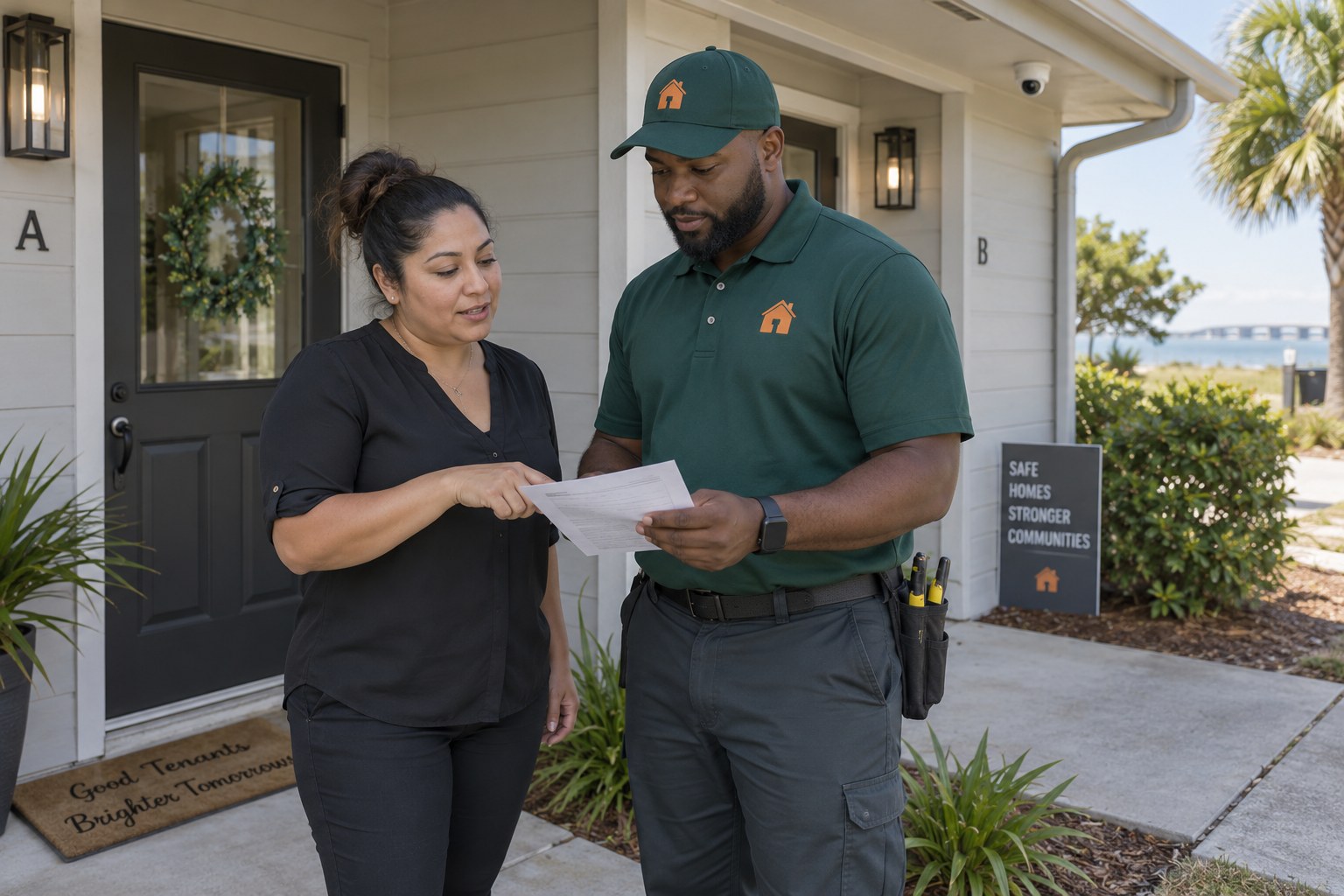
Apartment buildings in the area range from small complexes to converted houses with a few units. The security picture is different from a single-family home. Residents share walls, stairs and sometimes a common entrance, which means the unit door carries more of the load. A quality deadbolt on the unit door and a viewer or chain for visitors make sense.
Property managers handle many of these decisions, and tenants should check their lease before changing locks. If you are a resident locked out after hours, you may try the office or an emergency maintenance number first. If that fails, we can assist after confirming your residency.
Managers who handle turnover often want a standard approach: rekey each unit between tenants, label the keys and record the date. We can follow that routine and, for larger sets, discuss a master key arrangement that lets the manager open every unit without carrying many keys.
Master systems add complexity and cost, so we explain the tradeoffs by phone before suggesting them.
When you are locked out of your own house
Few moments are more irritating than standing at your own door with no way in. Stay calm and run a quick check. Is there another door or window already unlocked? Does a family member have a key and can they bring it? If the answer is no, calling a locksmith is the next step.
When you call, we ask about the door, the lock and the circumstances. Did the door lock behind you, or was the deadbolt thrown? Is anyone, including a pet, inside? Are there any glass panels near the lock? These details help us pick the least invasive method.
On arrival, the technician confirms that you live at the address by asking for identification or something similar. Once ownership or authority is clear, the work begins. Most home lockouts end with the door opened and the lock undamaged.
If the lock is damaged, whether by prior wear or by a break-in attempt, the technician explains what needs replacement. You decide how to proceed, with a quote given before any work.
Deadbolt strength and the screws nobody checks
A deadbolt is only as strong as its mounting. The bolt can be solid steel, but if the strike plate is held by two half-inch screws into a thin trim, a firm kick can split the jamb. Many doors that fail under force do so for this reason, not because the lock was defeated.
The cure is cheap. Replace the short strike screws with three inch screws that pass through the jamb and bite into the wall stud behind. Do the same with the top hinge screws. A technician can do this in a few minutes and often finds the old screws barely holding.
A reinforcing plate around the lock edge of the door spreads force across more wood. A heavy-duty strike box protects the jamb. These items are inexpensive relative to the value of what they protect.
We are happy to examine the doors of a house and report on which have solid framing and which do not. You can then decide where to invest.
- Three inch screws in the strike plate
- Longer screws in the top hinge
- Reinforcing plate at the lock edge
- Heavy-duty strike box
Garage and carport entries
The door between the garage or carport and the house is one of the most overlooked entry points. It is often a hollow-core door with a light latch, based on the idea that the garage is a protected space. In practice, garage doors are opened, left ajar or defeated, and the interior door is the last barrier.
Upgrading it is worthwhile. A solid core or steel door, a deadbolt and a strong strike make a difference. If the door must remain unlocked for family convenience, consider a keypad so there is no key to lose.
Do not forget the garage's own man door, the small door on the side or back. These are often secured by a basic latch that can be forced. Replacing it with a deadbolt or a keyed handle set improves protection.
Garage remote openers deserve a mention. If you have lost a remote or sold a car with a built-in opener, reprogramming the code ends the risk. That task is usually done by following the opener's instructions, and we can advise.
Humidity, rain and sticking doors
The Gulf Coast climate swells wood and tightens the fit between door and frame. During humid months, an exterior wooden door can bind against the jamb, and a lock may feel stiff. The root cause is often not the lock but a door that has grown a fraction larger.
Before assuming the lock is bad, try this: open the door and operate the lock. If the bolt moves freely when the door is open and drags when it is closed, the door and strike are misaligned. That is a case for adjusting the strike plate or easing the door edge, not for replacing the lock.
Weatherstripping can also add resistance. A new seal that is too thick can push the door out of true. A technician can notice and advise.
If the humid season is rough on your doors, consider a coat of sealant on the edges of wood doors, including the top and bottom, so moisture does not creep in. That is a simple measure that preserves the fit.
Preparing for hurricane season
Preparing for storms includes the doors. Start by testing every lock. Turn each deadbolt fully, check that the latch engages and make sure the key operates smoothly. A lock that sticks in calm weather will fail under stress.
Look at hinges and strike plates. Tight screws and a firm frame keep the door in place when winds push on it. If you see gaps or wobble, call for an adjustment before the season builds.
Plan your key strategy. If you evacuate, know who can access the house afterward. Keep a spare with a trusted person outside the area if possible. Do not hide a key in the yard where storm debris may bury it.
After the storm, check for water damage at the base of the door and for debris in the keyway. Call us if anything feels wrong.
How we quote and what to expect
We give quotes by phone. You describe the lock, the door and the problem, and we explain the likely work and cost range in plain words. This avoids guesswork and makes the visit efficient.
If the job appears complicated, a technician visits first. The service call charge is explained before dispatch, so you know what you are agreeing to. The technician then assesses the situation and explains the options and the quote for repairs.
On arrival we verify ownership or authority. We do this for every home, every time. It is a standard, not a suspicion.
After the work, you receive the keys, an explanation and a chance to ask questions. Call us to confirm availability for your location and describe what you need.
Keys for kids, teens and caregivers
Family homes run on shared access, and that creates its own set of lock questions. A child old enough to come home alone needs a way in that is simple and hard to lose. A key on a lanyard works until it vanishes at school, and a keypad code works until it is told to a friend. Neither is perfect, so think about which risk you prefer and plan a backup, such as a neighbor with a spare or a lockbox that holds a key.
Teenagers add another wrinkle, since they arrive late and may not want to wake the house. A deadbolt that can be operated from outside by a key and from inside by a thumb turn gives them freedom while keeping the house locked. Avoid giving out many copies of the key. Each extra copy increases the chance that one ends up where it should not.
Caregivers, cleaners and repair people also need access. Rather than lending your main key, consider a keypad code you can change after a visit, or a rekey after a long project. If a caregiver visits an older relative, a lockbox on the porch gives access without leaving a key under a mat.
We help families sort out these decisions by phone. Tell us who needs access and how often, and we will suggest a setup that is practical and secure.
After a roommate leaves or a relationship ends
Life changes, and locks sometimes need to change with it. A roommate moves out, a partner leaves or a family member no longer lives in the house. Even when the departure is friendly, the key to the home should return or stop working. A rekey is a clean, respectful way to do this without needing a conversation about copies.
If the situation is tense, safety comes first. Call the authorities if you feel threatened. When you are ready to secure the home, we can rekey or replace locks so the former occupant no longer has access, after confirming that you own or are authorized to manage the property. If the other person also has legal rights to the home, we may ask for documentation that clarifies who can authorize changes.
Do not forget secondary points. A garage keypad code, a shed key, a spare under a planter and any smart lock codes also need updating. A thorough reset covers all of them.
We keep these calls matter-of-fact and private. Describe what you need, and we will explain the steps and quote the work by phone.
Small habits that make locks last
Locks do not ask for much, but a few habits stretch their life considerably. Use the key gently and do not force it past resistance. If a key sticks, pull it back slightly and try again rather than twisting hard. Hold the door handle or lift the door slightly when engaging a deadbolt on a sagging door, which reduces strain, and plan to correct the sag at the hinges soon.
Keep the keyway clean. A quick puff of compressed air once or twice a year clears dust. Apply a small amount of dry lubricant if the key starts to feel rough. Avoid household oils, which attract dirt. Wipe the exterior hardware with a damp cloth after windy, salty weather to remove residue.
Replace worn keys. A duplicate cut from a worn key carries the wear forward. Go back to the original or a key cut by code. If your main key has begun to look shiny and rounded, retire it. A fresh key often cures a lock that seemed to be failing.
Finally, listen to the lock. A new rattle, a grinding sound or a bolt that moves unevenly is an early warning. Calling about it early usually means a small repair, while waiting often means a lockout.
Questions people ask us
Do you serve Oakfield?
Yes, our mobile technician covers Oakfield along with other parts of the Pensacola area. Availability changes, so please call to confirm for your address. Describe the door and the problem, and we will give you a quote by phone before dispatch.
Why does my key leave metal shavings?
Shavings usually mean the key and cylinder are rubbing hard, often from wear, a poor key copy or debris. A technician can clean the lock, compare keys and decide whether rekeying or replacing the cylinder is the better fix.
Can you strengthen a weak door frame?
Often yes. Longer strike and hinge screws, a reinforcing plate and a heavy strike box add strength. If the wood is rotted or split, a carpenter may be needed first. We tell you honestly what a locksmith visit can and cannot fix.
Do you rekey garage entry locks too?
Yes. The garage entry door, side doors and gate locks can be rekeyed so one key works throughout, where the hardware allows. We confirm ownership or authority before any rekey. Mention all the doors when you call.
What if the job turns out complicated?
A technician visits to assess it, and the service call charge is explained before dispatch. After the assessment, we explain the options and give a quote for the work, so you can decide whether to go ahead.