
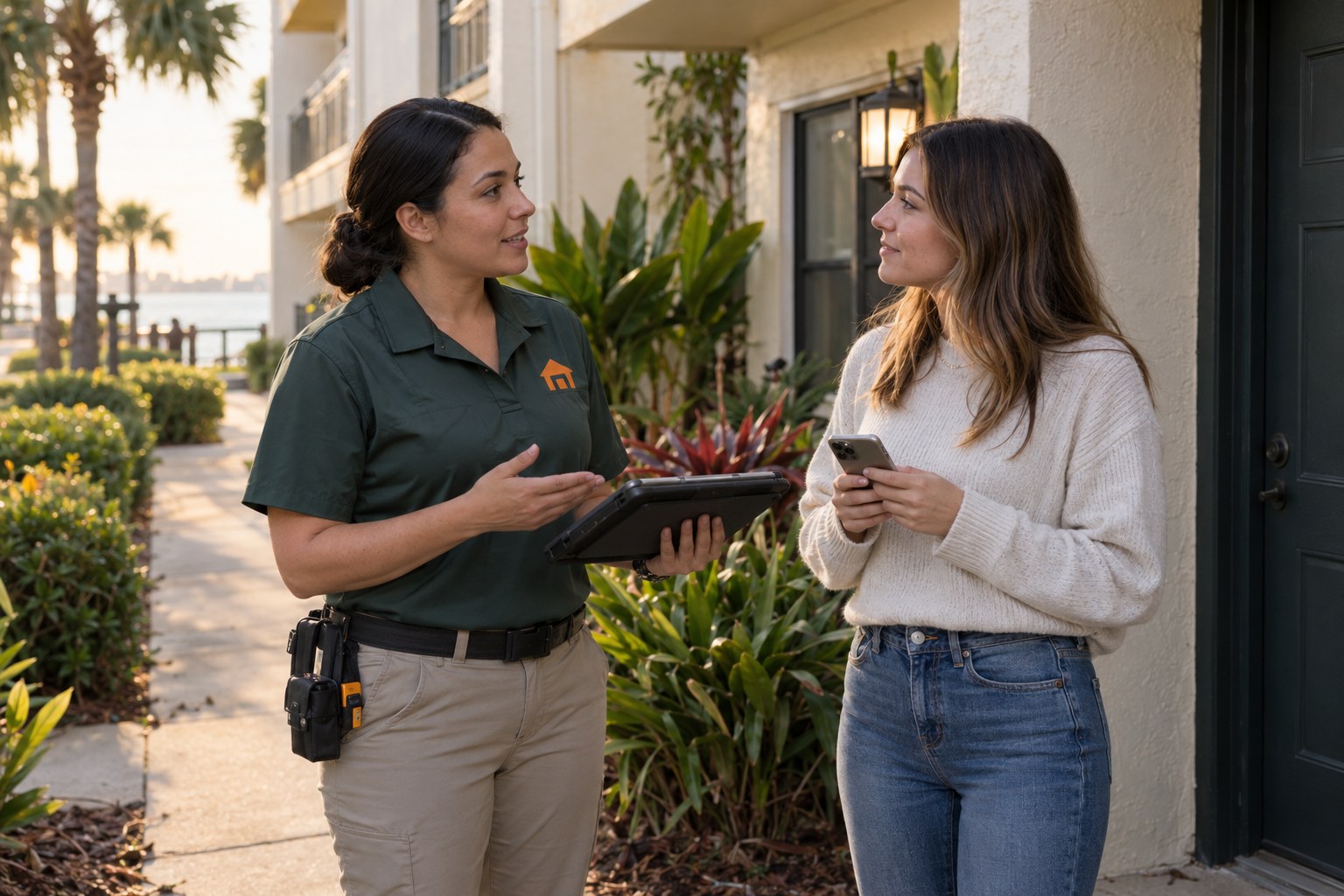
A fast-growing area with new homes and open lots
Parts of the northwest side have seen steady building, with new subdivisions appearing beside older homes on bigger parcels. Newcomers arrive from other cities and other states, often buying a home they have seen only briefly, and begin learning the neighborhood after the closing.
New construction brings its own lock questions. Builders typically install a standard keying across a development, and a contractor team will have worked in the home during construction. Many owners wonder how many people hold a key, and the honest answer is that it is hard to know.
Homes on larger lots add distance. A back door may be far from the street, and a workshop may sit at the edge of the property. Locks protect more space, and the cost of a break-in in a quiet spot is greater because no neighbor is close enough to notice.
A mobile locksmith comes to the property and sees how the home is laid out. That context helps. Instead of recommending a single product, the technician looks at the whole layout and suggests a sensible plan, from the front door to the farthest shed.
Rekeying a new build before you settle in
When you buy a newly built home, the locks may be keyed to a builder master pattern or to a construction key that several trades used. Even if the builder changed the keys at handover, workers who finished punch-list items may have had access. A rekey after closing creates a clean starting point.
The technician rekeys each exterior lock and any interior locks you want controlled. The hardware is generally in good condition, so replacement is not needed. You select how many keys you want and whether to use one key for all doors or separate keys for different areas.
New homes often have decorative hardware with plated finishes. Plating can be scratched by careless rekeying, so a careful technician protects the trim while working. The result should be a lock that looks untouched but works with only your keys.
Before the work begins, the technician checks that you own the home or have authority. A closing document, a deed or a similar record with the property address is sufficient. This is standard practice for any rekey, and it protects you.
Gates, driveways and long approaches
Larger lots often have gates, either a pedestrian gate near the house or a vehicle gate at the road. Locks on gates face weather, vibration and frequent use. Many are basic latches with a padlock, and the padlock is the weak point because it is exposed.
A good gate setup uses a hasp that conceals the shackle or a lock with a shrouded body that resists cutting. Keypad gate locks avoid keys entirely and suit properties where several people come and go. The technician can recommend a suitable type for your gate material, whether wood, metal or chain link.
Gates also need alignment. A gate that sags or drags makes the latch hard to engage and encourages people to leave it open. Adjusting the hinges and the latch height improves operation. If the post has shifted, a carpenter or fence installer may be needed.
Think about emergency access too. If a medical or fire crew needs to reach your home, a locked gate can delay them. Some owners use a lockbox with a code that is shared with the local responders, or simply keep the gate unlocked when someone is home.
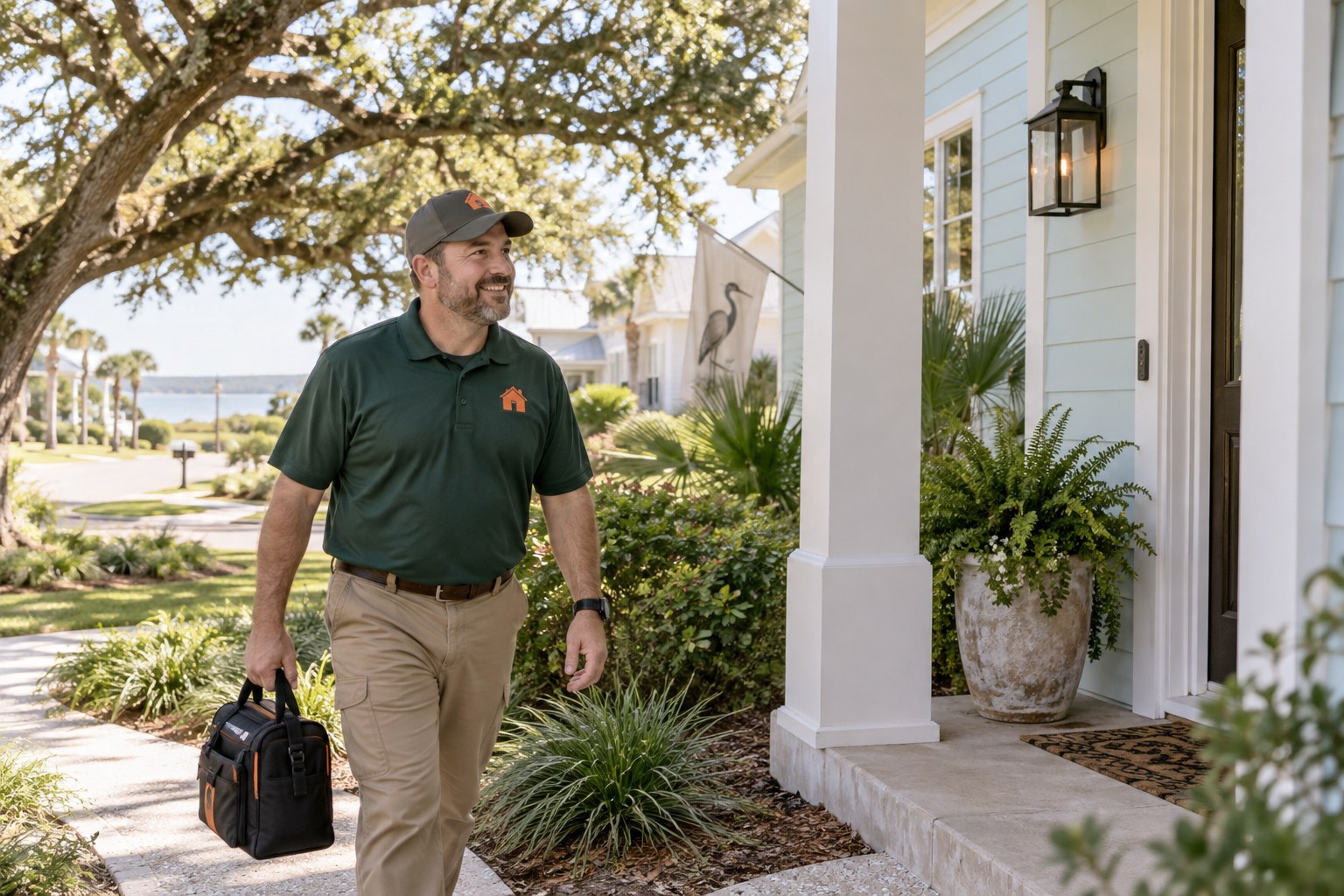
Outbuildings: sheds, workshops and barns
Larger properties often hold tools, mowers, tractors and equipment that represent real value. Outbuildings are frequent targets because they are away from the house and often locked with a single padlock on a thin hasp.
The most effective improvement is usually the hasp and its fastening. A heavy hasp bolted through the door, rather than screwed into the surface, is far harder to pry off. Pair it with a hardened padlock that has a protected shackle, and the effort needed to break in increases a lot.
For workshops you use often, a deadbolt on the door can make life easier than a padlock. You turn one key rather than fumbling with a hasp, and the door seats firmly. A technician can install deadbolts into metal or wood doors and reinforce the frame.
Inventory what you keep inside. If something is especially valuable, consider a second lock inside the building, such as a locking cabinet or a chain through equipment. A layered approach makes a quick theft much harder and gives you time to notice.
Lockouts far from the street
A lockout is no less inconvenient on a long driveway. If you are locked out of the house with the car keys inside, or locked out of a shed with the hay inside, the call is the same: describe the situation and ask about availability.
The technician confirms that you live there or have authority. On larger properties, this may mean checking a document at the front door or verifying the address with the owner. It is a small formality that protects against someone claiming a home they have no right to enter.
Non-destructive methods come first. Most residential locks can be opened by picking or bypass. Gates and outbuildings may involve padlocks, which are sometimes cut if the key is lost, and the technician will explain what is required and replace the lock if needed.
If you are far from the road, make sure the technician can find your property. Give clear directions, mention any gates, and turn on an outside light if it is dark. A well-lit, clearly described driveway saves time.
Keypad deadbolts for busy households
Families on larger lots often have more people coming and going: contractors, pet sitters, extended relatives, children home from school. Keypad deadbolts allow a code for each person, which can be erased without collecting keys.
Installation depends on the door. New doors in new homes are usually well prepared and accept most models easily. A technician checks the bolt alignment, tests the throw and sets up the codes. Make sure you understand how to add and remove codes before the technician leaves.
Think about power. Most keypad locks run on batteries that last many months, and they warn you when charge is low. Keep spare batteries and know where the emergency power contacts are. A mechanical key is still a sensible backup.
If your home gets spotty internet, avoid models that depend on a cloud connection to unlock. A lock should work even if the router is down. A technician can recommend models that function locally and offer connected features as an extra.
Moving from the city to a larger property
People moving from apartments to larger homes sometimes underestimate how many doors need attention. A house may have a front door, a back door, a garage entry, a basement door, a sliding door and several windows. Each is a possible entry.
A walkthrough with the technician helps. Start at the door you use most and move outward. Check each lock, each strike, each latch, and note anything that feels weak. Prioritize doors that are out of sight from the street.
Consider how the household will use each door. A back door that opens to the yard may be used by children and pets all day, so it needs a lock that is easy to operate but still secure. A keypad or lever can help.
Plan the key system so the household can manage it. Too many different keys cause lockouts, and too few leave a gap. A technician can suggest a layout that matches your routine and rekey accordingly.
Sticking doors and swollen wood in humid months
Gulf Coast humidity affects wood doors everywhere, and homes with shaded or covered entries stay damp longer. A door that sticks in summer may be fine in winter. The lock is rarely the cause, but it often wears from the effort.
The technician checks alignment first. A strike plate that sits slightly off causes the latch to drag. Moving it by a few millimeters can restore smooth action. If the door has swollen along the edge, a carpenter may need to plane it.
Sealing the door edges with paint or a suitable finish reduces moisture absorption. Many doors absorb moisture through unpainted bottom edges. A quick check and a coat of sealant can help with sticking for years.
If a deadbolt becomes hard to turn only in humid weather, avoid forcing it. Forcing can bend the bolt or break the cylinder. Call and describe the symptoms, and the technician can say whether it is alignment, corrosion or something else.
Windows, sliders and secondary entries
Larger homes tend to have more windows and sliding doors, and each is a possible weak point. Windows on the ground floor facing the back of the property are especially vulnerable because they are far from the street.
A window latch that works properly is the first line of defense. Check that each window locks fully. Replace broken latches and consider pins or stops that limit how far the window opens when you want ventilation.
Sliding doors need secondary locks. A bar in the track, a pin through the frame, or a keyed latch can all help. The technician can install what suits your door, and clean and adjust the track so the door closes fully.
Do not forget garage side doors and basement entries. These are quieter than the main door and often receive less care. A deadbolt and a solid strike make them much more secure.
Hurricane season for homes on larger lots
Storms affect larger properties differently. Trees fall, gates are damaged, outbuildings lose doors. Before a storm, secure gates and sheds, bring in loose items, and confirm that exterior doors latch firmly.
After a storm, look at every lock and latch. Shifted frames, damaged hasps and bent hinges are common. If a lock does not work, call before forcing it, and describe what you see.
If a door or gate has been damaged and cannot be secured, a locksmith can provide temporary fixes or replacement hardware. Because ownership matters, bring proof of residence and be ready to point out the affected areas.
Consider a rekey after a major storm if many people had access to your property during cleanup. Contractors, volunteers and helpful neighbors may have used a key. Resetting access gives you control again.
Booking a visit in Beulah
Call us and describe the job. Tell us what kind of property you have, which locks are involved and what is wrong or what you want done. We confirm availability by phone and give a quote for routine work.
For complicated work, a technician visits first. The service call charge is explained before dispatch, and anything added on site is discussed and agreed with you before it begins.
Have proof of residence or authority ready, along with any keys, and make sure the technician can reach the doors and gates involved. If the property is hard to find, give clear directions.
After the work, the technician tests each lock with you and explains how it works. Ask any questions then, and keep any notes about key counts or codes in a safe place.
Key systems for a household with many doors
When a property has a house, a garage, a shed, a workshop and a gate, the number of keys can grow quickly. People respond in one of two ways. Some use a single key for everything, which is convenient but means one lost key opens every door. Others use a different key for each lock and end up with a heavy ring they cannot sort in the dark.
A middle path usually works better. Key the house doors alike, since the family uses them together, and key the outbuildings and gates on a second pattern. A third pattern can cover anything shared with outsiders, such as a barn used by a caretaker or a guest unit. If a key from one group is lost, only that group needs attention.
A locksmith can set this up in one visit by rekeying cylinders into the chosen groups and cutting labeled keys for each. Keep a simple list of which key opens which group, and tell the technician who in the household needs which keys. A plan like that takes an hour to put in place and saves years of confusion.
If your needs change later, for example a new tenant in a guest cottage or a farm helper who leaves, a single group can be rekeyed without disturbing the others. That is the practical advantage of planning the key layout rather than letting it grow by accident.
Subdivision streets, shared entrances and homes still being finished
In a growing area, you may live next to a house still under construction, where tradespeople come and go and doors stand open. A job site is a place where keys, codes and spare lockboxes multiply, and not every one is retrieved. If your own home was recently built, ask whether any lockbox, construction key or temporary code was ever used on your property. Rekeying at move-in removes the question entirely, so you do not need to wonder who might still have a way to open the door.
Newer subdivisions often share entrance gates, mail kiosks or community amenities. Those shared locks are usually managed by an association, and a locksmith will not alter them without approval from whoever is in charge. For your own home, though, you control everything behind your front door. A household can combine a deadbolt, a keypad for the garage entry and a smart lock on the back door, all keyed or coded in a way that suits the family. The conversation about what is practical is the first step.
Because lots are open and neighbors may be a bit farther apart, lighting and sight lines matter more than they do in older, tighter streets. Motion lights, a clear view of the front door from the street and trimmed shrubs near windows all reduce the places someone could stand unnoticed. These are not lock services, but a technician walking your property often notices them and can mention what stands out. Treat those comments as suggestions rather than requirements, and choose what fits your home and routine.
Security lighting and locks working together
Locks do their best work when someone can see the door. A well-lit entrance makes it harder to work unnoticed, and motion lights near sheds and gates draw attention to anyone approaching. On larger properties where neighbors are farther away, lighting matters even more.
A locksmith is not an electrician, and lighting work belongs to the right tradesperson, but the technician can point out where a lock is poorly visible. A dark side door with a basic knob is a common combination that invites trouble. Improving either the light or the lock helps, and doing both helps most.
Think about sightlines too. Overgrown shrubs near a door give cover to anyone trying a lock. Trimming plants back so the door is visible from the road or neighbor windows is a no-cost measure that many people overlook. It costs only an afternoon of yard work.
Finally, consider how you arrive home at night. A keypad lock or a lit keyway helps you get in quickly, and the less time you spend fumbling with a key, the safer you are. Small details like this are worth mentioning at the visit.
Questions people ask us
Should I rekey a newly built house?
It is a good idea. Builders and tradespeople may have held keys during construction. A rekey after closing gives you a clean start with only your keys. The hardware is usually fine, so the technician re-pins the cylinders. Ownership or authority is checked first.
What lock is best for a shed or workshop?
A heavy hasp bolted through the door with a hardened padlock is a strong, simple choice. For frequent use, a deadbolt on a solid door is easier. The technician can look at the building and recommend what fits the door and the contents.
Can a keypad lock work without internet?
Yes, most keypad deadbolts work locally on batteries and do not need a connection to unlock. Connected features are optional. Ask the technician for a model that works on its own so a router problem never locks you out.
Can you help if I am locked out and live far from the road?
Yes. Call, describe the door and give clear directions. The technician confirms authority on arrival, then tries non-destructive methods first. Call to confirm availability, since scheduling depends on where technicians are working.
Do you secure gates?
Yes. A technician can fit shrouded padlocks, concealed hasps or keypad gate locks and adjust the latch so the gate closes properly. If the post or hinges have shifted, you may also need a fence or carpentry repair.