
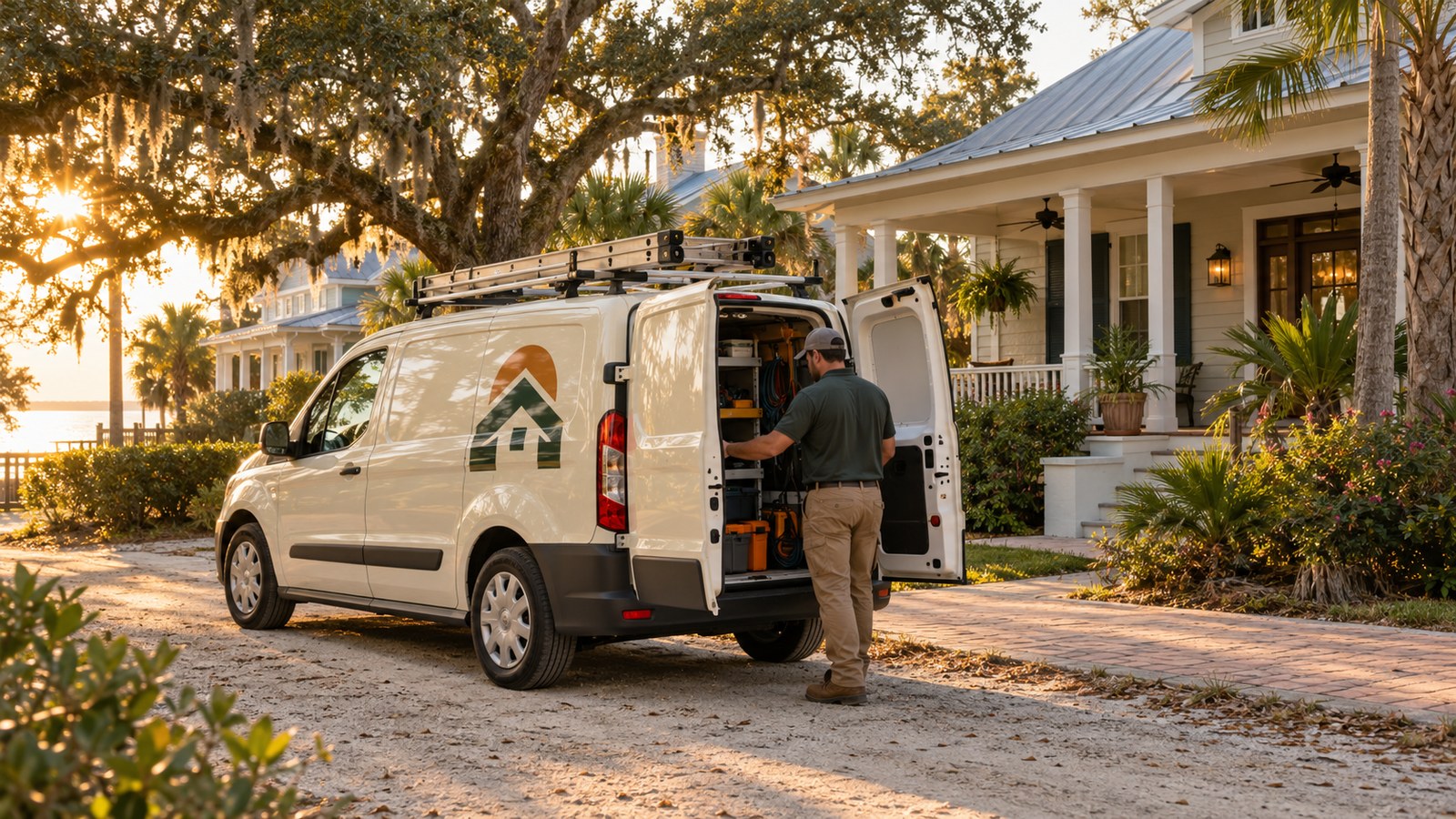
A coastal community with many part-time residents
Navarre has a mix that shapes its lock needs. Some owners live here year-round, others arrive for the winter or the summer, and a good number of houses are used only for short stays or rented to visitors. The result is a lot of homes that spend long stretches closed, and a lot of keys and codes in circulation.
A home that is occupied every day gets noticed. A home that sits empty for months relies on its locks and on a few trusted people to keep an eye on it. When the owner comes back, the first question is whether everything is as it was left. A good lock setup makes that answer more reliable.
A mobile locksmith helps by looking at the whole arrangement: who has access, how the doors are used and what condition the hardware is in after the damp months. The goal is a home you can leave with confidence and return to without surprises.
Leaving a home empty: a door and lock checklist
Before closing a house for the season, walk through each exterior door. Lock each one, then test it from outside. Check that the deadbolt extends fully, the door sits squarely and no light shows around the frame. Fix small issues now, because they get worse in months of humid air.
Windows and sliders deserve the same attention. Close and latch each one, add a bar in the track of any slider, and make sure garage doors are secured. A home that looks cared for and shut tight is less attractive to those looking for easy targets.
Think about who will check on the house. A neighbor or caretaker with a key or code needs clear instructions, and you need to know when they last visited. A keypad lock lets you give a caretaker a code and remove it when you return, with no key left behind.
Returning after months away
When you open a house that has been shut for a season, lock problems often show up at once. A deadbolt that was smooth in spring may be stiff after a damp summer. A key may turn with effort, and a keypad lock may have drained its batteries. Expect a little trouble and plan for it.
Test every lock before you unpack. Turn each key, try each code and open each slider. Replace the batteries in keypad locks as a matter of routine. If a lock sticks, do not force it. Call and describe what is happening, and the technician can tell you whether cleaning will do or whether the cylinder is worn.
If anything looks disturbed, such as scratches near a lock, a forced latch or a window that was closed and is now open, call the authorities first. Then call a locksmith to secure the opening and repair the hardware. Ownership is checked before any work, so have your documents ready.
Salt air and the sound-side climate
Navarre sits between the Gulf and a sheltered sound, and both bring moisture. Salt travels on the wind, and humidity stays high for much of the year. Metal parts on exterior locks corrode, plated finishes pit, and springs weaken. Keys feel rough, and thumbturns turn stiffly.
Rinsing and drying exterior hardware after storms, wiping the lock face and applying a dry lubricant once or twice a year slow the damage. Replace rusted screws with stainless ones. These habits take a few minutes and extend lock life considerably.
When replacement is needed, coastal-grade hardware is worth the extra cost on doors facing the weather. A technician can show the difference and help you choose where it counts. Interior doors need not be so robust.
Keypad and smart locks for second homes
Second homes benefit from keypad locks. You can give a caretaker, cleaner or contractor a code, and remove it afterward. You do not have to hide a key or mail one. If you rent the home, each guest can receive a code that expires.
Choose a model suited to a coastal environment, with sealed keypad buttons and corrosion-resistant finishes. The technician checks door alignment before installing, because a swollen door strains the bolt and shortens battery life.
Keep a mechanical key as backup and store it with a trusted person. Check batteries on a schedule, not only when the lock warns you. Test the lock when you arrive and again when you leave.
Lockouts when you are far from home
A lockout during a visit to a second home can be frustrating. You have driven a long way, the key is inside or does not work, and the family waits in the car. Call, describe the door and lock, and say whether anyone is inside.
The technician checks ownership or authority on arrival. A document, ID or call to the owner will do. For a guest, the owner or manager must confirm. This protects the home from false claims.
Non-destructive methods come first. If the lock is corroded after months of closure, the technician explains the options. Call to confirm availability, since scheduling depends on where technicians are working.
Beach rentals and guest turnover
Rental homes near the beach receive guest after guest. Each stay raises the question of who still has access. A unique code for each stay, deleted afterward, answers it neatly. A lockbox with a changing code is another method.
Owners and managers should keep a clear record of codes and keys. When a cleaner or manager changes, reset access. A rekey is a straightforward way to do so.
The technician confirms authority before work. A manager acting for an owner should be ready to show it, and any association approval should be arranged.
Sliding doors and decks
Many Navarre homes have sliders opening to decks, patios or screened porches. Sand, salt and humidity stress the track and rollers. A door that does not close fully is not locked.
Clean the track, check the rollers and add a secondary lock: a bar, a pin or a keyed latch. The technician can install what suits your door.
For vacant homes, a bar in the track is a simple, visible deterrent. For occupied homes, a keyed latch allows ventilation with security.
Hurricane season and returning to a closed house
Before a storm, secure doors and windows and check that latches hold. After a storm, inspect every lock. Salt water and wind-blown debris can damage hardware.
If you are away, ask a neighbor or caretaker to check the doors. Do not force a lock that feels different; call for help.
If many people had access during cleanup or evacuation, consider a rekey. Ownership is confirmed before work, so keep proof available.
Retirement homes and ease of use
Many residents are retired, and they appreciate locks that are easy to use. Levers instead of knobs, keypads instead of small keys and well-lit doors all help.
A technician can recommend options and install them. Show the resident how to use them before the visit ends.
Family members who check in can have their own codes. A mechanical backup is still wise.
Garages, boats and outdoor storage
Garages and sheds hold boats, bikes, fishing gear and tools. Their locks face weather and need to be sturdy. Choose marine-grade padlocks and corrosion-resistant hasps.
Keep valuables in locked cabinets or inside the house. A trailer or boat parked outside needs its own locks, and ownership is checked before a technician opens or rekeys any of them.
A technician can recommend suitable hardware and install it so it lasts.
Booking a visit in Navarre
Call us and describe the job. Mention whether the home is occupied or vacant, the doors involved and the problem. We confirm availability by phone and give a quote for routine work during the call.
Not every lock trouble can be understood from a phone description. When the cause is unclear, a technician stops by to examine the hardware, and the charge for that stop is described before anyone is sent. Should the inspection reveal additional repairs, you are told what they involve right there at the door and can accept or decline them.
Have proof of ownership or authority ready, along with any keys. The technician checks authority first, completes the work and tests it with you.
Mail, packages and the signs of an empty house
A pile of mail, a flyer on the door or a package on the porch tells passers-by that nobody is home. For a house that stands empty for months, that is information you would rather not share. Arrange for mail to be held or collected, and ask a neighbor or caretaker to pick up anything left at the door.
A locking mailbox protects letters and documents that could be misused. A lockable delivery box on the porch keeps packages out of sight. A technician can fit a lock to a porch chest or box using outdoor-rated hardware, and can replace a weak mailbox lock with a stronger one.
Lights on timers, a tidy yard and a car in the driveway from time to time also help. None of these is a lock, but together with sound locks they make a house look lived in. The point is to remove easy clues, not to build a fortress.
Month-to-month tenants and seasonal renters
Some Navarre homes are rented for a season or by the month. These arrangements fall between a long lease and a short stay, and the locks need a plan that fits. A tenant staying three months expects a working key and some privacy, and the owner expects control when the stay ends.
A rekey between tenants is the simplest reset. The technician replaces the pins, cuts new keys and tests them. If the owner uses a keypad lock, the code can be changed at the end of each stay. Either way, the owner keeps a record of who had access and when.
Authority is checked before work. A manager acting for an owner should show that authority, and any lease terms about locks should be respected. Tenants should ask before changing anything, and owners should be clear about the rules from the start.
Lock grades and what they mean for a coastal house
Locks are sold in grades that describe how much punishment they can take. The lowest grades suit light use inside a house. Middle grades suit most family doors. The highest grades are built for heavy traffic and rough handling. Grade does not measure corrosion resistance, which depends on materials and finish.
For a coastal home, the combination matters: a solid grade with materials and finishes that resist salt. Brass and stainless components last longer than plated steel. A technician can show you cutaway examples and explain the differences in plain terms, with no jargon.
You do not need the top grade on every door. The front and back doors, which face weather and see use, justify the best. Interior doors, closets and bedrooms do not. Spending where it counts keeps the overall outlay sensible and gives you hardware that lasts.
Coordinating locks with alarms and cameras
Many homes have an alarm system or cameras, and the locks should work with them. A door that does not latch fully may not trigger the alarm contact properly, and a camera pointed at a poorly lit door records little. Simple coordination makes each part more useful.
The technician can check that doors close and latch squarely, so alarm sensors engage. If the alarm company needs to be involved, they handle their equipment. A smart lock may also connect to the same system, in which case follow the instructions for both.
Alarm codes, like lock codes, should be changed when a house changes hands. Remove old users and set a new code. Combined with a rekey, it gives a new owner a clean start. Ask the technician to point out anything that looks related to security so you can follow up.
Visiting family, house sitters and trusted friends
Second homes are often lent to relatives and friends, and borrowed houses come with borrowed keys. The best arrangement is one that gives the guest what they need and nothing more: a code that lasts for their stay, or a key that is returned and counted, with clear instructions for locking up when they leave.
Write a short note and leave it by the door. Explain how the lock works, how the slider latches and what to do if something sticks. Guests who understand the house are less likely to prop doors open, forget to lock up or call you in a panic from the driveway.
After a long loan, consider whether to rekey or change codes. It is not a judgment of anyone, only housekeeping, like changing a password. The technician can do it in one visit, and you then know exactly where you stand.
Beach-season lock care for Navarre homes and rental properties
Navarre sees a swing in occupancy that follows the tourist calendar, and its locks feel the effects. A beach house sits empty through slow weeks, then hosts a different family every few days in the busy season. Doors open and close hundreds of times, sand gets carried in on shoes, and the salt air works on every exposed metal part. Lock care here is partly routine upkeep and partly planning for heavy use.
Sand is a particular nuisance. It collects in keyways, tracks and thresholds, and it wears moving parts as they grind. A sliding door that dragged easily in spring may become stiff by midsummer. Rinse and clean tracks regularly, and avoid heavy oil, which holds grit. For deadbolts, a periodic check that the bolt throws smoothly and the strike is still aligned catches trouble before a guest is locked out or locked in.
Owners of rentals should plan for key control. Guests leave with keys, copies get made, and codes get shared. Rekeying between seasons, or switching to a keypad lock with changeable codes, keeps access current. Hurricane season adds another step, since swollen doors and shifted frames can affect how locks line up after a storm. Call us to confirm availability and talk through what your property needs before the busy months arrive.
Owners who rent their homes might add a short maintenance walk to each changeover. Test every exterior lock, wipe sand from the thresholds, and check that screen doors and sliders latch as they should. This five-minute habit prevents the late-evening call from a guest who cannot get in. It also shows you early when a lock is wearing out, so you can schedule a technician before the next full booking calendar begins.
When to call, and what to say
If a lock gives you trouble, call early. Describe what you see and hear: a key that sticks, a bolt that stops halfway, a keypad that beeps and does nothing. The more detail you provide, the better the technician can prepare, and the more accurate the quote over the phone.
Tell us whether the home is occupied, whether you are present and how the technician can reach the door. If you are away and a caretaker will meet the technician, give written authority in advance. We confirm availability by phone and explain what is needed.
If the work is complicated, a technician visits first and the service call charge is explained before dispatch. Added work is agreed at the door. Plain communication at every step is the purpose of the service.
Questions people ask us
How do I secure a house that will be empty for months?
Lock and test every door and window, add a bar in slider tracks, and have a trusted person check the house. A keypad lock lets you give a caretaker a code and remove it later. Test locks again when you return.
Why is my lock stiff after a season away?
Damp air and salt can stiffen locks that sit unused. Cleaning and dry lubricant often help. If the key still turns hard, the cylinder may be worn and the technician can check it.
Can I give a caretaker a temporary code?
Yes, with a keypad lock. Set a code for the caretaker and delete it afterward. No key is left behind. Keep a mechanical key as backup.
Can you help if I arrive and cannot get in?
Yes. Call and describe the door and lock. The technician checks ownership or authority first, then tries non-destructive methods. Call to confirm availability.
How should I choose a lock for coastal conditions?
Look for corrosion-resistant finishes, sealed keypads and solid brass or stainless parts. The technician can show differences and recommend where to spend. Interior doors need less.