
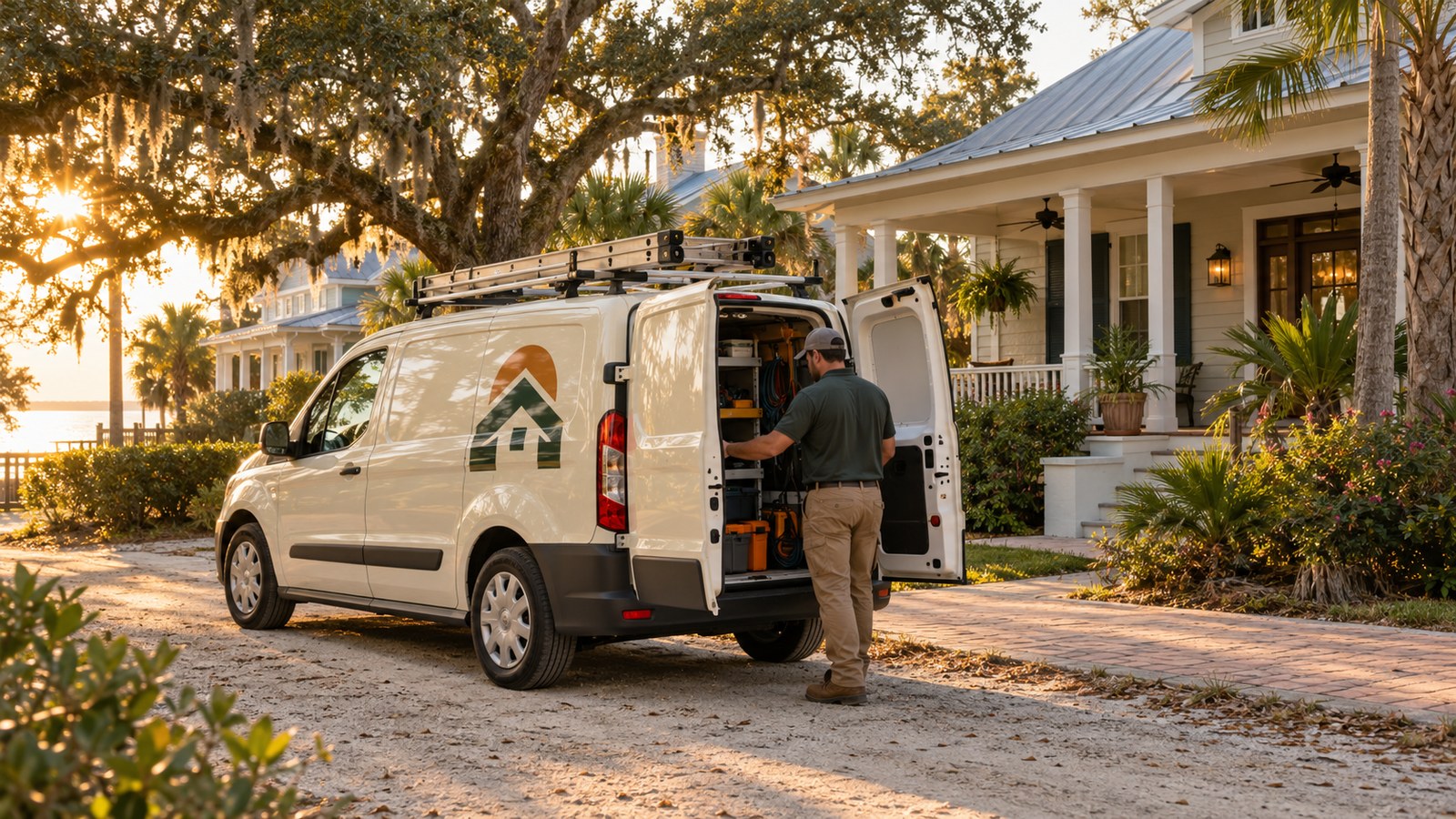
A small town at the top of the county
Century sits well away from the busier parts of the Pensacola area, and residents know each other. That closeness is a strength, and it also leads to habits such as leaving a key with a neighbor or under a pot because everyone is trusted. Trust is good, but keys outlive relationships and circumstances, and they deserve some care.
Because the town is far north, travel to reach it takes longer than to the city. That is simply a fact of geography. When you call, expect a plain conversation about where you are, what the lock is doing and what scheduling is realistic. We confirm availability by phone and never promise an arrival time we cannot keep.
For many households, the most useful service is planning ahead. A visit on a calm day, when you can discuss options and see the work, costs less in stress than a lockout at night. A technician can look at all the doors in one trip and leave you with a clear idea of what matters.
Hardware that has seen decades of use
Homes in older small towns often keep their original hardware, polished by generations of hands. A brass knob that has turned ten thousand times has a feel that new products rarely match. It can also be loose, with a worn spindle or a latch that no longer retracts fully.
A technician can often restore such pieces. Replacing a worn spring, tightening the mounting, or fitting a new latch into the existing body brings a tired lock back to useful life. When parts are no longer made, matching replacements in similar style can usually be found, and photographs help.
The key question is whether the lock still protects the door. A beautiful old lock with a thin latch bolt and a short strike may be easy to force. Adding a modern deadbolt discreetly alongside it keeps the character and raises the security, and it is a common choice in older houses.
Wood frames, old paint and seasonal swelling
Old frames carry many coats of paint. Each coat narrows the gap between the door and the jamb, and in humid weather the wood swells to close what is left. The result is a door that rubs, a latch that drags and a deadbolt that refuses to throw all the way.
The fix is rarely a new lock. A technician looks at the strike and the latch edge, removes built-up paint from the mortise, and repositions the strike if necessary. A small adjustment can restore smooth operation. If the door itself needs planing, a carpenter is the right person.
When you repaint, take the hardware off first. Paint in a latch mechanism causes sticking within a year. Mention it to the technician if a rekey or repair is planned at the same time, and the work can be coordinated to avoid handling the door twice.
Porches, screen doors and side entries
Older homes often have wide porches with screen doors, and screen doors rarely lock well. Their latches are light and their frames flex. They serve as a barrier against insects and a visual signal, but not as protection. The inner door must do the real work.
A technician can strengthen the inner door with a solid deadbolt and reinforced strike. If the porch is enclosed, think of it as an outer layer. A modest lock on the porch door slows a casual intruder, while the main lock behind it carries the weight.
Side entries deserve the same care as the front. A kitchen door facing the yard may be used all day and rarely checked. Make sure it latches, that the deadbolt extends and that the glass, if any, cannot be broken to reach the lock. A keyed deadbolt solves the glass problem.
Rekeying a house that has had many hands
Houses in small communities are often passed down or sold within the community. Keys travel with the stories: a cousin who stayed for a summer, a handyman who worked on the roof, a friend who watered the plants. Nobody remembers all of it.
A rekey ends the uncertainty. The technician changes the pins inside each cylinder, cuts new keys and tests them. Old keys stop working. The hardware stays in place and the look of the door does not change.
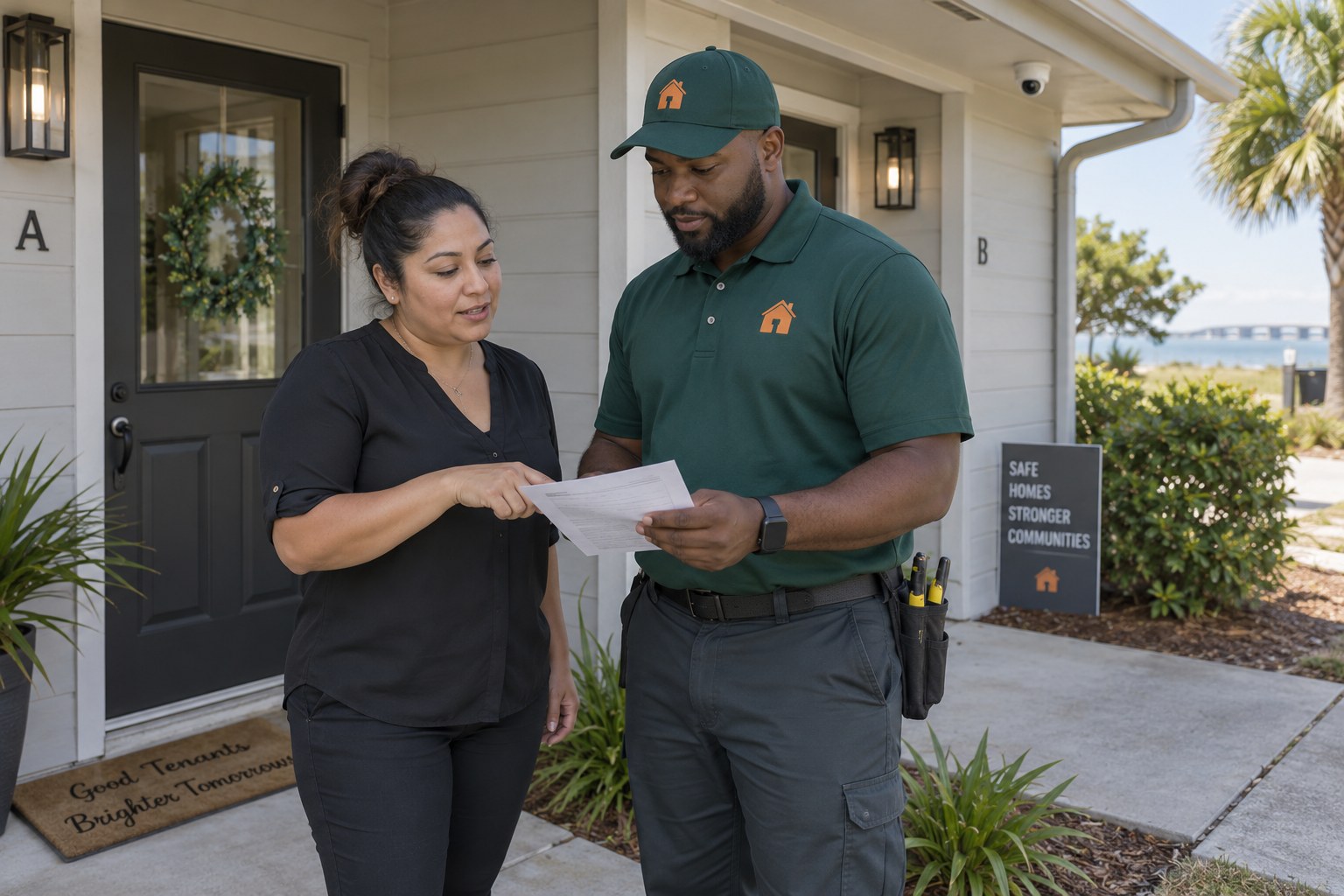
Ownership or authority is confirmed before the work. A deed, a tax notice, a utility bill or other proof tied to the address is normally enough. If the home is in an estate or shared among family, call and explain the situation, and we will tell you what is needed.
Lockouts a long way from town
A lockout in a small town can feel more serious because help is farther away. If you are locked out, call and say where you are, which door is involved and whether anyone is inside. If a child, a pet or a person with a medical need is inside, say so at once.
The technician checks authority on arrival and tries non-destructive methods first. Most residential locks open by picking or bypass. If a lock is jammed, corroded or broken, the technician explains the options before acting, including drilling if it is required and what replacement hardware is needed.
To reduce the chance of repeat lockouts, ask about a keypad lock or a key arrangement that suits your routine. A trusted neighbor with a spare is fine as long as you accept that the key is in their hands, and you rekey if the relationship changes.
Sheds, garages and barns behind the house
Behind many older houses stand sheds and garages full of tools, lawn equipment and household overflow. Their locks are often old padlocks on rusting hasps. Both fail with time, and neither deserves trust after years of weather.
Replace weak hasps with ones that are bolted through the door and cover the shackle. Choose padlocks made for outdoor use. Apply a dry lubricant once a year. These small steps stretch the life of the hardware and make casual theft more difficult.
If a padlock has seized and the key will not turn, tell the technician. Removing it without damage may require patience, and sometimes the hasp must be cut and replaced. It is better to know that before the visit than to find out at the shed door.
Windows and basement access
Older homes may have wooden windows with simple sash latches, or basement windows with no latch at all. Those latches can be forced with a thin tool in seconds. Replacing a worn latch or adding a pin that holds the sash shut is quick and effective.
Basement doors and cellar hatches often have the oldest hardware on the property. A slide bolt on the inside, if it is sturdy and mounted into solid wood, can be a good defense. A technician can check the mounting and replace screws that have worked loose.
Do not neglect the interior. A door between the basement and the main floor can be a second barrier. A simple deadbolt there turns a break-in at the cellar into a dead end.
Smart locks for older residents and their families
Many older residents in smaller towns live independently, and their families want to know they are safe. A keypad lock allows family and caregivers to enter without a key being passed around. Codes can be assigned and removed as circumstances change.
Choose a model with a clear keypad and large buttons. Lever handles are easier than knobs for stiff hands. The technician can explain the codes at the door and make sure the resident feels comfortable with the lock before leaving.
Always keep a mechanical backup, and keep spare batteries on hand. A lock that fails at the wrong moment is worse than one that never had electronics. With sensible preparation, an electronic lock is a helpful tool.
Storm season and aging doors
Storms stress old doors. Hinges loosen, frames flex, and latches that barely hold in calm weather give way in wind. Before a storm, check that each exterior door closes firmly and that the deadbolt seats into the frame.
After a storm, look for shifted doors, cracked trim and bent hardware. If a lock begins to stick, do not force it. Call and describe what happened, and the technician can say whether a simple adjustment will do.
If a door cannot be secured after damage, a locksmith can arrange a temporary fix and then replace hardware. Bring proof of residence. If you evacuated and others had keys, consider a rekey on your return.
Combining repairs into one visit
The long drive to a northern town makes it sensible to bundle work. Before calling, walk through the house and the yard and list everything that needs attention: loose knobs, a sticking back door, a shed padlock, a missing window latch. A single visit can cover all of it.
Tell us about the list when you call. The technician can plan the parts and tools to bring, and give you a more accurate quote. It also avoids the frustration of discovering at the end of a visit that something else could have been handled.
Take photographs if you can. A clear picture of a lock, a door edge or a hasp helps the technician identify what is needed before arriving. It saves time and reduces the chance of a second trip.
How to book a visit in Century
Call us and describe your situation. Mention the age of the home if you know it, the doors involved and the problem. We confirm availability by phone and give a quote for routine work during the call.
For jobs that need a look, a technician visits first. The service call charge is explained before dispatch, and any added work is discussed and agreed with you at the door before it begins.
Have proof of residence or authority ready, along with any keys. Give clear directions and mention gates or unusual turns. The technician checks ownership or authority first, completes the work and tests it with you.
Why quality of installation matters more than the brand name
People often ask which brand of deadbolt to buy, as if the name on the box decided everything. In practice, how a lock is installed matters at least as much. A well-made bolt in a loose door with a short strike screw is weaker than a plain, solid bolt set properly in a sound frame with long screws reaching the stud. Details decide the result.
The technician checks four things on every installation: that the hole in the door is the right size and cleanly cut, that the bolt lines up exactly with the hole in the frame, that the strike plate is set flush and fastened with long screws, and that the lock turns freely with the door closed. If any of these is off, the lock will wear quickly or fail when it matters.
Ask to see the work when it is done. Turn the key several times, close the door gently and firmly, and listen for a clean throw. A good installation feels almost boring: smooth, quiet and the same every time. If it feels otherwise, say so before the technician leaves, so it can be corrected right away.
When a small repair is the honest answer
Some calls end with a quick fix and no new hardware, and that is a good outcome. A key that sticks may need only cleaning. A loose knob may need only tightening. A latch that does not catch may need only a nudge to the strike. A technician who sells you a new lock for every problem is not looking after you.
The reverse is also true. A lock that has failed repeatedly, that feels gritty throughout, or that shows cracks or bending is worth replacing rather than patching again. Repeated repairs cost more over time, and a lock that fails on a cold night is a poor bargain.
You should expect the technician to explain which situation you are in and why. If an explanation is vague, ask for a clearer one. A locksmith's job includes teaching you enough about your own door to make a sensible choice, and in a small town, where people talk, clear and fair dealing is the only approach that lasts.
Rural property lines, long driveways and the locks that serve them
Properties around Century often sit well back from the road, with a gate or chain at the entrance and a long driveway beyond it. That layout changes what a lock is for. The entrance gate is the first line, and a weak padlock or a chain that can be cut quickly offers little. A shrouded padlock with a hardened shackle, set so the body cannot be reached with a cutter, is a better fit. A technician can check how the gate hangs and whether the hasp itself is solid enough to deserve a stronger lock.
Farther in, outbuildings and equipment sheds often share one key or none at all. It is worth deciding which buildings really need to be locked and which can share a key system. Keying several padlocks alike, while keeping the house on its own key, means you carry fewer keys without giving access to the home. If tools or machinery are stored, a door that opens outward with exposed hinge pins is a weakness, and a locksmith can suggest ways to secure the pins or add a second point of closure.
Distance also changes planning. Because a technician travels farther to reach a rural address, it helps to gather everything into one visit. Make a short list of gates, sheds, house doors and any lock that has been giving trouble, and describe each one by phone. Clear directions to the gate, a note about any chain or code needed to enter, and someone present to confirm ownership make the trip smoother. Call to confirm availability, and the charge for any complicated visit is explained before a technician is dispatched.
Church, club and community buildings in a small town
Small towns lean on shared buildings: halls, fellowship rooms, volunteer buildings and storage rooms used by groups that rotate leadership. Keys to such places tend to multiply, and after a few years nobody can say who still holds one. The people responsible usually inherit the problem without having created it.
A locksmith can help the committee or the caretaker by rekeying the doors and cutting a limited, labeled set of keys. A written list of who holds each one is simple and effective. For rooms used by several groups, restricted keyways make copying harder and keep control with the people in charge.
Anyone acting for an organization should be ready to show their authority, such as a letter or a note from a board member. The technician confirms it before working, as with any property. It protects the group as much as it protects the building, and it keeps the handover clean when officers change.
Questions people ask us
Can an old brass lock be repaired instead of replaced?
Often yes. Worn springs, loose mountings and tired latches can be replaced inside the existing body. If parts are no longer made, a matching style may be available. The technician will tell you whether repair is sensible or whether the lock has reached the end of its life.
How do I add security without changing the look of my door?
Add a modern deadbolt discreetly above or below the old lock and fit a long-screw strike plate. The original knob can stay. The technician bores carefully to avoid damaging aged wood, and checks that the frame can hold the new bolt.
Do you travel to the north end of the county?
Call us with your address or directions and we will tell you what is possible. We confirm availability by phone and do not promise arrival times, since distance and scheduling vary. Bundling several jobs into one visit makes good sense for longer trips.
My screen door lock does not seem to do anything. Is that normal?
Yes. Screen door latches are light and meant to keep the door closed, not to resist force. The real protection is the inner door, so a solid deadbolt and reinforced strike there matter most. The technician can advise on both.
What proof do I need for a rekey?
A document tied to the address, such as a deed, a tax notice or a utility bill, along with an ID, is usually enough. For tenants, the landlord's approval is also needed. Call and explain your situation if it is unusual.