
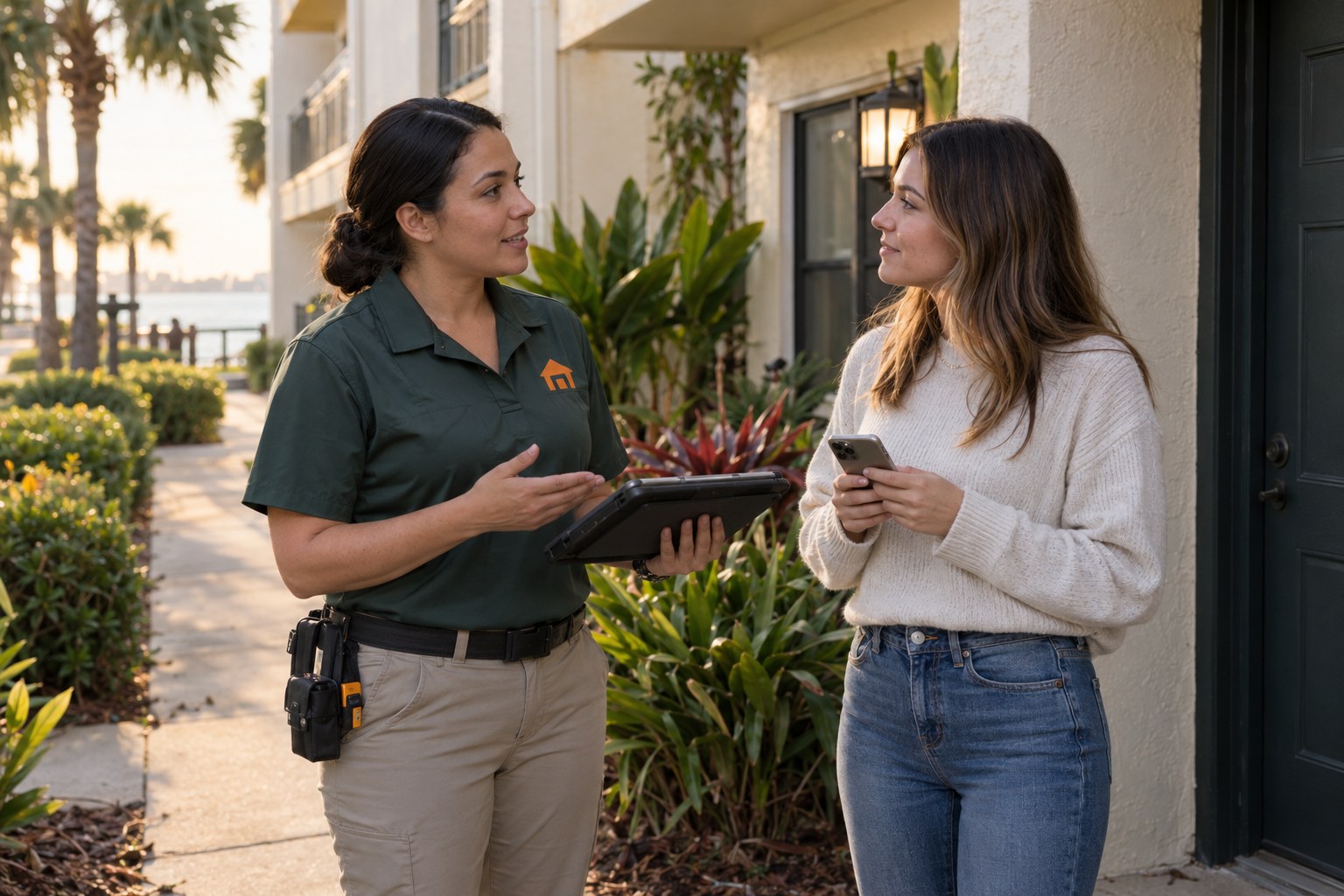
Start with the lease, not the hardware
Most leases say something about locks. Some forbid any change without written consent. Others permit a rekey as long as the tenant gives the landlord a copy of the new key. A few say nothing at all, which leaves the question open. Before you call anyone, read the relevant clauses carefully and, if they are unclear, ask the landlord or manager to confirm in writing.
This matters because an unauthorized lock change can breach your agreement, and it can create practical trouble. If the landlord cannot enter in an emergency, such as a leak or a fire alarm, the tenant may be held responsible for resulting damage or for the cost of forcing entry. Staying within the lease protects your deposit and your standing as a tenant.
It also affects the work itself. A responsible locksmith checks that the person asking for a lock change has authority to request it. A tenant who can show landlord permission will have no difficulty. A tenant who cannot may be asked to obtain it first. That check is for everyone's protection, including yours, because the same rule stops strangers from changing your locks.
Rekeying versus replacing in a rented home
Rekeying changes the internal pins of the existing lock so a different key operates it. The hardware stays the same, which is usually what a landlord prefers, because nothing about the door appearance or fittings is altered. If the lease allows any change, rekeying is the one most likely to be accepted, and it is easily reversed by rekeying back.
Replacing a lock means swapping the whole device. Landlords are generally less comfortable with that, since the door may be marked, the hardware may belong to the landlord, and a different lock may not suit the building system. Where replacement is allowed, ask whether the original hardware must be kept and restored at move out. Many technicians will label and return old parts.
In some buildings, a single key system serves the main entrance, a mailbox, a laundry room and the apartment door. A rekey of the unit door alone may be possible, while shared locks remain under management control. Ask what is under your authority and what is not. The locksmith can then focus on the doors that are yours to change.
When a tenant has a good reason to ask
There are many sound reasons to request a lock change. A key has been lost or stolen, a former partner or roommate still has one, a previous tenant never returned theirs, or you simply moved in and want to know who holds copies. These are reasonable requests, and most landlords understand them, especially when raised calmly and with specifics.
Safety concerns deserve particular attention. If there has been a break in, a threat, or a situation involving a person who should not have access, tell the landlord at once and ask for the locks to be changed. In many places, landlords have duties regarding security, and they may be required to respond. Keep a written record of your request and their reply.
If the landlord is unresponsive, ask what options exist before taking matters into your own hands. A tenant association, a legal aid service or the local housing office can explain your rights. Acting hastily may cost your deposit, while patient, documented requests often lead to action. A locksmith can support you once authority is clear, but cannot override the lease.
Working with the landlord or property manager
A short, polite message works best. State the reason briefly, say what you want to do, and ask for written consent. Offer to give the landlord a copy of the new key or to have the landlord arrange the rekey. Landlords who feel respected and kept informed are more likely to agree, and they appreciate being treated as a partner and not an obstacle.
Some landlords prefer to use their own locksmith, or to rekey all units on a schedule. That is legitimate, and it can be a good outcome for you since the cost may fall on them. Ask who pays and when it will happen. If the schedule is slow and you have a security concern, explain why you need it done sooner.
Keep everything in writing, whether by email or text. When you call a locksmith, show the permission. At move out, a tidy record makes deposit discussions straightforward. If the landlord ever claims a change was unauthorized, you have evidence. A few minutes spent on documentation saves long arguments later, and it shows good faith throughout.
Security you can add without altering the lock
If your lease forbids lock changes, you still have options. A portable door brace or a door jammer, which props under the handle, adds resistance while you are at home. A door viewer or a simple wide angle peephole lets you see who is outside. A security bar for a sliding door and a pin in the track make a real difference.
Reinforcing a strike plate with longer screws is a modest change that many landlords accept, and it improves the door significantly. Ask first, but this type of tightening is often seen as maintenance. Better lighting at the entrance, a clear view of approaches and a habit of using the deadbolt every time are also powerful and cost nothing in permissions.
Consider the whole unit. Windows, balcony doors and any sliding glass need to lock properly. Check that latches work, and ask for repairs where they do not. Keep valuables out of sight from windows. Security is built from many small things, and a rented apartment can be made noticeably safer without touching the main lock at all.
- Portable door brace or jammer for use while home
- Door viewer for seeing visitors before opening
- Track bar or pin for sliding doors
- Longer strike screws with landlord approval
Keypad and smart locks in apartments
Keypad and smart locks tempt many renters, since they remove keys altogether. Some models fit over the existing deadbolt and attach on the inside without removing the original cylinder, which makes them reversible and more acceptable to landlords. Others need the entire lock replaced. Which type you choose determines whether permission is needed.
Consider how the lock interacts with the building. Management may need emergency access, and a lock that only opens with your code can complicate that. Some landlords ask for the code or require a mechanical key backup. Agree this in writing. Also think about batteries, Wi-Fi reliability and what happens in a power outage or a dead battery situation.
For tenants who share a unit, a keypad can make it easier to give each person a separate code, so access can be revoked without chasing a key. That is a real benefit when roommates change. Still, it needs good management of codes and regular battery checks. A mechanical backup remains wise, and the locksmith can advise on suitable models.
Roommates, shared leases and changing occupants
When several people share an apartment, authority over the locks is shared, too. If one roommate leaves, the remaining tenants should talk to the landlord about re keying. A departing roommate who remains on the lease may legally retain access until the lease is changed, so the situation can be less simple than it appears.
Interior bedroom locks can help roommates share a home comfortably. Where bedroom doors have locks, each person can hold a key, and an interior rekey is a minor job. Check that this is permitted, and always keep the ability to open the door in an emergency. Passage and privacy sets with an emergency release are common for this reason.
Make shared decisions in writing where possible. Agree how many keys exist, who holds them, and what happens at move out. A simple note shared among roommates prevents confusion. The locksmith will ask for authority from the people on the lease, so a joint request, or the landlord's approval, makes the process smooth and respects everyone involved.
Lockouts and emergencies in an apartment
Being locked out of an apartment is common. Before calling a locksmith, consider whether the landlord, a manager or a neighbor with a spare key can help. If not, a locksmith can often open the door without damage. The technician will ask for proof of residency, such as identification showing the address or a lease, before opening.
That requirement is for everyone's safety. It prevents a stranger from persuading a locksmith to open someone else's home. If you do not have documents with you, there may be other ways to show you live there, like a utility bill on your phone or confirmation from the landlord. Explain the situation when you call, and we will tell you what is acceptable.
If the lock is damaged during the lockout, the lease may determine who pays for the repair. Report the damage to the landlord promptly. A tenant who is open about problems usually has an easier time than one who tries to hide them. Call us to confirm availability, and have your lease or identification ready for when the technician arrives.
Older complexes and coastal humidity
Apartment complexes in the Pensacola area vary from older buildings with original hardware to newer developments with modern systems. In older ones, locks can be worn, doors can be uneven, and frames can be soft. A tenant who notices a sticking lock should report it to the landlord, who is generally responsible for maintaining working locks on entry doors.
Humidity and salt air affect everything, particularly units near the water or with exposed walkways. Corrosion on doorknobs, latches and strike plates is common. A lock that gets stiff in summer humidity may need cleaning or replacement. Put the request in writing, and follow up. Proper maintenance is a landlord duty, not an upgrade the tenant must buy.
Storm season brings its own concerns. Doors can swell, and balcony doors may leak. After a heavy storm, check that every lock still works smoothly. If a lock jams or the door will not close, notify the landlord at once. Good records of when you reported the problem protect you if any damage arises from an unsecured unit.
Students, military tenants and short stays
The Pensacola area has a large number of students, service members and seasonal residents, many of whom rent for short periods. Short leases mean frequent turnover, and previous occupants may have shared keys widely. If you are moving into a unit that has turned over often, it is reasonable to ask the landlord when the locks were last rekeyed.
If you are on a short lease, avoid investing in hardware you will leave behind. Portable measures such as a door brace, a track bar for sliding doors and a viewer fit well. A reversible, over the deadbolt smart lock may suit if the landlord agrees. Keep receipts and hand everything back to the landlord in the same state you found it.
If you are deployed or away for long periods, think about who has access. A trusted friend or relative may need a key to check on the unit. Consider a key safe if the landlord permits it. Make sure your landlord knows how to reach you, and that your emergency contacts are current, so your home is looked after while you are gone.
Move in day checks every renter can do
On the day you receive the keys, test every one of them. Try each key in the entry lock, the deadbolt, the mailbox and any other lock you were given. A key that works stiffly or only after wiggling is a sign of wear, and it is far easier to report on day one than six months later when the landlord may wonder whether you caused it.
Look at the door and frame. Check that the door closes without being forced, that the deadbolt extends fully, and that the strike plate is firmly screwed in. Note anything loose or damaged in the move in inspection report and take dated photos. These records protect your deposit and give you a basis to request repairs that are properly the landlord's responsibility.
Ask the manager directly when the locks were last rekeyed and how many keys exist. Landlords vary in how openly they answer, but the question is reasonable and the reply is informative. If the answer is unclear or unsatisfactory, request a rekey in writing. Raising it at the start of a tenancy feels far more natural than raising it after something has gone wrong.
Writing down the lock you have before you ask for any change
Before you contact a landlord or a locksmith about an apartment door, spend ten minutes recording what is actually there. Photograph the front of the deadbolt, the knob or lever, and the edge of the door where the latch sits. Note whether the key turns smoothly, whether the door closes without a lean or a shove, and whether the deadbolt throws all the way into the frame. These small notes turn a vague complaint into a clear request that a property manager can approve quickly.
The record also protects you at the end of a lease. If a lock was already stiff or the strike was already loose on move in day, a dated photo shows that you did not cause it. Keep the images in a folder on your phone with the lease paperwork. When a technician visits, hand over the same details and the work starts from facts instead of guesses about brand, age and condition.
Add a short list of every key you were given: front door, mailbox, laundry room, gate, storage unit. Counting them at the start shows you which locks are part of the building system and which belong only to your unit. That matters because a master keyed or building wide lock may be off limits to any change by a tenant, while a single unit deadbolt often can be rekeyed once the landlord agrees in writing.
Getting help with an apartment lock change
When you call, tell us your situation honestly: whether you rent or own, whether the landlord has agreed, what you want changed and why. Quotes are given by phone. If the situation is complicated, such as a damaged door or unclear authority, a technician visits and the service call charge is explained before dispatch.
Have your lease, identification and written permission ready. Know how many locks and keys are involved. Call us to confirm availability for your area and preferred time. If the lock is on a shared system, check with the landlord before booking, as some doors may be outside your control.
After the work, keep the new keys secure and give the landlord their copy if required. Keep the receipt and the permission in your records. At move out, return everything as the lease requires. Handled calmly and openly, a lock change in a rental can improve your security and your peace of mind without any damage to your tenancy.
Questions people ask us
Can a renter rekey an apartment lock without asking?
Usually not. Most leases require written consent, and unauthorized changes can breach the agreement and lead to deposit disputes. A locksmith also checks authority before working. Ask your landlord first and keep the permission in writing.
Is rekeying easier to get approved than replacing?
Often yes. Rekeying keeps the existing hardware and can be reversed, so landlords tend to be more comfortable with it. Replacement may need approval and sometimes requires keeping the original parts for move out.
What can I do if my landlord says no?
Use measures that do not alter the lock, such as a door brace, a viewer, a track bar for sliding doors, and good lighting. If you have a safety concern, put it in writing and consider asking a tenant organization or legal aid service for advice.
Can I use a smart lock in my apartment?
Some models fit over the existing deadbolt and are reversible, which may be acceptable to your landlord. Get permission first, agree how management can access the unit in an emergency, and keep a mechanical backup.
What does the locksmith need if I am locked out?
Proof that you live there, such as identification showing the address, a lease or a utility bill, and sometimes landlord confirmation. This protects residents. Call us to confirm availability and we will explain what to have ready.