
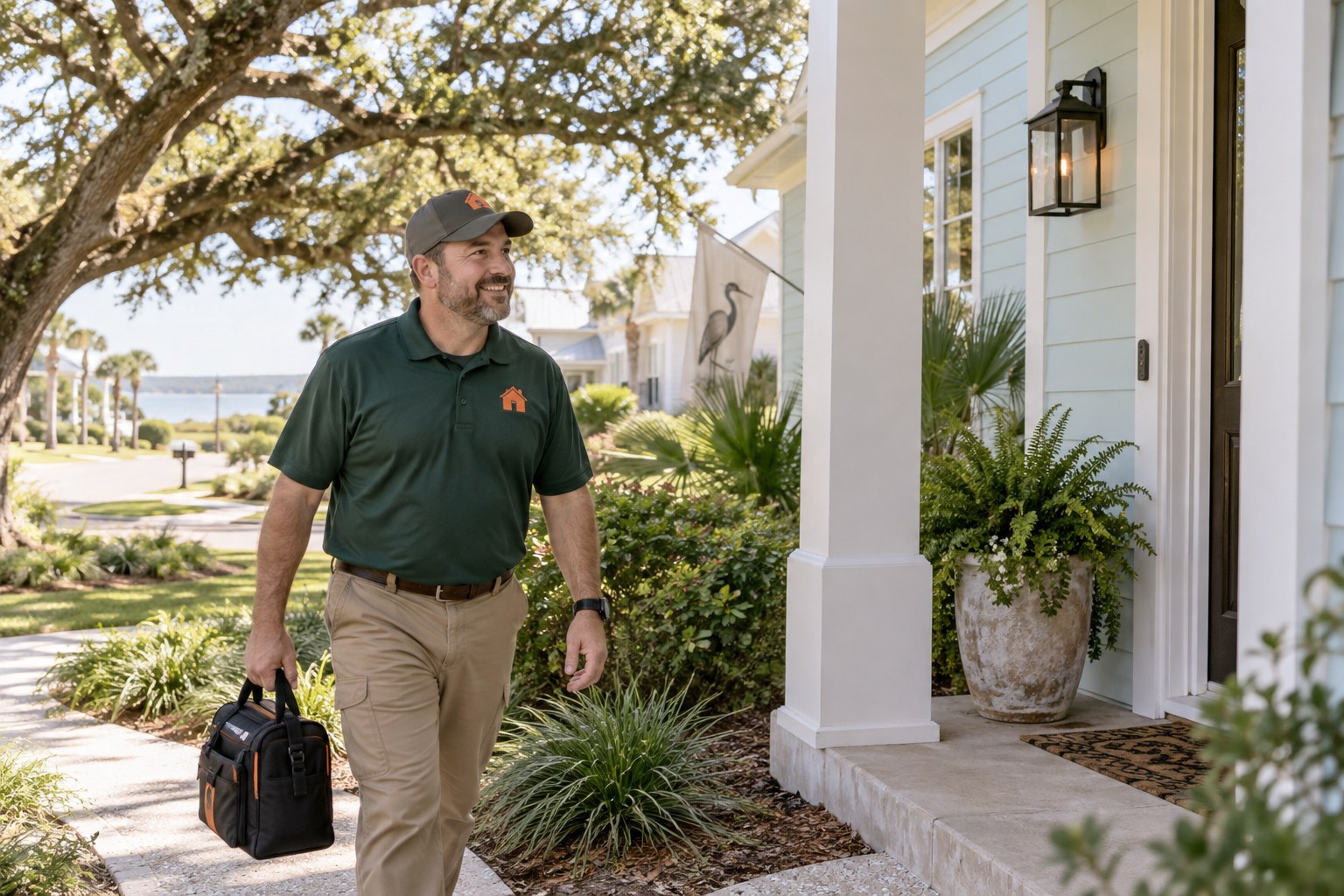
Builder-grade hardware and what it means for you
Homes built in a hurry or on a tight budget often leave the factory with entry sets chosen for price. They work on day one, but their finishes are thin, their springs are light and their screws are short. Years later, the knob sags, the deadbolt drags and the key leaves a shiny trail of brass. That is not a defect. It is the normal life of inexpensive hardware.
The good news is that these locks are easy to service or replace. They use common bore sizes and common keyways, so a technician usually has a matching part in the van. Upgrading to a better grade often costs only a little more than repairing the old lock and gives you a heavier bolt and stronger internals.
Builder locks have another quirk: the same keyway is often used on many houses from the same developer. That does not mean your key opens your neighbor's door, but it means that the possible key combinations are limited. A rekey with a fresh set of pins changes that.
Tell us the age of the home and the brand of lock if you can read it on the latch edge. That helps us predict what we will find.
Two-story homes and upstairs doors
Taller houses have more doors to think about. A balcony door, an upstairs deck door and a second-floor sliding door are all openings that people forget. A ladder, a porch roof or a nearby tree can give access, so the locks on these doors deserve the same respect as those at ground level.
Check each upper door for a working latch and a lock, and for a solid frame. Many upstairs doors are patio style, with a small hook latch that holds the door against casual pressure only. A secondary lock or a track bar improves things.
Windows above ground floor need locks too. If you have windows that open onto a porch roof, make sure the latches work and the screens do not hide a broken lock.
We can walk you through a simple inspection or perform one on site and give a list of what to fix.
Garage entries and the connecting door
A attached garage is a convenience and also a path into the house. The door between the garage and the living space deserves a solid deadbolt, because the garage door itself might be open for hours on a typical day. Many homeowners leave the connecting door unlocked for family convenience, and that habit undermines the whole point of a garage.
If you want convenience without exposure, consider a keypad deadbolt on the connecting door, with codes for family members. The door locks automatically when it closes, and no one needs a key. Alternatively, keep a key on a hook inside the garage at a height that is not visible from outside.
Garage door openers have codes of their own. If a remote goes missing, change the code. If you move in, reset it. Instructions are in your opener's manual, and we can advise when you call.
The side man door of the garage is another point to check. It often has a basic lock and a thin door, and it can be a quiet way in.
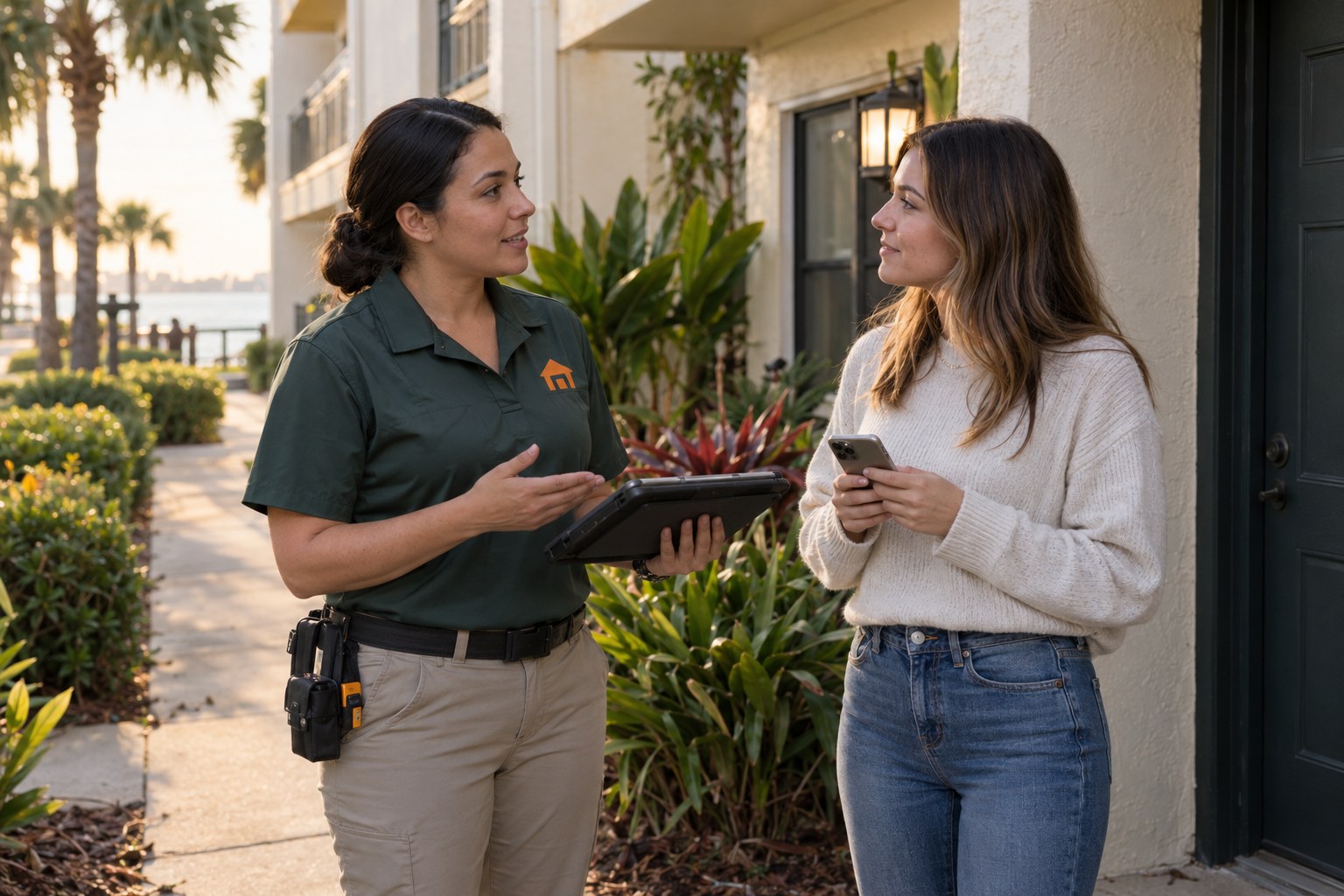
Apartments and renters in the area
Apartments in the area range from older garden complexes to newer buildings with controlled access. Unit doors usually have a keyed lock, a deadbolt and sometimes a chain or viewer. Tenants often ask what they are allowed to do about security.
The answer depends on the lease. Many allow a tenant to add a chain, a door stop or a portable lock for travel. Changing the cylinders usually requires the landlord's permission, and the landlord may insist on holding a key. If you want a rekey, ask management to arrange one.
Property managers who ask us to rekey a unit receive a tidy service: each lock is rekeyed, keys are labeled and the job is documented. For many units, we can discuss a master key system so the manager has one key that opens every unit.
If you are locked out, we help after confirming that you live there. Management may need to approve entry, and we work with that.
Smart locks and connected doors
Newer subdivisions are full of smart home gadgets, and door locks are among the most popular. A smart lock can share codes, report who comes and goes and lock itself on a schedule. The convenience is real, but so are the tradeoffs.
A smart lock relies on batteries, a clean installation and sometimes a network. If the door is not square or the strike is misaligned, the motor strains and the lock fails early. A technician checks the door first, then installs and tests.
Plan for failure. Keep a mechanical key somewhere safe, know how to use any override and replace batteries early. Do not rely on a phone alone to enter your home. A dead phone is a common cause of lockouts.
If you have a smart lock that is acting up, call and describe the symptoms. We can often tell whether the problem is power, alignment or the lock itself.
Moving into a newer home
A newly built home may have had many people inside it before you: builders, inspectors, painters, cleaners and agents. Each may have held a key or a lockbox code. A rekey when you take possession is a smart reset, and it is quick.
Ask the builder for all keys and record how many you received. Test each key in each lock. If any fails, tell the builder or have a locksmith assess it.
For homes with keypad garage entries or smart locks, change the default codes immediately. Factory codes are widely known.
We rekey only after confirming ownership or authority. Bring your closing documents or lease.
Reading the signs of a failing lock
Locks seldom fail without warning. A key that needs a wiggle, a deadbolt that takes a second try and a handle that droops are all early signs. Catching them early often means a simple repair instead of an emergency.
Look also at the door. Gaps that vary, a latch that does not meet the strike and scuff marks on the edge point to alignment problems. These are fixable and often cheaper than a new lock.
Listen for sounds. A grinding noise as the key turns, a rattle in the handle and a click that does not quite complete all suggest worn parts.
Call when you notice. We can tell you over the phone whether it is urgent.
Lockouts: how it goes
If you are locked out, check for another way in, such as an unlocked window or a family member with a key. If none, call us with the door type and details.
We ask whether the door is locked with a deadbolt or only latched, whether the lock is a knob or lever and whether anyone is inside. We confirm availability and give a quote by phone.
The technician verifies ownership or authority, chooses a non-destructive method and opens the door. If the lock is damaged, we explain options before replacing.
Afterward we test the lock and check the strike. We want the door to work properly.
Front porch packages, doorbells and the first line of the house
The front of a newer home is where daily life meets the street, and it is where deliveries pile up, doorbell cameras watch and visitors decide whether the house looks cared for. A well-kept entry tells passersby that someone pays attention. A loose handle, a faded deadbolt and a sticking door tell them the opposite. Fixing small signs of neglect is a quiet form of security, because it shows that the household notices things.
Think about visibility. A deadbolt that sits at a comfortable height, a porch light that works and a door that closes smoothly are all part of the picture. If the door has glass panels or sidelights near the lock, consider how someone might reach through a broken pane to turn a thumb latch. A double-cylinder deadbolt solves that but creates a fire-escape concern, so many homeowners choose security film on the glass or a decorative grille instead.
If you receive many deliveries, a locked parcel box or a trusted neighbor can reduce the temptation to leave the door unlocked for the driver. Small habits like these change how safe the house feels.
We can assess your front entry as a whole during a visit, looking at lock, door, frame and glass together, and then suggest practical steps. You choose what to do, and we quote by phone first.
New keys, old habits: managing a growing household
Younger families in newer neighborhoods tend to grow, and so does the number of people who need keys. A new teenage driver, a grandparent who comes to stay, a nanny and a pet sitter all want access. Handing out copies of one key is easy and almost impossible to track. Every extra copy is another that can be lost or duplicated without anyone knowing.
A better plan is to decide who gets permanent access and who gets temporary access. Permanent access means a physical key or a personal keypad code. Temporary access means a code that expires or one that you delete after a visit. Many keypad and smart locks support several codes at once, and that feature is worth using.
If you prefer metal keys, consider a restricted keyway, which limits who can duplicate your key. These require proof of authority to copy, so a stray copy is harder to make. They cost a little more, and they are a good fit for households that want tighter control.
Tell us how your household works and what you worry about. We will help you design a key plan that matches, and we will explain the options clearly before you decide.
Doors that stick, slam or will not latch in newer construction
New houses settle. Over the first few years, framing dries, foundations shift a little and doors that fit perfectly at closing start to rub or gap. A latch that once clicked softly now needs a shove, or the bolt no longer lines up with the strike. People often blame the lock when the real cause is the building moving.
A technician diagnoses this by watching the latch as the door closes. If the latch hits the strike plate above or below the opening, the strike needs to move. If the door rubs the frame, the hinges may need shimming or tightening. Many of these adjustments are quick and leave the lock in place.
Humidity adds to the movement. In the summer months, doors swell and the gap narrows. In cooler months, the gap opens. Setting the strike for the average condition gives a reliable latch in both seasons.
If your new home has a door that will not latch, call and describe the pattern. Tell us whether it is worse in certain weather. That information helps us decide what to bring, and we quote the visit by phone.
Storm season checks for a newer house
A newer home is built to modern wind standards, but doors and locks still need care. Before the season, test each exterior door for a firm latch and a bolt that seats fully. A door that closes loosely can flex in strong wind, and a bolt that barely catches the strike can slip. Adjusting the strike and tightening hinges takes a few minutes and adds real holding strength.
Check the weatherstripping along the bottom and sides. A worn seal lets wind-driven rain under the door, and the water can swell the base of the frame and affect the lock over time. Replace seals that are cracked or flattened, and make sure the new one does not stop the door from latching.
If you plan to evacuate, think about the garage and the connecting door. Make sure every door locks and that you have a plan for who holds spare keys. Keypad users should replace batteries before the season so the lock does not fail in the middle of a storm.
After the weather has passed, test each lock again. If a key sticks or a deadbolt will not turn, call before forcing anything.
A walk through the door-by-door checklist for a Cottage Hill house
Homes in Cottage Hill range from established houses with mature landscaping to newer additions on nearby lots, and the lock work follows the age of the house. A technician starts the visit at the front door, then makes a loop of the exterior, noting every keyed opening. The loop usually includes the front door, a kitchen or side door, a garage entry, a patio slider, and sometimes a detached workshop, each with its own wear pattern.
Each door is tested without removing anything first. The key is inserted and turned a few times to feel for roughness. The bolt is thrown with the door open to confirm it moves freely, then with the door closed to see whether it lines up with the strike. A bolt that drags only when the door is shut points to alignment, not a failing cylinder, which saves the cost of a part you did not need.
The visit ends with a short summary. Which cylinders are sound, which should be rekeyed, which hardware is worn out, and what can wait. That list is helpful because homeowners often prefer to stage the work, doing the doors that face the street now and the others later. Before any rekey, the technician confirms you own or are authorized to change the property. Call us to ask about scheduling for your Cottage Hill address.
Bring the keys you already own to the walkthrough, including the ones you suspect are duplicates or forgotten. The technician can test each one on the doors, identify which ring belongs to which lock, and point out copies that are wearing out. It is common to discover a key that opens nothing at all, which can be set aside or discarded. Having every key in one place turns an uncertain pile into a clear inventory.
Preparing for a visit and what the technician will explain
A little preparation makes a visit smoother. Clear the area around the door, put pets in a safe room and gather any keys you have, including broken ones. Have identification or a lease ready to show that you live or own the property. If you rent, have the landlord's contact information handy in case we need to confirm authority.
The technician starts by looking at the door and lock, then explains what they see. They tell you whether the issue is a worn cylinder, a misaligned strike or a damaged latch, and they outline the options. You will hear the quote before work begins, and if the job turns out to be complex, the service call charge for a visit is explained before dispatch.
During the work, ask questions. A technician who explains what they are doing helps you understand how your lock works and how to care for it. They test the finished lock several times and show you how it should feel.
After the visit, keep any paperwork and extra keys in a safe place. If anything seems off in the days that follow, contact us. We want the job to hold up.
Questions people ask us
Do you serve Cottage Hill?
Yes, our mobile service covers Cottage Hill and the wider Pensacola area. Availability changes, so please call to confirm for your address. Describe the door and problem and we will quote by phone before dispatch.
Is builder-grade hardware worth replacing?
Often yes, especially on the front door and the garage entry. Better hardware has a stronger bolt and sturdier internals, and the cost difference can be modest. We assess your current lock and tell you honestly whether a repair or an upgrade makes sense.
Can you fix a smart lock that stopped working?
Often. We check batteries, door alignment and the strike, since misalignment strains the motor. If the lock itself is faulty, we explain options. Always keep a mechanical backup key available.
How do I secure the door from the garage?
Use a solid door with a quality deadbolt and a strong strike, and keep it locked even when the garage is in use. A keypad deadbolt adds convenience. We can inspect the door and fit hardware that suits it.
What do you check before opening a door?
We confirm ownership or authority, usually with identification showing the address, a lease or a similar document. This protects the people who live there and applies to every home we open.