
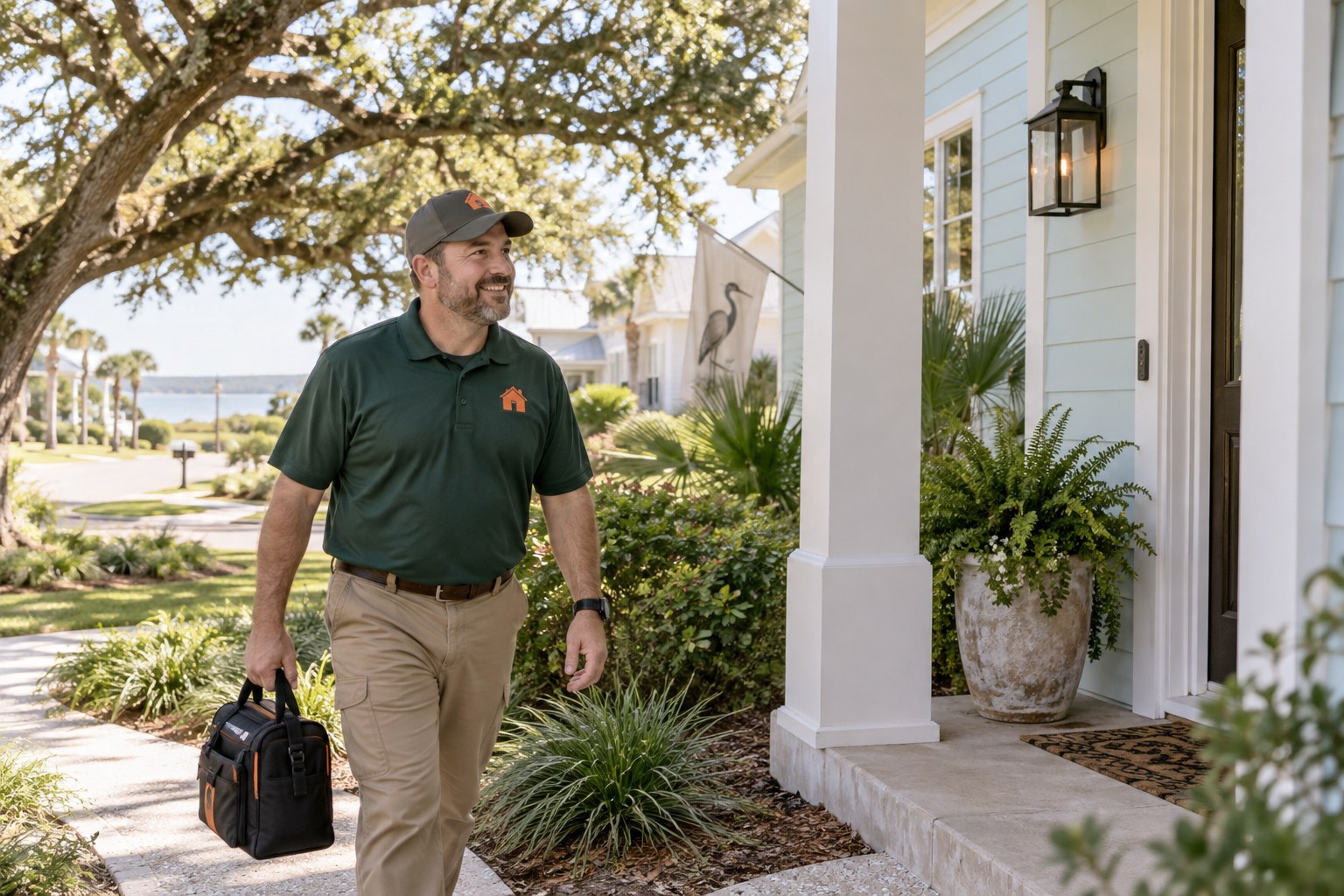
A river town with layers of history
Milton grew up along a river, and its older neighborhoods still show it: mature trees, front porches, houses that have been renovated several times by owners with different tastes. Walking those streets, you see doors of all ages, from original wood to modern steel, and often both on the same house, because a back or side entry was replaced long before the front.
That layering matters for locks. A technician sees a front door with a decorative lockset from one era, a back door with a plain deadbolt from another, and a side porch door with a latch that nobody remembers installing. The keys to these locks have passed through many hands, and there is rarely a record of how many copies exist.
The work of a locksmith in such a place is part repair, part tidying. Fix what is worn, retire the keys no one can account for, and bring the house to a state in which the owner knows how it is protected. It is practical work, done at the door, with respect for the house.
Wood doors, river humidity and seasonal movement
Wood doors respond to humidity, and a town near a river has plenty of it. In summer the doors swell, in cooler dry spells they shrink, and the gap around the latch changes with them. A deadbolt that throws easily in January may bind in August, and owners often assume the lock is failing when the door is simply moving.
The first step is to look at alignment. Is the bolt meeting the strike hole squarely? Is the door rubbing at the top or the latch side? Is a hinge screw loose? Small corrections to the strike or hinges often restore smooth action without new hardware. If the wood itself needs planing, a carpenter is the right tradesperson.
Sealing the edges of a wood door, including the top and bottom, reduces how much moisture it absorbs. Ask the technician to remove the lock and strike before painting so the finish does not clog the mechanism. A little coordination at that moment saves frustration for years.
Mortise locks and decorative hardware
Some older Milton homes have mortise locks, where the latch and bolt sit in a pocket cut into the edge of the door, with decorative knobs and plates on either side. They are robust and attractive, and many can be repaired. Parts are less common than for modern locks, so a technician may need to identify the make from photographs.
If a mortise lock is worn but sound, the technician can often clean, lubricate and adjust it, replace springs and fit a new cylinder. If it is damaged beyond reasonable repair, replacements that preserve the appearance can be sourced. Adding a modern deadbolt alongside is another way to improve security while leaving the original in place.
Photographs help a great deal. Photograph both faces of the door, the edge with the latch and the key. If there is a maker's name on the faceplate, include it. The more detail you give when you call, the better prepared the technician will be on arrival.
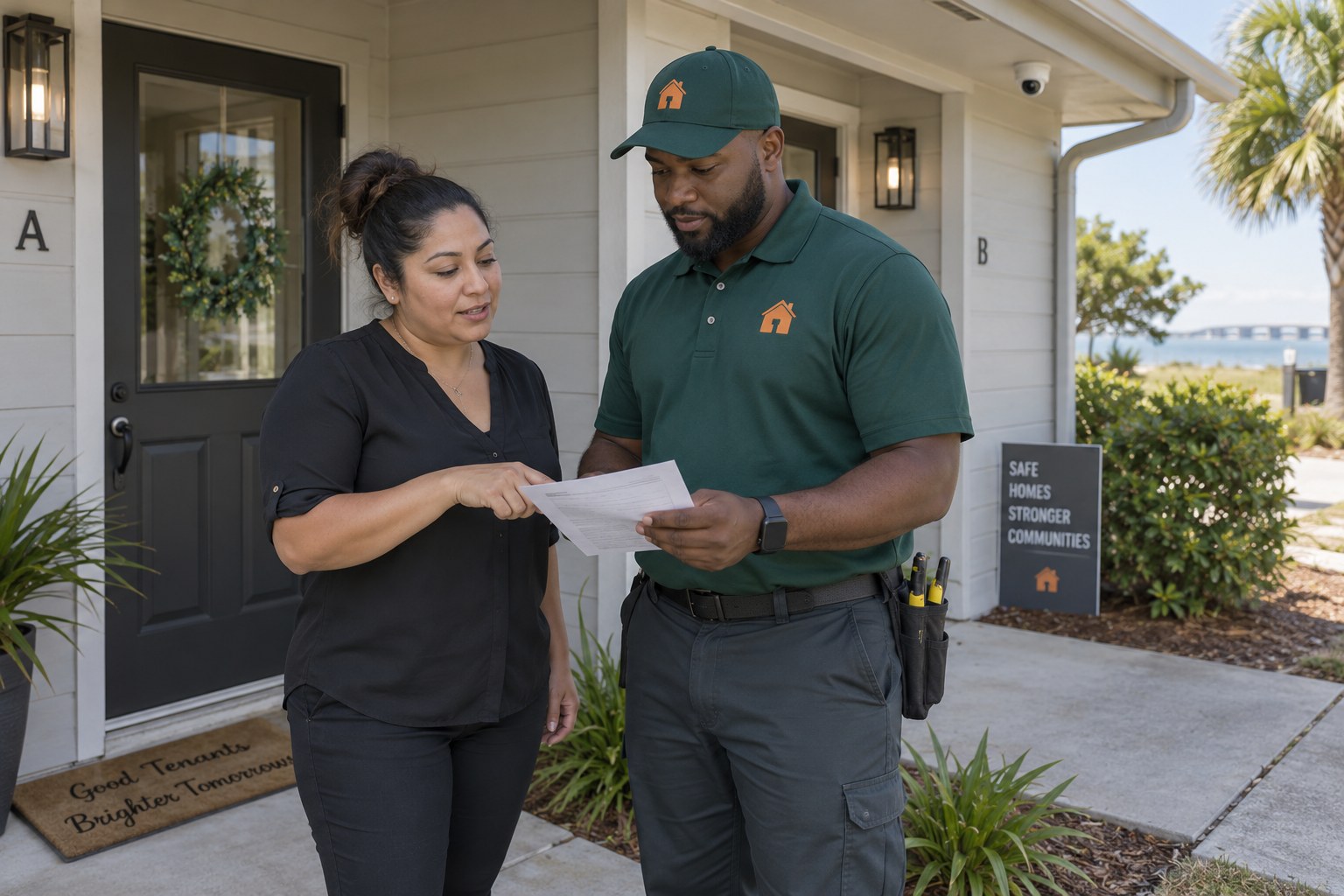
Buying an older home: what to do about keys
When you buy an older house, you inherit its key history. Previous owners, family members, repair crews and caretakers may have had copies of keys that fit the exterior locks. The longer the house has stood, the longer that list is likely to be.
A rekey is the sensible first step. The technician rekeys each exterior lock, including side doors, porches, basements and outbuildings, so that only the new keys work. If the existing hardware is sound, it stays. If something is worn out, the technician will say so and offer options.
Ownership is confirmed before work, and a closing document or deed will do. Bring it to the visit, along with any keys you were given at closing, and the technician will test them and tell you whether they match the locks.
Adding a deadbolt to an older door
Some older doors have only a spring latch, which can be slipped with a thin tool. Adding a deadbolt makes a notable difference. The installation requires boring two holes in the door, one through the face and one in the edge, and doing so cleanly in old wood demands care to avoid splitting.
The strike is the other half. In an old frame, the wood behind the strike may be soft or cracked. A technician sets the strike into solid material with long screws, and may reinforce the area with a metal plate. This is where many homemade installations fail.
If the door is thin or hollow, a deadbolt alone may not be enough. The technician will advise honestly. Sometimes the answer is to reinforce the door, and sometimes it is to replace it. Either way you will hear it explained.
Lockouts in older homes
Lockouts in older houses can be tricky because the hardware is unusual. A technician identifies the lock first and chooses a method least likely to cause damage. Many older locks open with picking, and others require different approaches, such as bypassing the latch.
Authority is checked before opening. A document, ID or call to the owner will do. In an older house, where ownership may be shared among family members, call and explain the situation, and we will tell you what we need.
After the door is open, the technician inspects the lock and tells you honestly whether it needs repair. Call to confirm availability, because scheduling depends on where technicians are working.
Porches, screen doors and side entries
Porches are a feature of many Milton homes, and they carry their own lock questions. A porch door with a screen has a light latch that is meant to close, not to resist. The inner door must carry the real protection.
Strengthen the inner door with a solid deadbolt and a reinforced strike. If the porch is enclosed, treat the outer door as a first barrier and the inner as the second.
Side doors, often leading to kitchens, get heavy use and deserve a lock that matches. If the door has glass near the lock, a keyed deadbolt keeps a broken pane from giving access to the thumbturn.
Windows and old latches
Wood sash windows have simple latches that can be forced with a thin tool. Replacing worn latches or adding a pin that holds the sash shut is quick and effective. For ground-floor windows facing the back, it is worth doing.
Basement and crawlspace access points are often the weakest. A slide bolt or hasp mounted in solid wood, with long screws, helps. A technician can check these during a visit.
Do not forget attics or upper-floor porches reached by exterior stairs. A door at the top of a staircase is often forgotten and rarely checked.
Rental houses and converted homes
Older homes are often divided into apartments or rented as houses. Each unit needs its own lock plan. A tenant should have a key to their own entrance, and the landlord should control the shared areas.
A technician can rekey between tenants and label keys by unit. For converted homes, the entrance doors may be unusual, and the technician will adapt.
Authority is confirmed before work. A manager acting for an owner should be ready to show that authority, and tenants should ask the landlord for approval before any change.
Smart locks in a historic setting
Owners sometimes hesitate to put a modern keypad on an old door. Many models are discreet, and some can be fitted without changing the look from the outside. The choice depends on the door and the owner's taste.
If you prefer to keep the original hardware visible, a keypad on a less prominent door, such as a side or back door, is a compromise. The technician can suggest models that fit.
Always keep a mechanical backup. Old doors may shift, and a keypad bolt needs good alignment. The technician checks the fit before installing.
Hurricane season and old frames
Older frames may be less rigid than new ones, and wind loads test them. Before a storm, check that each door closes firmly and that the deadbolt extends fully. Loose hinges and cracked trim are worth fixing.
After a storm, inspect every door. Frames may have shifted, and locks may bind. Do not force a stiff lock; call and describe it.
If a door is damaged, a locksmith can arrange a temporary fix and replace hardware. Bring proof of residence, since ownership is checked before any work.
Booking a visit in Milton
Call us and describe the job. Mention the age of the home if you know it, the lock type and the problem. We confirm availability by phone and give a quote for routine work during the call.
Harder problems, like a seized cylinder or a frame that no longer lines up with the strike, usually need eyes on the door first. A technician makes a diagnostic visit, and the reason for the trip charge is laid out before the vehicle leaves. If more repairs turn out to be necessary, they are described to you at the door and begun only after you say yes.
Have proof of residence or authority ready, along with photographs of any unusual hardware. The technician checks authority first, completes the work and tests it with you.
Keys that have been copied too many times
In a house that has been in a family for decades, the keys are often copies of copies. Each copy is made on a machine with slight tolerances, and small errors add up. The result is a key that fits loosely, turns only with a wiggle and wears the pins inside the lock faster than a clean key would.
If you notice that one key works better than another, the lock may be fine and the key worn. A technician can cut a fresh key from the lock itself, or rekey the cylinder to a new pattern and cut clean keys from it. The change in feel is often immediate, and the lock lasts longer because the pins are no longer being dragged.
Retire the worn keys. Keep one good original in a safe place and make copies from that, or ask the technician to cut a few at the visit. A little care in how keys are copied saves repairs later and avoids the sticking that sends people to the door with a can of oil.
Storm doors, jalousie panels and enclosed porches
Older houses often have storm doors and sometimes jalousie or louvered panels that let in air. These are not security features. Their latches are light, and glass slats can be removed or broken. The lock behind them has to do the job on its own.
If your porch uses louvered or glass panels, think about how a person standing on the porch could reach the inner door's lock. A deadbolt with a keyed inner cylinder is safer when there is glass within reach. Where the panels can be replaced with solid material near the lock, that helps too.
A technician can look at your porch and tell you where the weak points are. Often the answer is simple: a stronger inner door lock, a better strike, and a latch on the storm door that closes firmly in the wind. Small changes, thoughtfully made, are usually enough.
Estates, shared family homes and unclear ownership
Older homes sometimes pass through estates or are shared among siblings and cousins. When someone needs a lock changed in such a house, the question of authority becomes real. A locksmith cannot change locks at the request of a person who has no clear right to do so, and the check exists to prevent exactly that.
The best preparation is paperwork. A deed, a letter from an attorney, or a document that shows the person is the owner or the authorized representative makes the visit smooth. If the situation is unclear, call and explain, and we will tell you what is needed before scheduling.
This is not meant to make life harder. Disputes over family property can be painful, and a lock change in the wrong circumstances can make them worse. A clear authority check protects everyone involved, including the person who calls, and keeps the work on solid ground.
Garages, sheds and workshops behind older houses
Behind many older Milton homes stand garages, workshops and sheds, some nearly as old as the house. Their doors are often wood with simple hasps and padlocks, and the contents range from lawn tools to valuable equipment and family keepsakes. These buildings are usually out of sight of the street, which makes them attractive to anyone looking for an easy target.
A heavy hasp bolted through the door, a protected padlock and a sound frame turn a weak building into a harder one. If the door is old and thin, a metal plate around the lock area adds strength. Choose outdoor-rated locks, because wood buildings are damp and plain steel rusts quickly.
Take a moment to think about what you store. Items you would hate to lose deserve a second lock, a cabinet or a place indoors. A technician can look at each building and suggest improvements that match its value and your habits, without overselling.
Keeping the original character while quietly improving security
In an older town, many owners want their homes to keep their look. Brass knobs, worn thresholds and original glass panels are part of what makes the house special. Security upgrades do not have to change any of that. Often the most effective improvements are the ones nobody notices: longer screws in the strike plate, a reinforced jamb behind the old trim, a deadbolt placed where the door is strongest, or a cylinder replaced inside a case that looks original.
Where a change would be visible, we talk it through. A modern deadbolt with a plain finish can be placed on the edge of a door and still look at home if the color matches. A keypad can be hidden on the inside of a side door. A lock cylinder can be swapped inside a vintage escutcheon. We bring samples of finishes where possible so you can judge them in the actual light of your entry.
If the house is protected by a local preservation guideline or you are unsure what changes are allowed, check with the relevant body before work begins. Photographs of the door before and after are useful for your records. Tell us about any original parts you want to keep, and we will store them safely and label them. A careful approach keeps the door recognizable, and the house just as welcoming, while giving you hardware that works for modern life.
Making a plan for the whole property
Large older properties reward a simple plan. List every door, gate and building. Note what each protects, who uses it and what lock it has. Rank them by how exposed they are and how much you would mind losing what is inside. That list tells you where to spend attention first.
Share the list with the technician at the visit. Together you can decide which locks to rekey, which to repair and which to replace. You can also decide how to group the keys, so that family members and helpers carry only what they need. A plan makes the work cheaper in effort and more useful in result.
Revisit the plan once a year. Add new buildings, remove old ones, and note any lock that has started to stick. A yearly review takes an hour and prevents most emergency calls. When something does go wrong, you already know what you have and can describe it clearly.
Questions people ask us
My old mortise lock is worn. Can it be repaired?
Often yes. Springs, cylinders and latches can be replaced, and the lock cleaned and adjusted. If parts cannot be found, a matching replacement may be available. Photographs help the technician prepare.
Why does my door stick in summer?
Humidity swells wood, so the latch may no longer meet the strike squarely. Adjusting the strike or hinges often fixes it. If the door needs planing, a carpenter may be required, and the technician will tell you.
Can a deadbolt be added to a thin old door?
Usually, with careful boring and a reinforced strike. If the door is too thin or hollow, the technician will advise on reinforcement or replacement. Honest advice is part of the visit.
Should I rekey after buying an older house?
Yes, it is wise. Many copies of the old keys may exist. A rekey makes only new keys work. Ownership or authority is confirmed first.
Can you put a keypad on a historic door?
Often yes, with a discreet model, or on a less visible door. The technician checks the door and frame first. Keep a mechanical key as backup.