
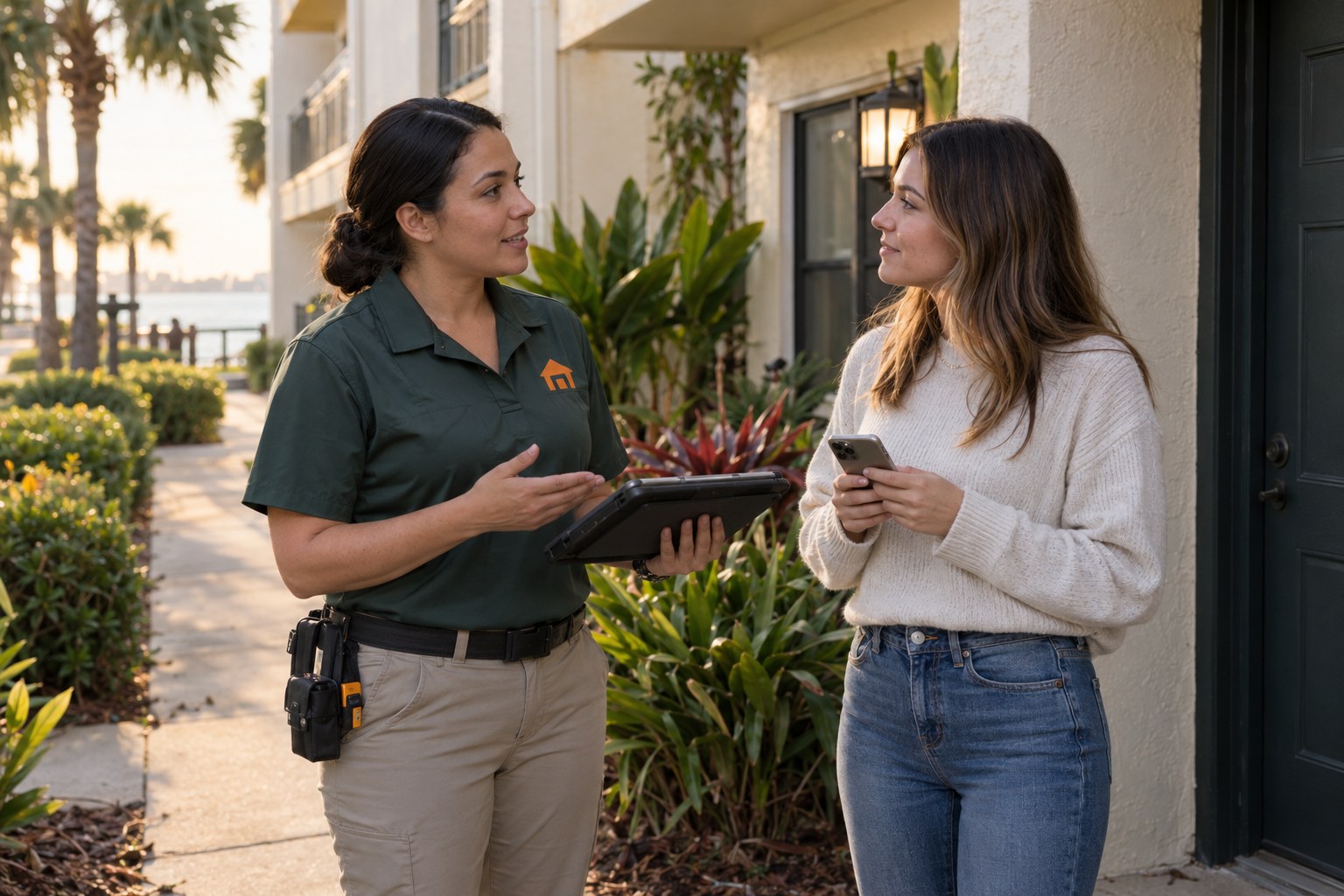
Why moves create key risks
Every move involves a long list of tasks, and locks are easy to leave until last. Yet the first night in a new home is the moment when you least know who else may hold a key. Previous residents, their relatives, past landlords, cleaners, contractors and agents may all have had copies at some point.
Departures create a mirror-image risk. During packing and cleaning, doors are propped open, strangers come and go, and keys are handed to movers, agents and inspectors. A key left behind or passed around can linger in circulation long after you have gone.
Military moves add pressure of their own. Schedules are set by orders, not convenience, and families often arrive in a new area with little time to learn it. Having a short, repeatable lock routine reduces stress and gives you one less thing to improvise.
A routine is also helpful because every move is different. You might rent, buy, live in housing, or stay in temporary lodging first. The same basic ideas apply in each case: know who has keys, reset access when you can, and keep records.
Rekeying when you arrive
The single most useful step on arrival is rekeying the exterior locks. Rekeying changes the internal pins of each lock so that old keys no longer work and a new key does. It uses the existing hardware, so it is often simpler than replacing the locks.
Do it early, ideally within the first few days. The longer you wait, the longer old keys remain valid. If you cannot do it on the first day, make sure the doors are locked and the windows secure, and book the work soon.
A locksmith checks ownership or authority before rekeying. Bring your lease, closing papers or other documents showing you may authorize the work. If you rent, get the landlord's permission in writing first, since leases commonly limit lock changes.
When you call, mention the number of exterior doors, any garage entry, patio doors and outbuildings. Quotes are given by phone, and you should call to confirm availability for your area.
Renting, base housing and landlord rules
Rules differ by housing type. Privately owned rentals follow the lease, and many landlords allow rekeying if asked, particularly if the previous locks were not changed. Some keep a copy of every key, and the lease will say so.
On-base or privatized housing often has its own procedures for locks, keys and maintenance. Contact the housing office or management company about lockouts, lost keys and permitted changes before making any alteration. Do not assume you may change locks yourself.
If you are buying a home, rekeying is usually fully within your control once the sale closes. Many buyers schedule it for closing day or the day after, so the house is secure from the start.
For temporary lodging, such as an extended-stay hotel or a short-term rental, you generally cannot change the locks. Keep the door locked, use the security latch and report any lost key or card to the front desk.

Keys during the move itself
During packing and loading, keys pass through many hands. Decide in advance who will hold the keys at each stage. Avoid handing copies to movers, and keep the main set on your person until the final walk-through.
Keep a written list of every key and its purpose: front door, back door, garage, storage unit, mailbox, vehicle. A list helps you confirm that nothing is left behind and that everything is accounted for.
If a moving company or a friend needs access to the old house, consider a temporary measure such as a lockbox with a code rather than a spare key. You can change the code afterward.
Pack your keys in your own bag, not in a box. Boxes get mislabeled and lost, and a missing set of keys on the first night is a hard way to begin.
Securing the old home when you leave
Before you hand back a house, take care of the details. Return every key as required, and ask for written confirmation. If you made extra copies, return those too, or destroy them if the lease allows.
Walk through the home with the landlord or agent and note its condition. Photograph the locks, doors, frames and windows. This record protects you against disputes about damage.
If you own the home and are leaving it vacant or renting it out, consider rekeying before the next occupant arrives. This resets access and protects your property and the new tenant.
Do not leave keys hidden outside for a buyer, tenant or agent. Use a lockbox or arrange a handover in person.
Protecting a home during deployment
When a service member is away, the family or the empty house still needs protection. Review the locks before departure. Make sure deadbolts work smoothly, strike plates are secure and sliding doors have a bar or pin.
Limit key distribution. Decide who truly needs access, such as a trusted neighbor or relative, and keep a written list. If you are unsure who holds copies, rekeying resets everything.
Consider keypad or smart locks for flexibility. Codes can be given to a caretaker and removed when no longer needed. A physical key backup is wise in case of a dead battery.
Add basic habits: lights on timers, mail collected, and a car in the driveway when possible. Visible activity discourages casual attention. Tell a trusted person if the house will be empty.
Vehicle keys and moving between vehicles
Moves often involve extra vehicles, borrowed cars and shipped vehicles. Keep track of every car key and spare. Modern keys can be costly and slow to replace, particularly if all copies are lost.
If a vehicle is being shipped, leave one key with the carrier only if required, and keep the spare. Take photos of the car's condition at handover.
Locksmiths who work on vehicles can cut and program keys, but they must verify that the vehicle is yours. Bring proof of ownership, such as the title or registration, and identification.
Keep house keys and car keys on separate rings when possible. If you hand over a car for service or shipping, you will not also hand over access to your home.
Pets, children and daily routines in a new home
A new home changes daily routines. Children need to learn the doors, the locks and where keys live. Pets may escape through unfamiliar doors. Walk through the house together and show everyone how each lock works.
Set a family routine for keys on the first day. Decide where keys hang, who carries them and what to do if someone is locked out. A simple plan prevents repeated lockouts in the first chaotic weeks, when everyone is tired, schedules are unsettled and the new house still feels unfamiliar to every member of the family.
Teach older children to keep a spare key discreetly and never to hide one outside. A trusted neighbor, once you have met them, can hold a spare.
If your family includes shift workers or frequent travelers, consider a keypad lock so no one needs to carry a key at odd hours.
Local considerations around Pensacola
The Pensacola area has a mix of older homes, newer subdivisions, condominiums and apartments. Older homes may have worn or mismatched hardware that benefits from replacement rather than rekeying. A technician can look at the locks and advise.
Humidity and salt air affect hardware, so choose finishes that resist corrosion. Locks that stick or feel rough should be serviced before they fail.
Hurricane season is a regular part of life here. New arrivals should learn their evacuation routes, secure their documents and know where their keys are. Keep a spare key and key list in a waterproof container.
Make friends with neighbors early. A trusted neighbor can notice problems and hold a spare. Community is part of home security. Ask which neighbors have lived there longest, since they usually know the street's habits, the quiet hours and the spots that deserve extra attention after dark.
A simple checklist for arrival week
On the day you arrive, walk the property before unloading anything heavy. Open and close every exterior door, test every lock with the keys you were given, and make sure each window latches. Note anything loose, sticking or missing, and photograph it so you have a dated record. This small effort takes a few minutes and gives you leverage if a landlord or builder needs to fix something.
Count the keys you received and compare them to what the lease or sale documents say. If the paperwork lists three keys and you were handed two, ask about the third. Missing keys are not always a problem, but you should know where they went, and you should find out before you assume the house is secure.
Within the first few days, schedule the rekey. Call, describe the doors, and ask for a quote by phone. Have your documents ready so the technician can confirm authority. In the meantime, use the deadbolts at night, keep the garage door closed and avoid leaving spare keys in obvious places while the old keys are still out there.
Finally, introduce yourself to a neighbor. Exchange phone numbers, and mention that you are new. A neighbor who knows your face can spot a stranger at your door, and many of the best home security measures are simply friendly people who pay attention to the street.
A simple checklist for departure week
In the final week, gather every key and make a list of what you are returning. Include house keys, garage openers, mailbox keys, community pool fobs and gate cards. If you are leaving a rental, ask in advance how the landlord wants the keys handed over and request a written receipt. Do not mail keys without tracking and a record.
If you own the home and plan to rent or sell it, think about access for agents, inspectors and cleaners. A lockbox with a code that can be changed afterward is safer than sharing copies. Keep a log of who has the code, and reset it when the home is occupied or the sale closes.
Do a final walk-through with photos. Lock every door and window, check that appliances are off, and make sure the garage is secure. Take a quick video of each room and each door. If a dispute arises about condition, your record is the strongest evidence you can have.
Take care of your own paperwork before you drive away. Keep copies of the lease, the handover receipt and any messages about keys. You may need them months later when a deposit is calculated, and it is much easier to keep them organized than to search for them from a new address.
Coordinating lock work around orders and move dates
Military moves rarely allow extra days, so a locksmith visit has to fit your timeline. Call as early as you can, even before you arrive if you know the address. Explain how many doors you have, whether you rent or own, and when you will be in the house. The dispatcher can then tell you what is realistic and whether to confirm availability closer to the date.
Bring the documents the technician will want to see. Owners can show closing papers, a utility bill or identification matching the address. Renters can show a lease and the landlord's written approval. Those documents let the technician confirm authority before touching any lock, which protects you and the previous occupant's privacy.
If the locks turn out to be worn, mismatched or damaged, ask for the technician's honest recommendation. Sometimes replacement is a better value than rekeying. If the job is complicated, a technician visits and the service call charge is explained before dispatch, so you can decide with full information.
After the work, test every key in every lock before the technician leaves. Ask for a receipt, and write down how many keys you received and who will hold them. Store that note with your moving papers, where you can find it when the next set of orders arrives.
Orders arrive late: handling the lock side of a short-notice move
Military moves rarely follow a comfortable calendar. Orders can change the departure window, a housing handoff may shift by several days, and the household often ends up splitting the work between a parent who has already left and one who is still packing. The lock tasks that normally feel minor, such as collecting every spare key, become easy to miss. A simple written key inventory started the day orders arrive saves a lot of confusion later, because it shows which doors, sheds, gates and mailboxes each have keys out in the world.
When one adult is away, authority matters. A locksmith needs to confirm that the person requesting work is the owner, the tenant with the landlord's approval, or someone clearly authorized to act. Families can prepare by keeping the lease or a message from the property manager handy, and by naming one person who is allowed to approve lock work for the home. That small step prevents a delayed rekey when the other spouse is traveling or already at the next duty station.
For homes being handed back, the order of operations is worth planning. Many families prefer to rekey after the final walkthrough only if the lease permits it, since changing hardware without approval can cause a dispute. When the lease allows changes, the better habit is to give the landlord a full set of working keys and keep a note of how many copies were made. Call us to talk through the timing, and a technician can fit the visit around the movers rather than against them.
One practical tip is to keep a small envelope labeled for the next occupant. Inside go the working keys, a note listing which key fits which door, and any code for a keypad lock that the lease allows. Handing that envelope over at the final walkthrough shows good faith and cuts down on questions after you have left the area. It also means you are not mailing keys across the country, which is how many sets end up lost.
Spare keys, trusted contacts and handing over to family
Military families often rely on a network of friends and relatives who may be far away. Decide who in the local area can be your emergency contact, and think carefully about whether that person needs a physical key. A neighbor you have known for a few months may be a better choice than a distant cousin who cannot reach the house quickly.
If you give someone a key, record it. Write down the name, the date and the purpose, and tell them to keep the key somewhere secure and not labeled with your address. When circumstances change, such as a neighbor moving away or a friendship cooling, rekeying resets access without any awkward conversation about returning keys.
Consider a keypad lock for the main entry if several people may need access over a long period. Individual codes can be created for a house sitter, a relative or a repair visit, and removed afterward. Pair it with a physical key backup so that a dead battery never leaves anyone outside.
Before the next move, take a few minutes to update your key list, return keys you no longer need and decide what to do with copies. A tidy, current record turns the next transition into a routine task rather than a scramble.
Questions people ask us
Should I rekey when I move into a rental?
It is a good idea, since you cannot know who holds old keys. Ask your landlord for permission in writing, since leases often limit lock changes. The locksmith checks authority before starting. Call for a quote and to confirm availability.
Can I change locks in on-base housing?
Rules vary, so contact the housing office or management company first. Do not make changes without approval. They can explain lockout, lost key and maintenance procedures for your home.
What should I do with keys during a move?
Keep the main set on you, make a written list of every key, and avoid handing copies to movers. Use a lockbox with a code if someone else needs access, and change the code after.
How can I secure my home during a deployment?
Check locks and strike plates, limit who holds keys, consider a keypad with removable codes, and keep lights and mail tidy. If you are unsure who has copies, rekey the locks.
Can a locksmith make a car key if I lose mine during a move?
Often yes, depending on the vehicle. The locksmith verifies ownership first, so bring the title or registration and identification. Call to confirm availability and ask what documents are needed.