
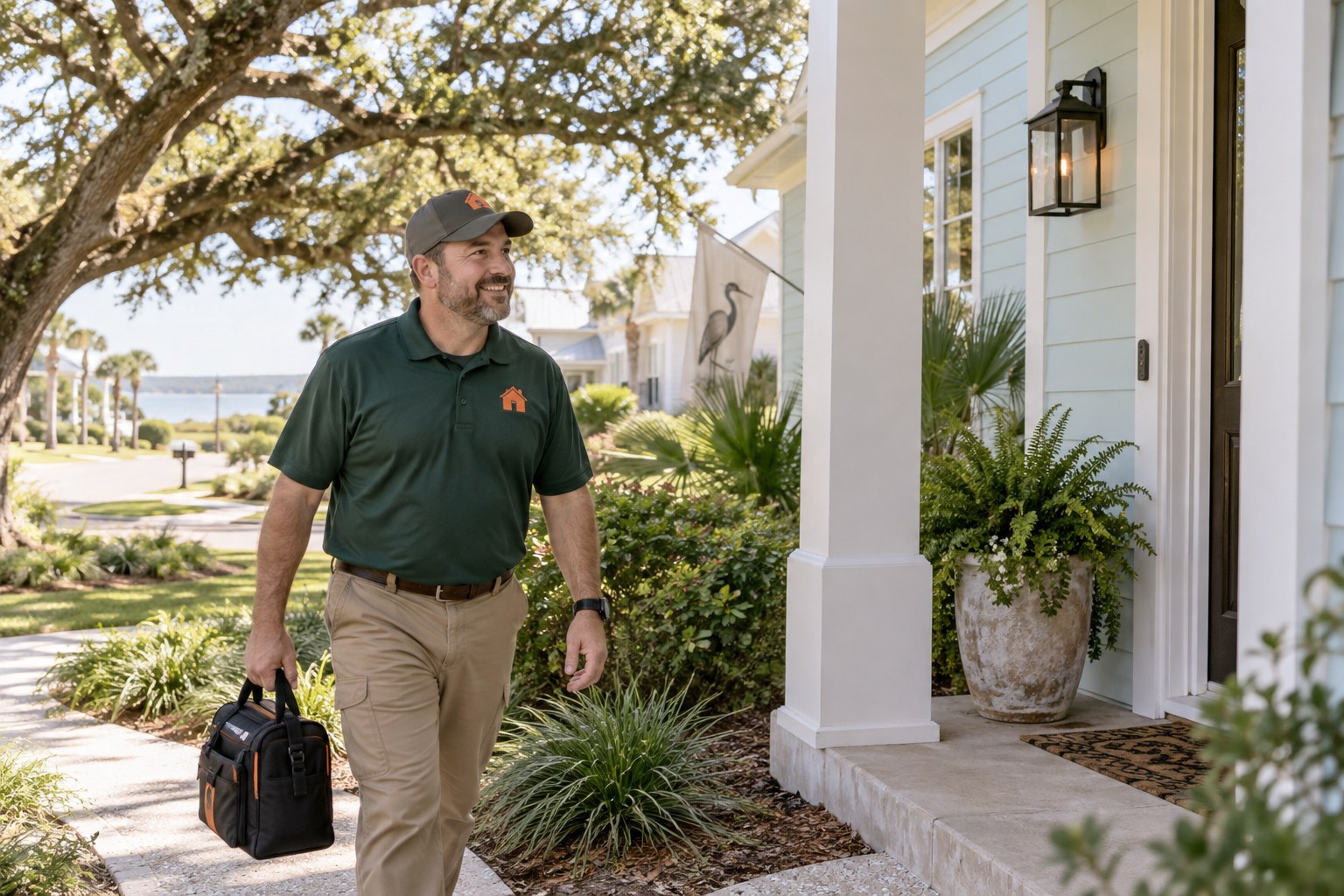
Quiet roads and why locks still matter
A peaceful setting can lull people into leaving doors unlocked and keys in obvious places. Most of the time nothing happens, and that is exactly why the habit persists. The risk is not constant, but it exists, and it rises when a home is empty or when a driveway is out of sight of the road.
Good locks are a quiet kind of insurance. They do not announce themselves, and they cost little compared with the trouble of a break-in. A solid deadbolt, a reinforced strike and a door that latches on its own do more than any amount of worry.
The goal here is practical, not fearful. A mobile locksmith can come to your home, look at each door and tell you plainly what is worth improving and what is fine as it is. Many owners find the visit reassuring, because it replaces vague unease with specific facts.
Homes that sit empty for part of the year
Some properties are used seasonally or by owners who travel for work. A house that stays empty for weeks needs reliable locks because nobody is there to notice a problem. Before leaving, check every door and window, and consider whether any hardware looks weak.
A keypad lock can help for homes with occasional visitors. You issue a code for a caretaker or a relative and remove it afterward. No key is left behind, and you always know who has had access. Choose a model that runs on batteries and works without an internet connection.
When you return, test the locks before you need them. Damp air can stiffen a bolt over a few weeks, and a lock that sticks on arrival is better discovered with the door open than with bags in your hands. A technician can service stiff locks quickly.
Inherited homes and family properties
Rural properties often pass between family members. A house inherited from a parent may have keys that circulated among siblings, cousins, neighbors and old friends for decades. Nobody means any harm, but nobody can list who holds a key.
Rekeying is the quiet solution. The locks stay, the old keys stop working, and the new owner or owners choose who receives a copy. The process is simple, and it gives a clear break between the past arrangement and the present one.
Before work begins, the technician confirms ownership or authority. For an inherited property, that may mean a document that connects you to the estate or the deed. If the situation is complicated, call and explain, and we will tell you what we need.
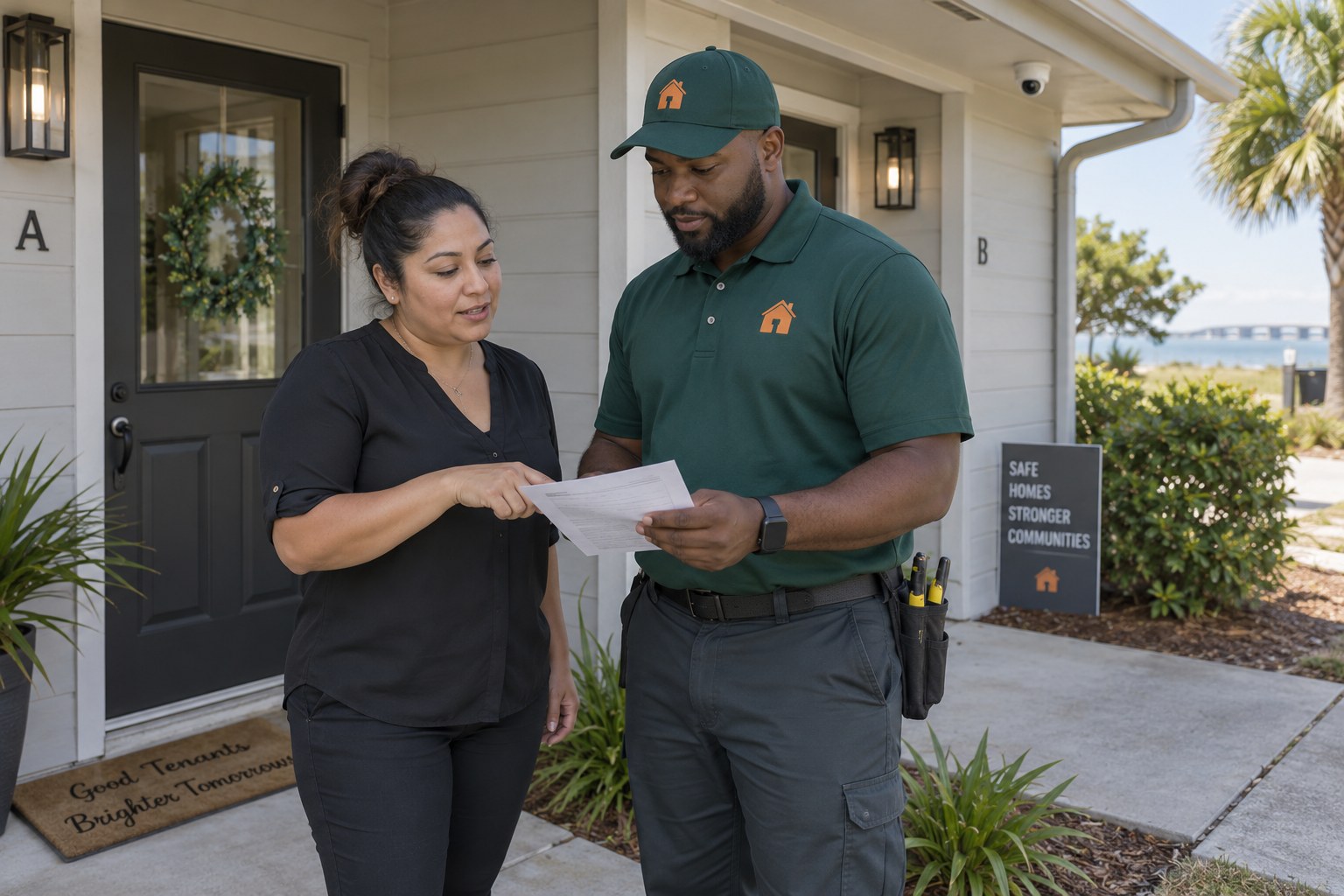
Wood doors, damp air and sticking latches
Wood doors move with the seasons. In humid months they swell, and in dry months they shrink, and the latch must tolerate the change. A door that closes easily in winter may drag in summer, and the lock often takes the blame.
A technician starts with alignment. If the latch is not meeting the strike squarely, moving the strike a few millimeters can solve the problem. If the bolt is rubbing against the frame, a small adjustment to the mortise helps. These are modest repairs that make a lock last longer.
Do not force a stiff lock. Applying pressure to a sticking bolt can bend it or break the cylinder, and then the door will not lock at all. Describe the symptoms by phone and let the technician decide whether it is a quick fix or a replacement.
Lockouts when no one is near
If you are locked out in a quiet area, there is often no neighbor to call for a spare. That is when a locksmith is most useful. Call, describe the door and the lock, and say where you are. Mention if anyone or any animal is inside the house.
The technician confirms authority before opening. This is a standard check and applies to everyone. A document with your address, an ID, or a call from the owner will do. It protects the home from anyone who might make a false claim.
Non-destructive methods come first. Most residential locks open with picking or bypass. If the lock is seized or broken, the technician explains the options before proceeding. Call to confirm availability, since scheduling depends on where technicians are working.
Workshops, barns and equipment storage
Rural homes tend to have buildings for tools, equipment and animals. These structures are often locked with a single padlock, and a padlock on a thin hasp is easy to defeat. Upgrading the hasp and fixing it with long, hidden bolts is usually the best improvement.
For frequently used buildings, a deadbolt on a solid door is more convenient than a padlock, and it holds firmly. A technician can install it into wood or metal, reinforce the frame and set a strong strike.
Keep a record of what is stored and where. If something goes missing, a simple list helps. Consider a second lock inside the building on the most valuable equipment, so the thief has two barriers to overcome.
Rekeying outbuildings onto one key
Having ten padlocks with ten keys is a recipe for lost time. A locksmith can often rekey padlocks, or replace them with matching ones, so a single key opens everything you use regularly. This saves fumbling and reduces the chance of leaving the wrong key at home.
For buildings shared with others, separate keys make sense. A tenant in a guest house should not hold a key to your tool shed. The technician can plan groups so each person receives only what they need.
Label keys clearly, but never with the address. Keep one spare of each group in a safe place, and note who has the others. That simple discipline makes future rekeys easy to plan.
Storms, trees and damaged doors
Storms bring down limbs and push water into places it does not belong. A door that was struck by debris or soaked by blowing rain may no longer close properly. If a frame has cracked, the lock may be fine but the door cannot be secured.
After a storm, look for gaps around doors, cracked wood and bent hardware. If something looks wrong, call and describe it. A technician can often make a temporary repair that keeps the house secure until a carpenter can fix the frame.
Because ownership matters, bring proof of residence. If you are away and a neighbor reports damage, the technician will need to speak with the owner before working. We will explain the steps when you call.
Children, grandchildren and visiting family
Rural homes often welcome visiting relatives, and keys travel with them. A grandchild takes a copy home, a cousin forgets to return one, and soon the household is uncertain about who has what. A simple record helps, and so does a rekey after a long visit.
For short visits, a keypad lock allows a temporary code. When the visit ends, delete it. No key leaves the house, and you do not need to worry about copies. For homes without electronic locks, consider a key that is only for guests and keep it separate from the family set.
Teach children not to hide keys in obvious places. A key under a flowerpot is the first spot anyone would check. A trusted neighbor, or a lockbox with a code, is a better option.
Security for older residents living alone
Older residents who live alone benefit from locks that are easy to use and hard to defeat. Lever handles are easier on stiff hands, and keypad locks remove the need to find a small key. A door viewer lets you see who is outside without opening the door.
Family members who check in may need access. Rather than sharing a physical key, a code can be issued and changed when needed. A caregiver or neighbor can have a separate code that the family can remove without a rekey.
A technician can adapt the home to the person's needs, and can explain each change clearly. Ask for a demonstration before the visit ends, so the resident is comfortable with how everything works.
Garage and carport entries
The door between the garage and the house is often the weakest link. It is used daily and rarely upgraded. A solid door, a deadbolt and a reinforced strike address the common problems.
Carports and open-sided structures need a different approach. Items stored there are exposed, so cabinets with locks or chains through equipment add protection. A technician can suggest options after seeing the space.
If your garage door opener has a keypad outside, change the code when you move in. Default codes are widely known, and a new code takes minutes to set. It is a small step that closes a large gap.
Arranging service in Molino
Call us and describe the property, the doors involved and the problem. Tell us if there are gates or a long drive. We confirm availability by phone and give a quote for routine work during the call.
For complicated work, a technician visits first, and the service call charge is explained before dispatch. Anything added on site is discussed and agreed with you before it begins.
Have proof of residence or authority ready, along with any keys. Give clear directions, and make sure the technician can reach each door. The technician checks ownership or authority first, then does the work and tests it with you.
What a thorough door inspection looks like
When a technician inspects a door for security, the process is methodical. First the door itself: is it solid wood, a steel skin over foam, or a hollow core that will crack under a hard kick? Then the frame: are the jambs sound, is the wood split near the strike, and are the hinge screws holding in the framing rather than just the trim?
Next comes the lock. The technician checks that the bolt extends fully, that it enters the strike without scraping, and that the cylinder turns without grit. The thumbturn on the inside is tested too, since it should move smoothly and not catch. A lock that seems fine from outside can hide a loose inner mounting plate.
Finally the technician looks at the surroundings: how visible the door is from the road, whether lighting or plants help or hurt, and what a person standing there would see. The result is a short, plain list of what is sound, what is worth improving and what can wait, offered without pressure.
Replacing a worn cylinder without replacing the lock
A lock can have a worn cylinder and a perfectly good body. The key goes in but turns reluctantly, or the plug is loose and wobbles. In that case the cylinder alone can be replaced with a new one that fits the existing hardware, which saves the cost and effort of changing the entire lock.
The technician removes the old cylinder, matches the size and the tailpiece, and installs a new one keyed as you choose. The look of the lock on the door stays the same, the screw holes stay put, and the work often takes less time than people expect. It is a tidy repair for locks whose hardware you like.
If the lock is of a type that cannot take a standard cylinder, the technician says so. For some older or unusual models, replacement of the whole lock is the realistic option. Either way, you are told before work starts, and you decide.
Keeping a simple log of keys and codes
A small notebook or a note on your phone can save real trouble. List each lock, what kind it is, how many keys exist, and who holds them. If you use keypad locks, note who has a code. Update it whenever something changes. It sounds fussy, and it takes five minutes a year.
When something goes wrong, such as a lost key, a falling-out with a contractor or the sale of the property, the log tells you whether a rekey is needed and how big the job is. It also helps the technician plan the visit and bring the right parts.
Keep the log somewhere safe, not taped inside a cabinet where a visitor might see it. Never write the address on a key tag. A plain system, kept honestly, is more useful than an elaborate one that nobody maintains.
Rural-edge properties around Molino: gates, barns and long driveways
Properties on the edge of the Pensacola area often include more than a house. A long driveway may end in a gate. A barn, workshop or equipment shed sits across the yard. A technician serving homes in a place like Molino thinks about the whole property, since each lock protects something different and each faces a different level of exposure to weather and distance from neighbors.
Gates deserve special attention. A gate chain and padlock take hard use, and a padlock that is hard to turn becomes a daily annoyance. A keyed-alike set lets one key open the gate, the barn and the shed, so you do not carry a bundle. The tradeoff is that losing the one key affects every lock in the set, so some owners keep two sets, each with a distinct pattern, for the buildings of different value.
Because neighbors are farther apart, the response to a break-in is slower, and deterrence matters more. Good lighting, solid doors and sturdy frames contribute alongside the lock. The technician looks at the whole path from the road to the door and offers practical suggestions rather than a shopping list. Ownership or authority is checked before any rekeying. Call us to confirm availability and describe the layout of your property.
Consider adding a thoughtful spare key plan for a property this spread out. A lockout is harder to solve when the nearest neighbor is a distance away and a technician has farther to travel. Keeping a copy with a trusted person who lives closer, or in a secure combination box mounted out of view, reduces the odds of being stranded. Call us to confirm availability and ask how a visit to your address would be planned.
Mailboxes, porch lockers and package safety
On long rural roads the mailbox may stand at the end of a drive, far from the house, and parcels are sometimes left on the porch for hours. A locking mailbox with a narrow slot and a sturdy door protects letters, checks and documents that can be used for identity theft. Replace a flimsy flag-style box with a real locking one if you receive important mail.
Parcels left on a porch are an easy target. A lockable delivery box bolted to the porch floor or wall, or an arrangement with a neighbor, reduces the risk. A technician can fit a lock to a storage bench or cabinet if you already have one, using hardware made for outdoor use.
These are small things, but they are part of an honest security picture. Most of the harm from theft comes not from the dramatic break-in but from the quiet loss of mail and packages. Ask about it during a visit, and the technician can point to solutions that fit your property.
Questions people ask us
Is a keypad lock good for a home that is empty part of the year?
It can be. A battery-powered keypad lets you issue a temporary code to a caretaker and remove it later, with no extra keys in circulation. Choose a model that works without internet, keep a mechanical key as backup, and test the lock when you return.
How do I secure an inherited house with unknown keys?
Rekey the exterior locks. Old keys stop working, and you choose who receives copies. The technician confirms your ownership or authority first, which may involve a document linking you to the property.
What should I do if my door sticks in humid weather?
Do not force it. The cause is often swelling or a misaligned strike, not a failing lock. A technician can adjust the strike or mortise. If the door needs planing, a carpenter may be needed, and the technician will say so.
Can you help if I am locked out and no one is nearby?
Yes. Call and describe the door and your location. The technician confirms authority on arrival and uses non-destructive methods first. Call to confirm availability, since scheduling depends on where technicians are working.
Can several outbuildings share one key?
Often yes. Padlocks can be rekeyed or replaced with matching ones so one key opens them all. For buildings that others use, separate key groups are wiser. The technician can plan groups that fit how you use the property.