

The moments when lockouts tend to strike
Lockouts are rarely about carelessness. They happen when attention is split: a child needs help, the phone rings, the dog bolts, or a storm is blowing in. The door closes behind you, the latch catches, and the keys are on the kitchen counter. Understanding this pattern is the first step to preventing it.
The most common moments are short trips outside. Putting out the garbage, checking the mailbox, watering plants, grabbing a package or walking the dog all feel too brief to need keys. A few seconds is all it takes for a door to lock itself or for a breeze to push it shut.
Another risk is self-locking hardware. Many modern knobs and some deadbolts lock automatically when the door closes, which is a security feature that also makes a lockout easier. If your front door has this feature, your habits need to account for it.
Finally, there is the problem of the wrong key or the lost key. Keys slip out of pockets at the beach, fall between car seats or get left in a swimsuit. A system that makes keys hard to misplace is more effective than good intentions.
Give your keys one home
The single most useful habit is a fixed place for your keys. A hook by the door, a bowl on a shelf or a dedicated pocket in your bag keeps keys in a predictable spot. When you always put them in the same place, you always know where they are.
Make the spot easy and visible. A hook at eye level beside the door, where you will see it when you leave, works better than a drawer. If the spot is awkward, you will skip it, and the habit will fade.
Teach everyone in the household to use it. Children, roommates and visitors should know where keys belong. Consistency matters more than perfection, and a shared system reduces the chance of someone locking themselves out.
Pair the spot with a pause. Before you close the door behind you, do a quick check: phone, wallet, keys. Saying it aloud or touching each pocket may feel silly, but it builds a rhythm that prevents mistakes.
Build a leaving ritual
A short routine before leaving the house catches most mistakes. Pause at the door, touch your pockets or bag, and confirm that you have your keys. This takes seconds and becomes automatic with repetition.
Do the same when stepping out briefly. Even to take out the trash, carry your keys or prop the door in a way that does not allow it to close. Some people keep a spare key on a lanyard by the door for these short trips.
Consider the order of actions. If you leave by the front door and the lock engages automatically, check the keys before pulling the door shut, not after. Closing the door is the point of no return.
Rituals work best when they match your actual life. A parent juggling children needs something different from a student running to class. Design the routine around your situation, and adjust when your circumstances change.
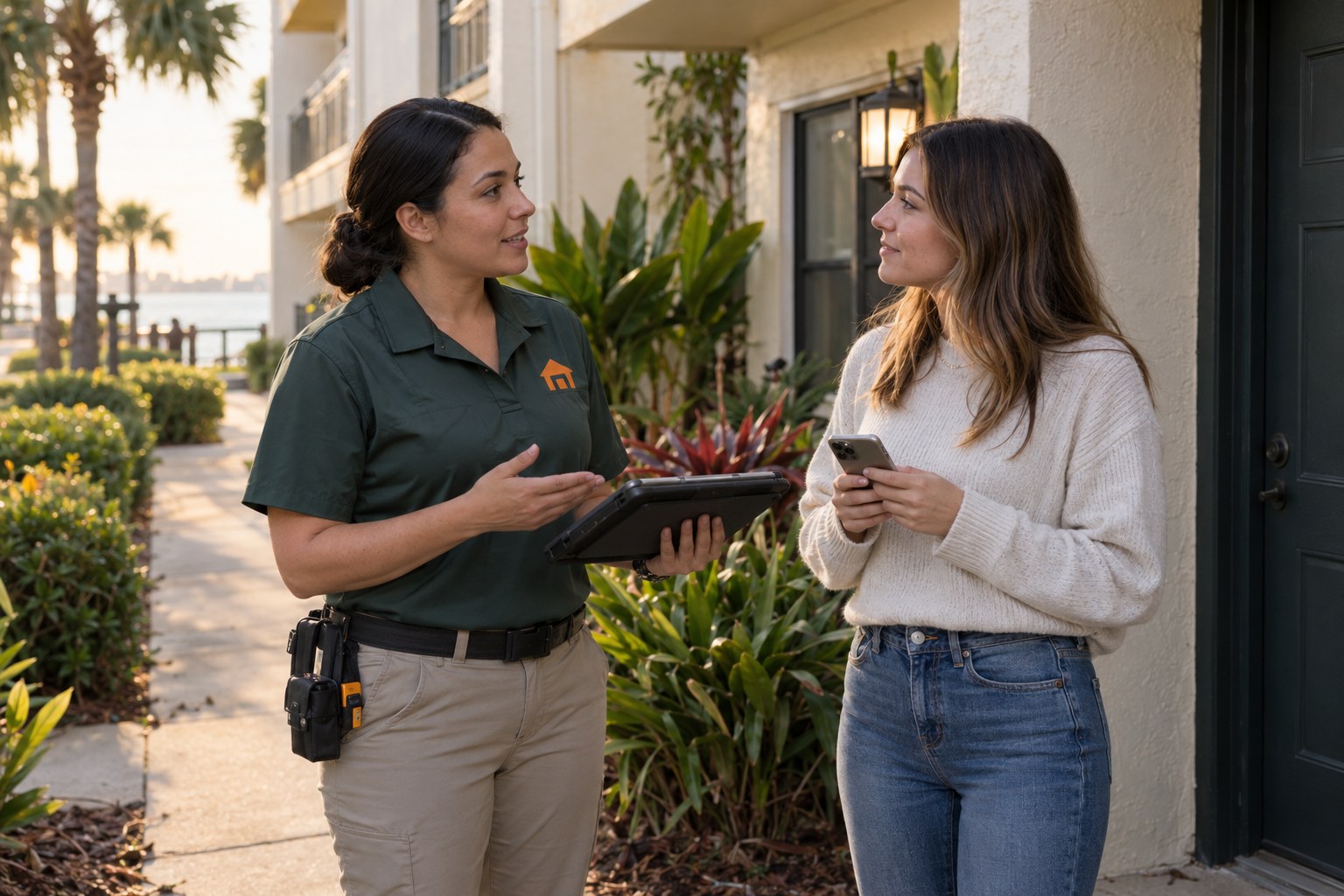
Know your door's self-locking behavior
Not every door locks the same way. A simple knob lock may lock only when you press a button, while a deadbolt locks only when you turn it. Some knobs, latches and smart locks lock automatically when the door closes. Learn which type you have.
If your lock has an auto-lock feature, you may be able to turn it off or adjust the delay. Smart locks often allow this through settings. A technician can explain the options for your lock.
For doors that lock when closed, build the habit of checking for keys every time. Never rely on leaving the door unlocked when stepping out, since you may not control whether it latches.
Sliding glass doors and patio doors are a special case. A latch that engages when the door is pulled shut can lock you out on the deck or the pool area. A simple bar or pin that keeps the door slightly open for short trips can help.
Plan a spare key that does not create new risk
A spare key is useful, but the hiding place matters. The doormat, flowerpot and fake rock are the first places anyone checks. A spare hidden outside is an invitation, not a safeguard.
A better option is to leave a spare with a trusted person. A neighbor, a family member or a friend nearby can hand you a key when needed. Choose someone reliable who is likely to be reachable.
A lockbox with a code is another alternative. Mount it securely and choose a code that is not obvious. Change the code when circumstances change, and avoid sharing it widely.
Whichever method you choose, keep a note of where spares are and who holds them. If a spare goes missing or a trusted person moves away, rekeying resets everything.
Keypad and smart lock options
A keypad lock removes the key from the equation. You enter a code, and the door opens. There is no key to forget, lose or leave in a swimsuit. For households with children, guests or frequent forgetfulness, this can be a real improvement.
Smart locks go further by allowing phone access, temporary codes and activity logs. They can be a good fit for rental properties and for homes where several people come and go. Choose one with a physical key backup in case of dead batteries.
These locks have their own habits to learn. Change batteries on a schedule, keep the code private, and remove codes for people who no longer need access. A technician can install the lock properly and explain how it works.
A keypad is not right for everyone. Some people prefer the simplicity of a traditional key, and some doors are not suited to electronic locks. Discuss your situation with a technician before deciding.
Habits for cars, bags and pockets
Home lockouts often start with a missing key elsewhere. Attach house keys to a bright fob or ring that is hard to overlook. A distinctive look helps you spot them in a bag or on a table.
Avoid storing keys in loose pockets where they can fall out. A zip pocket, a clip or a dedicated pouch is more secure. At the beach or pool, leave keys in a locked car or with a trusted person rather than in a towel.
Consider a tracker attached to your key ring. These small devices help you find keys that are lost around the house or the car. Remember that they help you locate keys, not unlock anything.
Keep your car key and house key separate if you hand your car to a valet or a service. A single ring with everything is convenient but puts your home at risk if the ring is copied or lost.
Children, roommates and shared homes
Children need clear, simple rules. Teach them where keys live, what to do if they are locked out, and whom to contact. A child who knows the plan is less likely to panic.
Roommates should agree on a system. Decide who has keys, how guests are handled and what happens if someone loses a key. Writing the agreement down avoids arguments later.
In shared homes, the last person out should lock up and check. A habit of verifying that the door is locked, not assuming, reduces both lockouts and security risks.
If a roommate moves out, rekey the locks. Old keys stay in circulation otherwise, and a clean reset protects everyone who remains.
Maintenance that prevents sticking
Locks that stick are a hidden cause of lockouts. A key that will not turn, a deadbolt that jams or a latch that catches can leave you on the wrong side of the door. Regular care reduces these problems.
Humidity and salt air are hard on locks along the Gulf. Moisture causes corrosion, and grit collects in keyways. Use a lubricant designed for locks, applied sparingly, and avoid heavy oils that attract dirt.
Check alignment too. A door that has shifted may not line up with its strike plate, causing the lock to bind. If you have to lift or push the door to lock it, have the alignment adjusted.
Replace worn keys before they fail. A key that is rounded and shiny may stop working at any time. Having a fresh copy cut from the original, not from a worn copy, gives a better fit.
Habits for travel and seasonal use
Before a trip, check that you have keys for every door you may need on return. Leave a spare with someone you trust. If you travel by air, avoid keeping house keys in checked luggage.
For seasonal residents and second homes, build a checklist for arriving and leaving. Include verifying keys, checking locks and confirming that someone can enter if needed. A consistent routine reduces surprises.
Vacation rental owners can use lockboxes or keypads for guests. Change codes between stays, and keep a log of who has access. This avoids the problem of keys that are lost or not returned.
If your home will be empty for a while, ask a neighbor to check on it. Make sure that person has a way in that does not rely on a key hidden outside.
What to do when it happens anyway
Even good habits fail sometimes. If you are locked out, stay calm. Check other doors and windows you control, and consider whether anyone inside or nearby has a key.
Contact a locksmith if needed. Describe the lock, your situation and your location. A reputable provider asks for proof that you live there or have authority over the property, and gives a quote by phone. Call to confirm availability.
If the lockout reveals a weakness, such as a worn lock, a missing spare or a self-locking habit, fix it afterward. A lockout is a useful warning. Use it to improve your system.
Keep the number of a trusted locksmith in your phone before you need it. That way a bad moment does not turn into a rushed search. Tell the people you live with who that is, so whoever is locked out can make the call without hunting for a name in the middle of a stressful afternoon.
A weekly and seasonal routine
Once a week, glance at your key spot and confirm everything is where it belongs. Check that spare keys are accounted for and that no one has borrowed one without telling you.
Each season, test your locks. Turn each key in each lock, check the deadbolts and look at the strike plates. Lubricate as needed and note anything that feels rough.
At the start of hurricane season, review your access plan. Make sure you can find your keys quickly, that spares are safe and that your records are current.
These small checks cost little and take minutes. Over time they turn lockout prevention into a quiet habit rather than a recurring emergency.
Teaching teens and older relatives the system
Habits only work when everyone in the home actually uses them. A teenager who is rushing to school, or an older relative who has used the same routine for decades, may need a gentle reminder and a reason. Explain that the point is not to impose rules but to avoid a cold, wet or embarrassing wait on the porch.
Make the system fit the person. A grandparent may find a lever handle and a large key easier to manage than a small knob and a thin key. A teenager may prefer a keypad code they can remember. A shared house may need a single, simple rule that everyone can follow without thinking.
Practice once. Walk through what happens when a key is lost, who to call first and where a spare lives. A five minute rehearsal on a calm evening means nobody has to improvise while upset, and it shows the plan is real rather than a speech.
Revisit the plan when something changes. A new job, a new school schedule, a new roommate or a change in health all affect how people come and go. A quick conversation each season keeps the system matched to real life.
Small routines that keep the same lockout from happening twice
Most lockouts follow a pattern, and the cure is a routine tied to a moment you already have. Link the key check to the act of closing the door. Many people find that a phrase works, such as touching the pocket where the keys live as the door closes. The point is not memory but a physical habit, and habits stick better when they attach to something you do without thinking.
Place matters as much as habit. Give keys one home inside the house, a hook or a bowl near the door, and one home outside, a specific pocket or bag compartment. Keys left on kitchen counters, in jackets or in cars cause a majority of household lockouts. If someone often leaves a bag in the car, a spare held by a trusted neighbor or family member beats a hidden key under a mat, which burglars know to check.
Technology can support the routine without replacing it. A keypad deadbolt removes the need to carry a key at all, though batteries should be changed on a schedule. A key tracker attached to the ring can help locate it in the house. After a lockout, ask what actually went wrong and fix that specific link. Call us if you want to talk through a more permanent solution for a household that keeps getting caught outside.
It also helps to treat children and guests as part of the system. A teenager who comes home to an empty house needs a reliable way in, and a visitor staying a weekend needs something that does not leave a key lying around afterward. Give them a plan for what to do if the door will not open, including who to call first. A written line on the refrigerator is more reliable than a conversation that fades.
Using your phone and household routines as reminders
Technology can quietly support good habits. A reminder on your phone that triggers when you leave a location can nudge you to check your keys. Some key trackers alert you when you walk away from them. These are helpful extras, not substitutes for the basic ritual at the door.
Household routines can do the same job. If the last person out always turns off a particular light, make the key check part of that moment. If you always put your coffee cup down before leaving, let that be the cue to touch your pockets.
Place visual cues where you will see them. A small note on the inside of the door, a bright hook at eye level or a tray beside the shoes keeps the idea in front of you. After a few weeks you will stop noticing the cue because the habit has formed.
Be patient with yourself and others. Habits take weeks to settle, and lapses are normal. If a lockout does happen, treat it as information about which part of the system needs strengthening, then make one small change and carry on.
Questions people ask us
Is hiding a spare key outside a good idea?
Usually not. Common hiding spots are the first places anyone checks. A better option is to leave a spare with a trusted person nearby, or use a securely mounted lockbox with a code that only a few people know.
Would a keypad lock stop lockouts?
It can reduce them, since there is no key to forget. You need to maintain batteries, keep the code private and have a physical key backup. A technician can explain whether a keypad suits your door and household.
Why does my door lock when I close it?
Some knobs, latches and smart locks engage automatically when the door shuts. Check which type you have and whether auto-lock can be turned off or delayed. Build the habit of checking for keys before closing the door.
How can I keep from losing keys at the beach?
Avoid carrying them in loose pockets or towels. Use a zip pocket, a clip or a waterproof pouch, or leave them locked in your car or with a trusted person. A bright fob makes them easier to spot.
When should I replace a worn key?
When it looks rounded, feels loose in the lock or sticks. Have a new copy cut from the original key, not from a worn copy. If the lock itself feels rough, call a technician to look at it before it fails.