
Subdivision homes and shared design
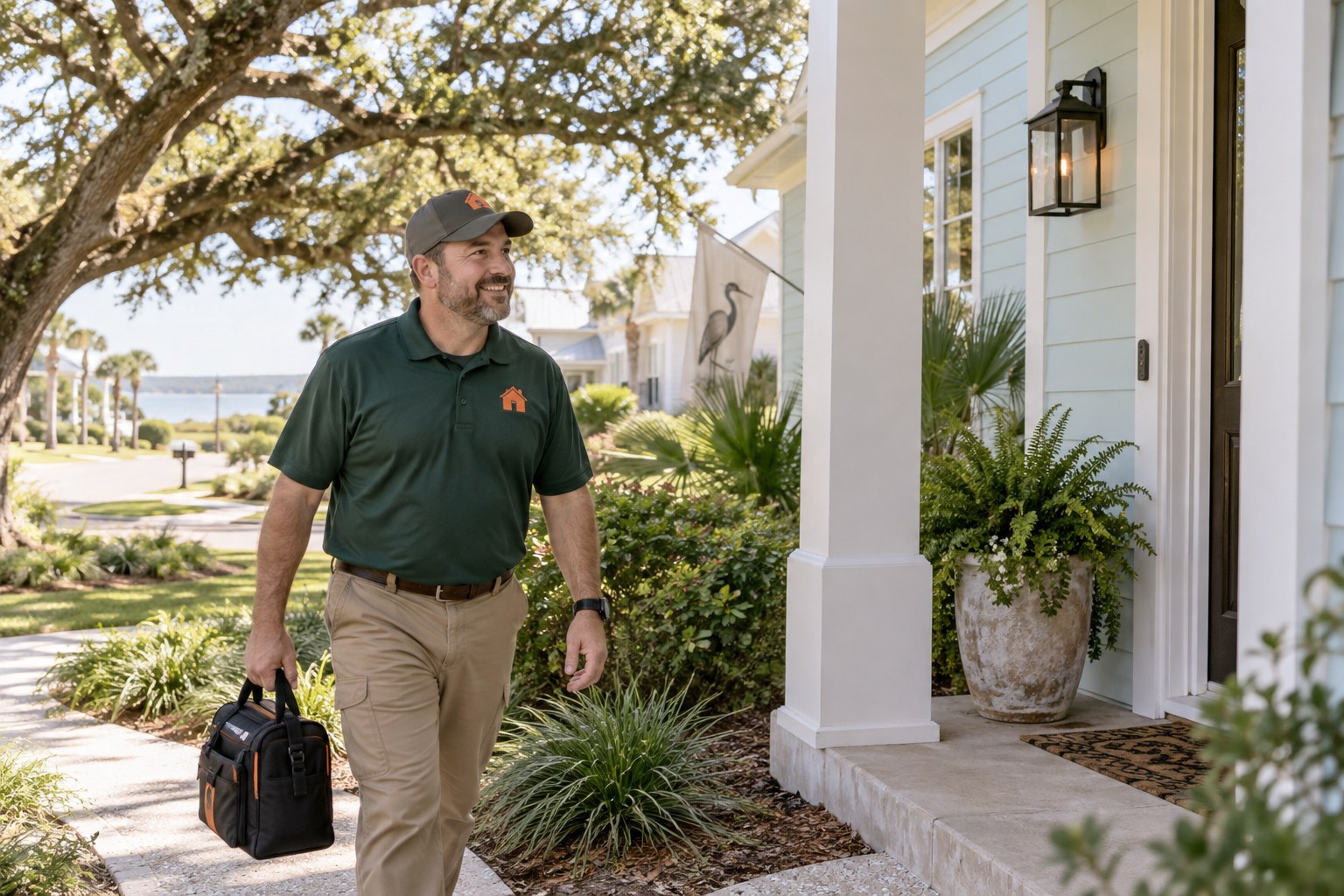
Most subdivision homes are built from a handful of floor plans, which means the doors, frames and locks follow familiar patterns. A front entry with a deadbolt, a garage entry into a laundry or kitchen, a rear door or slider to the yard. A technician who has worked on many such homes knows where the weak points usually are before arriving.
The common weak points are predictable. Strike plates held by short screws, garage entry doors with a light knob lock, sliders with a minimal latch, and builder-grade hardware that wears out in a few years. None of these is unusual, and all of them can be improved in a single visit without changing the look of the house.
Because homes in a subdivision look alike from the street, the interior details matter more. What distinguishes a secure house from a vulnerable one is the quality of the hardware and how well it is installed. A short walk-through with a technician tells you which category your home falls into.
Buying a home and rekeying before you move in
Many Gonzalez households are new arrivals who have bought a home recently. Before moving boxes in, a rekey is one of the best early steps. The sellers, their agents, inspectors, appraisers and contractors may all have handled keys at some point. Rekeying removes that history in a single short visit.
The technician rekeys the front, back, garage entry and any side doors, and cuts the number of keys you request. If the garage door opener has a keypad, change that code at the same time. Builders and previous owners often leave default codes, and these are widely known.
Ownership or authority is confirmed first, and a closing document or similar record with the address does the job. If you have not yet closed but have been given access, wait until the sale is final, because the right to change locks belongs to the owner.
The garage entry as the real front door
In a family home, the garage is where life happens. Groceries come in that way, children drop their bags there, and the door into the house is used far more than the front. It is also usually the least protected door, with a plain knob lock and a thin frame.
A deadbolt on that door, with a reinforced strike and a solid core, makes it much harder to force. Many break-ins start with an unlocked garage or a forced entry door. Keeping the garage door closed, even when you are home, removes the easy approach.
A keypad deadbolt suits the garage entry well. Family members carrying bags can type a code without hunting for a key, and the code can be changed whenever needed. The technician checks that the door closes squarely so the bolt throws without effort.
Sliding doors that open to the yard
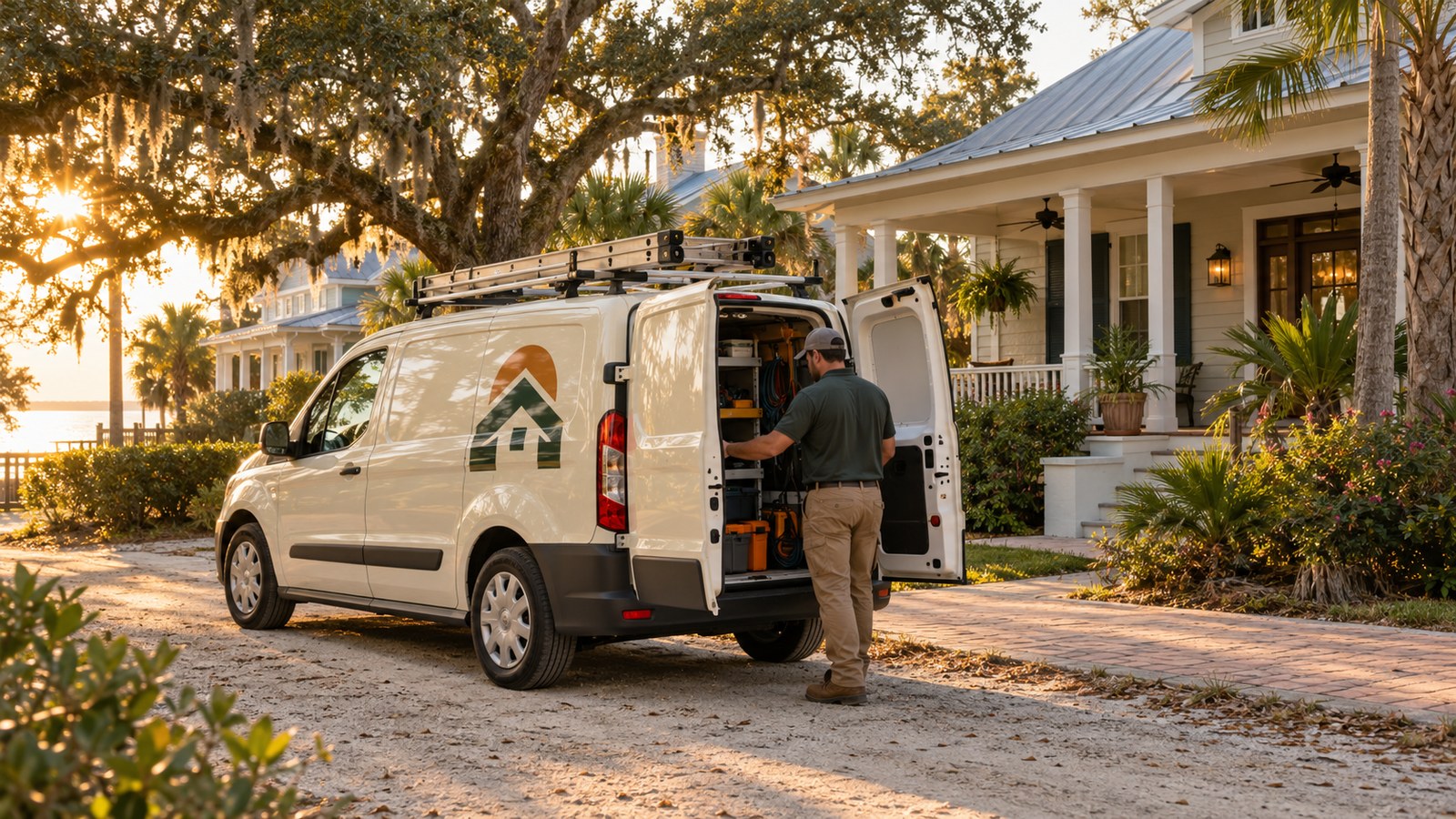
Backyard sliders are a feature of many family homes, and they carry two weaknesses. The latch is small, and the track collects dirt and debris that keep the door from closing fully. A door that looks closed may not be latched.
Clean the track, check the rollers, and test the latch. Then add a secondary lock: a pin through the frame, a bar in the track, or a keyed latch. The technician can install what suits your door and adjust the rollers so the glide is smooth.
With young children, think about the lock's height. A latch placed high keeps toddlers from opening the door alone, while adults can reach it easily. Pets also learn to push on sliders, so a firm latch matters. Ask the technician for placement ideas.
Key management for a busy family
Parents, teenagers, grandparents, a babysitter and a neighbor: a family can easily have a dozen keys in circulation. The trick is to have a plan. Decide who truly needs a key and who can use a code, and keep a short list.
Keypad locks reduce the problem. Each person receives a code, and you can remove codes without chasing keys. A mechanical backup remains wise, and a spare held by a trusted person nearby is a good fallback.
If a key goes missing, a rekey is straightforward and does not require new hardware. It is often better to act early than to wonder for months whether a lost key is in a stranger's hands.
Lockouts at home and in the driveway
Lockouts happen to everyone eventually. The door swings shut with groceries inside, a child pulls it closed, a key breaks off in the lock. Call and describe the situation: which door, what kind of lock, and whether anyone is inside.
The technician confirms ownership or authority before opening anything. A lease, ID or document with the address will do. If a child is inside alone, say so at once, and tell the dispatcher so the situation can be handled with care.
Non-destructive methods are tried first. Most residential locks open with picking or bypass. If a lock is jammed or broken, the technician explains the next step and what hardware may be needed. Call to confirm availability.
Humidity, pollen and everyday lock wear
Gulf Coast air carries moisture, and in spring the pollen is thick. Both get into locks. A key that goes in rough and turns with a grind is a common complaint, and it is often early corrosion or a film of pollen and dust.
A technician can clean a cylinder and apply a dry-film lubricant. That solves many problems and avoids replacement. Avoid spraying oil into the keyway yourself, because oil traps dust and makes things worse over time.
If the lock continues to stick after cleaning, the cylinder may be worn. Replacing a cylinder is often cheaper in time than replacing the whole lock, and the technician will tell you which course makes sense.
Keypad and smart locks for families
Smart locks suit families because they reduce key problems. A code for each person, a temporary code for a visitor, and a record of changes in some models all help. The key is not to buy more technology than you need.
Installation quality matters. A bolt that drags drains batteries and causes failures. The technician checks the strike and the door alignment, installs the lock and tests it repeatedly with the door closed.
Think about backup. A key, a code and a spare battery plan give you three ways in. Teach the household how the lock works, and make sure everyone knows what the low-battery warning sounds like.
Renting out a room or a whole house
Some owners rent a room, a garage apartment or the whole house. The locks then need a plan. A tenant who has a key to the front door and a lock on their room has privacy, and the owner keeps control of the shared areas.
A technician can rekey the exterior locks between tenants and install a lock on a bedroom door if the arrangement calls for it. Interior locks are generally simple and are not meant to resist force, but they provide privacy.
Make sure you understand local requirements and keep agreements in writing. Your locksmith confirms your authority as owner or manager before working, and the paperwork you keep for the tenant helps if questions arise later.
Hurricane season and your doors
Families prepare for storms, and doors are part of the routine. Make sure each door seats firmly, each deadbolt extends fully, and the garage entry closes tightly. Loose doors rattle under wind pressure and can fail.
After a storm, check for doors that stick or latches that no longer line up. If a lock turns hard, avoid forcing it. Call and describe the problem, and the technician can say whether a simple adjustment will do.
If your family left town and others had keys during the evacuation, consider a rekey on return. It resets control and brings peace of mind after a stressful time.
Booking a visit in Gonzalez
Call us and tell us what is happening. Describe the door, the lock and the problem, and say whether you own or rent. We confirm availability by phone and give a quote for routine work during the call.
For complicated jobs, a technician visits first, and the service call charge is explained before dispatch. Added work is discussed and agreed at the door before it begins.
Have proof of residence or authority ready, along with any keys. The technician checks ownership or authority first, completes the work, tests each lock with you and explains what was done.
Teenagers, curfews and the front door
A house with teenagers has a different relationship with its locks. Teens come home late, forget keys, lend them to friends and sometimes leave a door unlatched. Parents face a balance between trust and practical security, and the lock can either help or get in the way.
A keypad deadbolt often resolves the tension. Each teen has a code, the code works every time, and a parent can see to it that nothing is lost in a pocket at the bottom of a gym bag. If a code is shared with someone who should not have it, it is changed in a minute rather than requiring a rekey.
Talk with your teenagers about the rules: never prop a door open, never share a code, never hide a key outside. A technician can show them how the lock works and why it matters. Clear expectations, plus a lock that makes compliance easy, work better than lectures.
Hardware grades and what they mean for a busy house
Locks are sold in grades that reflect how much abuse they are built to take. Basic grades suit light use and low risk. Heavier grades use thicker metal, stronger springs and tougher bolts, and they hold up under years of daily slamming by children and groceries. For an active family door, the heavier grade is often worth considering.
Grade is not the whole story. A strong lock on a weak door is still weak, and a modest lock on a well-built door and frame may be adequate. The technician looks at the combination, not just the lock. If the door itself is hollow and thin, there may be little point in an expensive bolt.
Ask the technician to show the difference in hand. Weight, smoothness and the sound of the bolt tell you much. You do not need the most expensive option, but a lock that feels solid will probably last longer and cause fewer calls.
Package theft and the front porch
Parcels left on the porch are a common target in suburban neighborhoods. A locking delivery box, an arrangement with a neighbor, or delivery to a locker location all reduce the risk. A lockable box bolted to the porch is a modest solution that many families find worthwhile.
A locksmith can fit a lock to a porch bench or storage chest, or recommend a box that suits your space. Choose outdoor-rated hardware, because plain steel rusts in the Gulf Coast climate. A combination lock removes the need to track another key.
Do not forget the mailbox. If your mail contains documents, checks or statements, a locking mailbox gives protection against theft. It is a small purchase that guards against a much larger problem, and a technician can install or replace the lock.
Moving out, selling and handing over the keys
The sale of a house means handing over keys, and it is wise to do it deliberately. Collect every key, including those given to relatives, neighbors and service people. Note what you hand to the buyer, and what you destroy or keep.
Some sellers choose to rekey before closing, so that the buyer receives a house with fresh keys. Others leave that to the new owner. Either is acceptable, but the new owner should rekey soon after moving in, because nobody can be sure of every copy.
If you are the buyer, remember to change garage codes, gate codes and alarm codes as well. Locks are only part of the picture. A technician can handle the locks, and you can handle the rest with the help of the previous owner's notes.
Interior doors: bedrooms, offices and storage
Interior locks are mostly about privacy, but they have real uses in a family home. A lock on an office door protects documents. A lock on a closet or cabinet keeps medicines, tools or firearms away from children. Each of these is a different tool for a different purpose, and they should be chosen with that in mind.
Privacy locks on bedrooms and bathrooms are meant to be opened from outside with a small pin in an emergency. A technician can install them correctly, and show you how the emergency release works. That matters if a child locks themselves in, and it is worth knowing before it happens.
For safety storage, use a lock built for the purpose, not a hook-and-eye. Keyed cabinet locks, combination locks and locking safes all serve different needs. Describe what you want to protect, and the technician can suggest something appropriate and fit it properly.
Lights, locks and routines for a house that is empty on school days
Households with working parents and school age children often leave the house empty for long stretches on weekdays. That predictable pattern is worth planning around. Locks are only one part of the picture, since visible signs of occupancy such as lights on a timer, a tidy yard and a parked vehicle make a house look less like an easy target.
Consider what happens at the transitions: the moment the last person leaves, and the moment the first person returns. Doors left unlatched for a late teenager, a back door propped open for the dog, or a garage entry left unlocked because the car is inside all create gaps. Agreeing on a simple routine, such as checking the back door and the garage entry before everyone leaves, closes them.
A technician can help by making sure each door latches firmly and locks without special effort, because a stiff or awkward lock is one that people skip. Rekeying so the family shares one key, or adding a keypad so children do not carry keys, reduces lost key problems. Ask about options during a visit, and call to confirm availability for a time that suits your schedule.
Pets, doggy doors and weak spots
A pet door can be convenient, and it can also be a hole in the wall. Large pet doors on a wooden or glass door give a person a way to reach the lock, and a determined intruder may fit through a larger one. If you have a pet door, place it where it does not allow easy access to a deadbolt thumbturn.
Look for models with a locking panel that closes at night, and mount them in a door where the lock sits well above reach. A technician can advise on placement, and can reinforce the door around the opening. Some owners install the pet door in a wall or an outbuilding instead.
Questions people ask us
Should I change the garage door keypad code after buying a home?
Yes. Previous owners and builders may know the old code. Changing it takes minutes and closes a gap. The technician can also rekey the locks on the garage entry door at the same visit, after confirming your ownership.
Is a sliding door lock enough on its own?
The factory latch is often minimal. A pin, bar or keyed secondary lock adds real resistance. The technician also cleans the track and adjusts the rollers, since a door that does not close fully is not locked.
Can I use a keypad lock instead of keys for my family?
Yes, many families do. Each person gets a code that can be removed later. Keep a mechanical key as backup and spare batteries on hand. The technician checks door alignment before installing.
What does a rekey involve?
The technician removes each cylinder, replaces the internal pins to match a new key, reinstalls it and tests the new key. Old keys stop working. The hardware stays on the door. Ownership or authority is confirmed first.
How do I get a quote?
Call us and describe the work. Routine jobs are quoted by phone. If a technician needs to look first, the service call charge is explained before dispatch. Call to confirm availability.