

Living where land and water meet
On a peninsula surrounded by water, the day starts with a breeze off the bay and ends with damp air settling on everything outdoors. Residents get used to it, and to the extra upkeep it requires: rinsing the boat, wiping the railings, replacing rusted screws. Locks belong on that list, and most owners put them there only after one has failed.
Water affects locks in three ways. Moisture encourages rust in steel parts, salt in the air speeds corrosion in brass and plated finishes, and humidity swells wooden doors so that bolts bind. A lock may suffer all three at once, which is why waterside hardware often looks tired well before the calendar says it should.
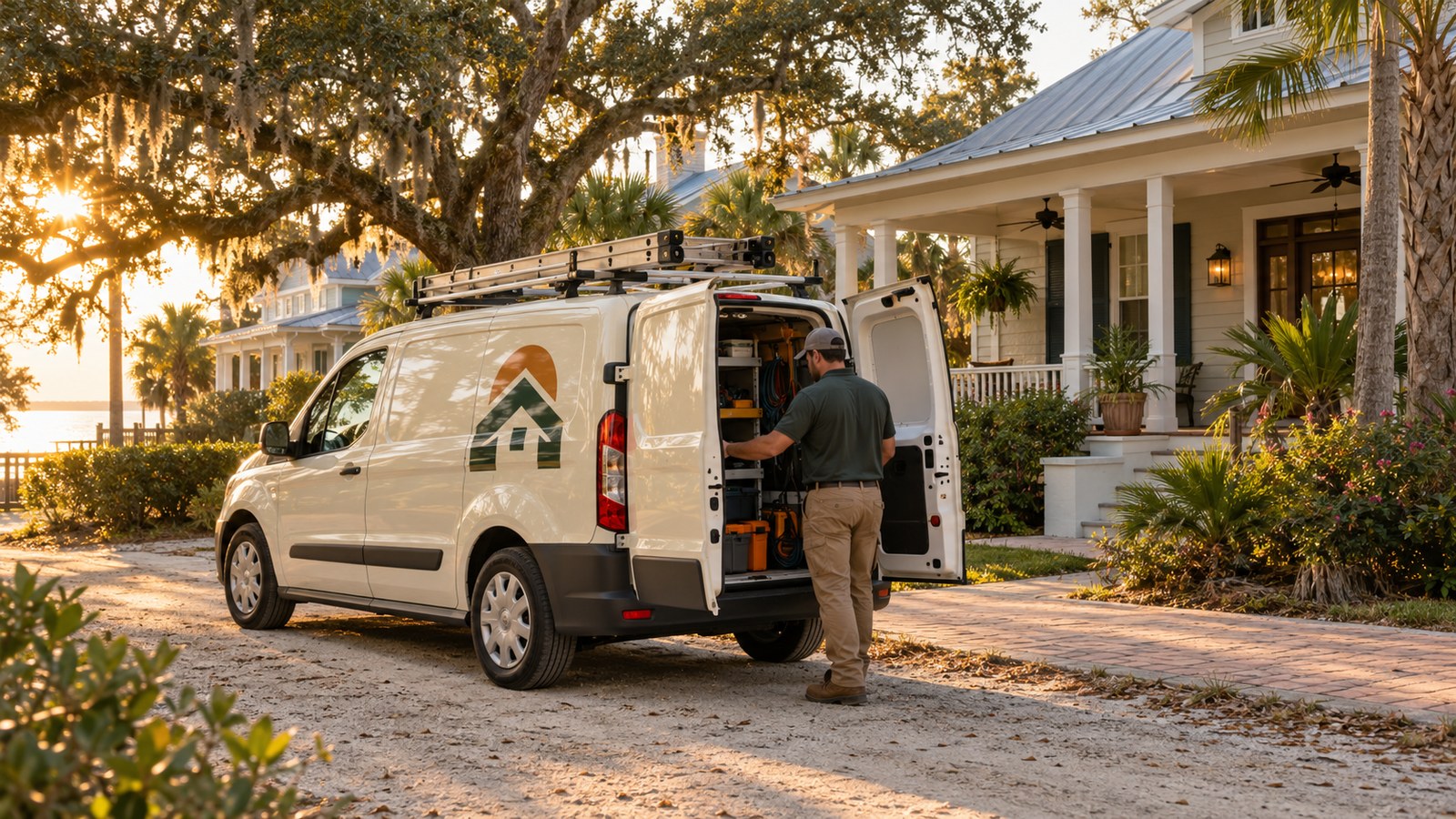
A mobile locksmith who works around the bay knows these patterns. Instead of treating each symptom separately, the technician looks at the whole door: wood condition, frame alignment, hinge strength, strike position and the lock itself. Often a combination of small corrections does more than a single new part.
Dock gates, boat lifts and waterfront storage
Many homes here have a gate leading to a dock or a seawall walkway. The lock on that gate is exposed to spray, sun and wet hands, so it fails faster than almost anything else on the property. When it fails, the usual outcome is a gate left latched with a bungee cord or a loop of rope, which protects nothing.
A better arrangement uses a marine-grade lock with a stainless or coated body and sealed internals. Combination and keypad types avoid the need for keys in wet hands and can be changed when crew or guests change. The technician can match the lock to the gate material and make sure the latch lines up properly.
Boat lifts, electrical boxes and dock lockers often have small locks too. These are worth the same attention, because a locked box near the water is a different proposition from a box held shut by corrosion. Replace seized locks before they trap you out of your own equipment.
Boathouses, sheds and gear rooms
Waterfront properties accumulate equipment: life jackets, fishing tackle, paddleboards, outboard parts, tools, ropes. A shed or gear room holding all this is a natural target, and the door is often locked with one padlock on a light hasp. Because the shed sits near the water, that padlock rusts at speed.
The best improvements are simple. Mount a heavy hasp with bolts through the door, protect the shackle with a shroud, and choose a padlock rated for outdoor and marine use. Apply a dry lubricant once or twice a year. These changes make forced entry harder and extend the life of the lock.
Think also about what is inside. Outboard motors, electronics and specialty gear are valuable and portable. A second lock inside, on a cabinet or a cable, adds a barrier. A technician can suggest sensible layers without turning a shed into a vault.
House doors near the bay
The main house has the same needs as any home, plus the coastal wear. Front and back doors should have deadbolts that extend fully, strikes fastened with long screws and hinges that are firmly anchored. In damp locations, check these fasteners regularly, because rust weakens them silently.
Glass doors facing the water are popular for the view, and they raise a security question. A glass panel next to a lock is vulnerable. A keyed deadbolt on the inside means that a broken pane does not give access to the thumbturn. Other options include laminated glass or security film.
Because water views often face away from the street, the water side door may be the least visible. Treat it as the most vulnerable. A good lock, a clear sightline from the neighbor side, and an outdoor light on the dock side all help.
Spotting corrosion before it locks you out
Corrosion usually leaves signs. A faint white or green crust around the keyway, a key that goes in with a rough feel, a latch that needs a push to retract, screws with orange rust on their heads. Each is a signal that the lock is under attack.
Early action helps. Wipe the lock face with a damp cloth to remove salt, dry it, and apply a dry-film lubricant. Replace rusted screws with stainless steel ones. These steps cost little and can add years to a lock.
Once a cylinder is pitted inside, cleaning only delays failure. A technician can open it, look at the pins, and tell you honestly whether it has life left. Replacing a corroded cylinder before it jams is far less stressful than a lockout.
Lockouts on the water side
A lockout can happen at the dock as easily as at the door. You step out to tie up the boat, the door swings shut, and the key is inside. Or you come back from a day on the water with wet pockets and no key. Call, describe the door and the lock and tell us where you are.
The technician confirms ownership or authority on arrival. A document, ID or contact with the owner will do. This protects your home from false claims and applies in every case.
Picking and bypass are tried first. If salt has seized the lock, the technician explains what can be done, which may include drilling and replacement. Call to confirm availability, because scheduling depends on where technicians are working.
Hurricane season and waterfront properties
Waterfront homes feel storm season more directly. Before a storm, secure docks and gear, and check that doors close and latch firmly. A door that holds on a calm day may flex in a gale, and the weakest latch is where it gives.
After a storm, inspect every lock. Salt water, sand and debris can lodge in the mechanism or bend hardware. If a key feels different, avoid forcing it and call for help.
If gates or storage buildings were damaged, a locksmith can repair latches and replace hardware. Bring proof of residence, since ownership is checked before work. If many people had access during cleanup, consider a rekey.
Keypad and smart locks near moisture
Electronic locks work well in waterside homes when chosen carefully. Look for sealed keypads and finishes rated for salt exposure. Cheaper models may fail in a season. Ask the technician which models have held up in local conditions.
Alignment matters even more with electronics. A swollen door that binds the bolt strains the motor and shortens battery life. The technician adjusts the strike and tests the bolt several times with the door closed.
Always keep a mechanical key as backup. Replace batteries on a schedule. A backup key stored with a trusted person gets you in when electronics fail.
Rekeying a waterfront home you just bought
A waterfront purchase often includes many keys: house, garage, dock, boat shed, sometimes a boat or a golf cart. Previous owners, caretakers and guests may all have had copies. A rekey after closing ends that history for every lock you choose.
The technician can rekey the house doors and the outbuilding locks together or in groups. A common plan is one key for the house, a second for the dock and sheds, so that a guest or helper can use one without the other.
Ownership is confirmed first, with a closing document or deed. Marine and boat keys are separate matters, and the technician will tell you what can be handled at the visit.
Sliding doors and screened porches
Screened porches are a feature of many bay homes. The screen door latch is light and not meant to resist force. The inner door behind it is the real barrier, so give that door a good deadbolt and a sound frame.
Sliding doors to decks need secondary locks. A bar in the track, a pin or a keyed latch can all help. Keep the track clean of sand and salt crust, because grit stops the door from closing fully.
If your porch is used for sleeping or entertaining late, consider how the door is locked at night. A thumbturn within reach of the screen is a weakness, and a keyed lock is better.
Booking a visit at Innerarity Point
Call us and describe your property, the doors, gates and buildings involved and the problem. Mention if the lock is near water. We confirm availability by phone and give a quote for routine work during the call.
Some jobs are better judged in person than over the phone, such as a damaged cylinder, a warped door or an unfamiliar commercial hardware set. In those cases a technician comes out to look before anything is taken apart, and the reason for the visit charge is explained before the trip. If the assessment turns up extra work, you hear about it on the doorstep and decide whether to go ahead.
Have proof of residence or authority ready, along with any keys. Give clear directions to the property. The technician checks authority first, completes the work and tests it with you.
Wood, paint and the damp edge of a door
Wood doors near the water absorb moisture through any unpainted surface, especially the bottom edge and the top edge, which are rarely sealed. The door swells, the latch drags, and in time the lower hinge sags and the strike no longer lines up. Owners often blame the lock when the door itself is the cause.
Sealing all six sides of a wood door with paint or a marine-grade finish slows this process dramatically. A technician cannot paint the door, but can remove the lock and strike so that the finish can be applied properly, and then refit them. That coordination avoids paint in the mechanism and gives a cleaner result.
If the door has already swollen, do not force it with a hard shoulder. Let it dry if possible, and check the hinge screws. A loose upper hinge pulls the door down against the strike. Tightening or replacing the screws with longer ones often restores the fit without any further work.
Kayak racks, outdoor showers and shared outdoor spaces
Waterfront life brings outdoor fixtures that need their own protection: kayak racks, paddleboard storage, outdoor shower enclosures, fish-cleaning stations, and utility closets for pumps and filters. Many of these are locked with the same cheap padlock, bought in a multipack, with keys that look alike and rust together.
A better habit is to treat each by its use. Equipment you leave out overnight deserves a cable and a good padlock through the frame. A utility closet with a pump may need a keyed latch that stays working all year. Mixing a few higher-quality locks with a single key pattern keeps things simple.
If neighbors or family share some of these spaces, agree who holds a key and how the lock is maintained. A lock that nobody oils will seize, and the first person to need it will be the one who finds out. A short note in the shed with the care instructions helps more than people expect.
How a technician decides between cleaning and replacing
When a corroded lock arrives on the bench, the technician asks a few practical questions. Does the key enter smoothly? Does the plug turn without grinding? Are the pins moving freely, or are they rusted in place? Is the housing cracked or pitted? A lock that passes these tests can often be cleaned, lubricated and returned to service.
A lock that fails them is better replaced. Springs lose tension, pins wear flat, and corrosion eats into the brass of the plug. Cleaning might give it a few more months, but it will not give it years. The technician says so plainly, and explains what the replacement would involve, so you can choose with accurate information.
For hardware in the spray zone, replacement with a coastal-grade lock is usually the long-term answer. For hardware that is sheltered, cleaning may suffice. Ask the technician where each lock falls, and plan a sensible mix rather than treating every lock as an emergency.
Guests, fishing trips and borrowed houses
Waterfront homes draw visitors: relatives for the holidays, friends for a fishing weekend, a family renting the place for a week. Each of these brings keys, codes and expectations about how the house works. A short written note by the door explaining the lock, the gate and the dock latch saves phone calls and mishaps.
For visitors, a keypad code is often the neatest answer, because it can be changed after they leave. For mechanical locks, keep a separate guest key that can be retired, and a master key you hold yourself. Never leave a guest key in the lock or under the mat.
If something goes wrong, such as a guest locked out at night or a key lost on a boat, the owner's authority is what the technician needs. Be reachable by phone, or tell the guest how to reach you. A quick confirmation from you lets the technician proceed without delay.
Fish houses, workshops and the habit of leaving things unlocked on the water
Waterfront life has a relaxed rhythm, and it is common for people to leave a boathouse or a gear shed unlocked because they are in and out all day. That habit is understandable, but it also invites trouble, especially when a property is visible from the water and from a passing dock. Outboard motors, fishing rods, tackle and tools are all easy to carry. A basic locking routine, done each evening, is a small price compared with replacing equipment.
Padlocks for marine settings should be built for the environment. Stainless or specially treated bodies resist salt much better than plain steel, and a shrouded shackle makes cutting harder. Cover keyways when you can, and lubricate with a dry product to keep grit out. A technician can recommend suitable padlocks and hasps and replace any that have started to rust shut. Matching all of them to the same key keeps your ring light, which also helps when you are carrying bags down to the water.
If friends or relatives borrow your waterfront place for a weekend, think about how they will get in and out. A keypad lock on the main door lets you give a temporary code and remove it later, without handing out a key that might not come back. For outbuildings, a combination padlock can serve the same purpose. Whatever you choose, keep a record of who has access and review it from time to time. A little structure turns a casual setup into one that is easier to trust.
Maintaining a few locks well
If you do nothing else, pick the three or four locks that matter most and keep them in good shape: the front door, the back door, the dock gate and the main shed. A minute with a cloth every few weeks, and a dry lubricant twice a year, beats an expensive repair after a failure.
Note the date of any work in a simple list. When a technician replaces a lock, write down what was fitted and when. Next time it fails, you will know how long it lasted, and whether the interval suggests a different choice of hardware.
Share what you learn with neighbors. Waterfront owners know each other, and a tip about which padlock survived a hard summer, or which finish held up, is worth more than a catalog. A technician can add the professional view, and together you build a sensible sense of what works on the bay.
Questions people ask us
What lock should I use on a dock gate?
A marine-grade lock with a stainless or coated body and sealed internals lasts longest. Keypad or combination types avoid keys in wet hands. The technician matches the lock to the gate and aligns the latch so it closes every time.
Why do my locks rust so fast near the bay?
Salt in the air and constant moisture attack steel parts and thin plating. Rinsing, drying and dry lubricant help, as do stainless fasteners and coastal-rated hardware. A pitted cylinder is better replaced than cleaned again.
Can you rekey my house and shed to different keys?
Yes. Locks can be grouped so one key opens the house and another opens the dock and sheds. That way a helper or guest can have one without the other. Ownership or authority is confirmed first.
Is it safe to use a smart lock near the water?
Many are, if the keypad is sealed and the finish is rated for salt exposure. Keep a mechanical key as backup and replace batteries on a schedule. The technician can suggest models that hold up locally.
What if my gate lock has seized shut?
Tell us when you call. Removing a seized lock without damaging the gate takes patience and the right tools. The technician explains the options and replaces the lock with a marine-grade model if needed.