
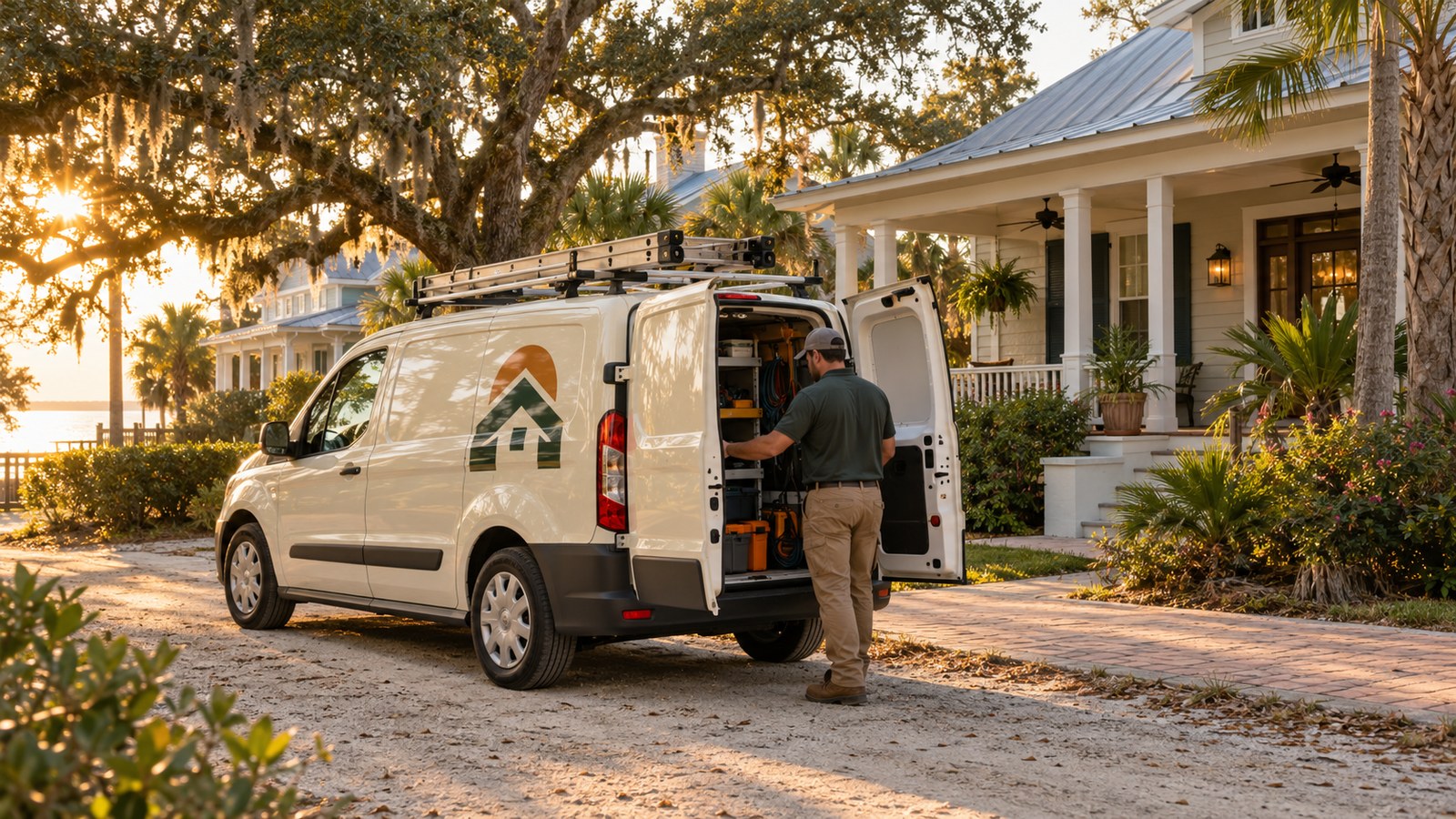
A peninsula of established homes
Gulf Breeze is mostly residential, with neighborhoods that have matured over time. Landscaping is full, homes have been renovated by successive owners, and many have been updated for storm resistance. That history shows up at the door: hardware from several eras, sometimes on a single entry.
Homes here often see long ownership, followed by sales to new arrivals who want to settle in. Each sale brings the same practical question about keys: how many copies exist and who holds them. A rekey is the usual answer, and it fits neatly into the move-in routine.
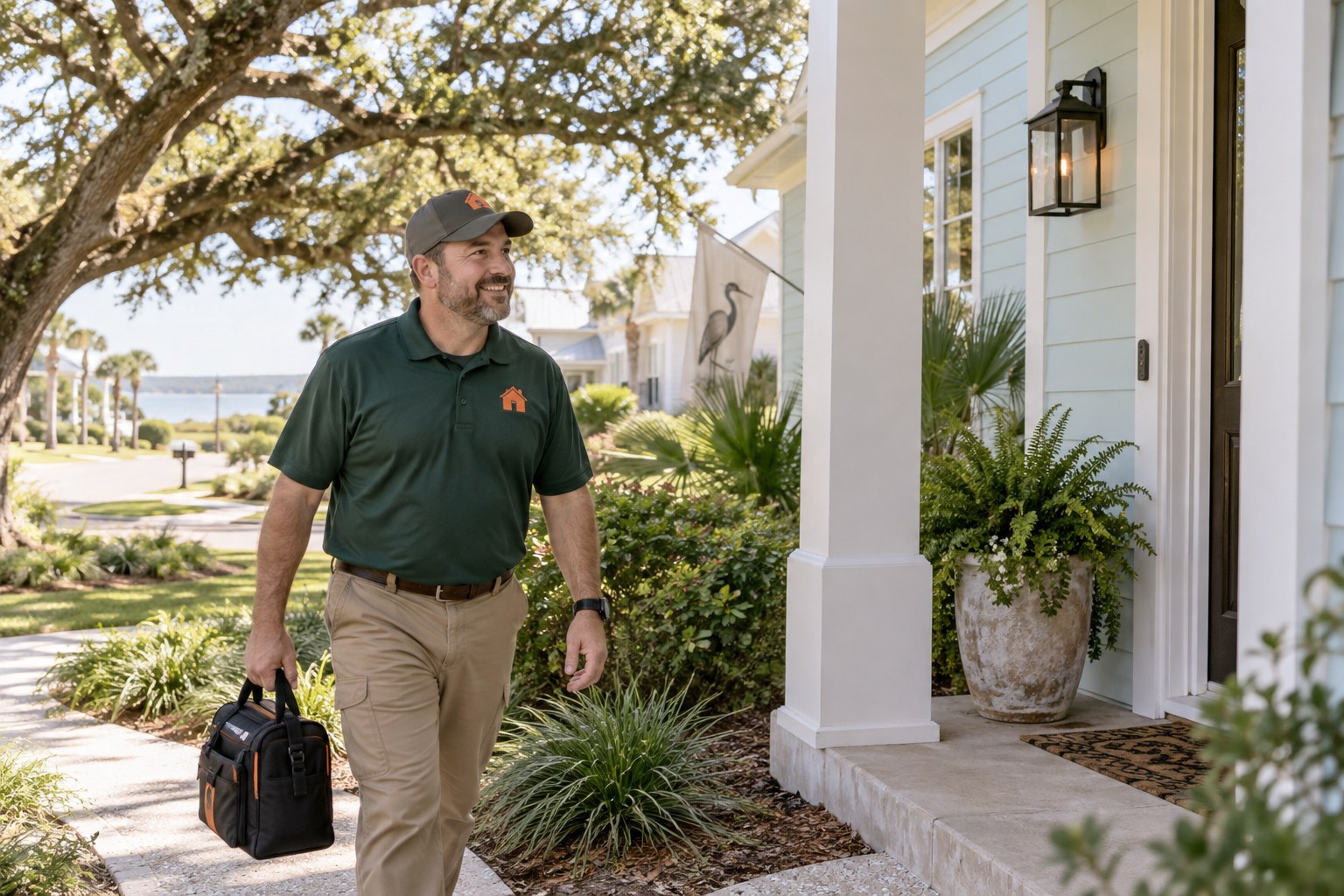
The technician's job is to take in the whole picture on arrival. Which doors are used daily, which are rarely opened, where the glass is, what the frame looks like, and how the hardware has aged. The advice that follows comes from what is in front of the technician, not from a stock list.
Impact-rated and heavy entry doors
Many homes on the Gulf Coast have heavy entry doors built to resist wind and debris. These doors are solid and weighty, and their hardware must match. A light lockset on a heavy door wears fast, because the latch carries more load and the door's mass tests hinges and strike.
Lock preparation on such doors can differ from ordinary ones. Bore sizes, backsets and door thickness may be specific, and drilling into a rated door improperly can affect it. A technician checks the door's specifications and uses appropriate methods and hardware.
If you are unsure whether your door is rated, check the paperwork from installation or ask the installer. The technician will proceed carefully and will tell you if a particular change is better handled by the door manufacturer or installer.
Large glass doors and sliding walls
Waterfront and view homes use large glass doors and wide sliders to bring in the scenery. The locks on those doors are sometimes minimal, because the design emphasizes openness. That makes secondary locking measures especially valuable.
A bar in the track, a pin through the frame, or a keyed secondary latch provides real resistance without spoiling the look. A technician can install options that suit your door and keep the appearance clean. Keep tracks clear of dirt and debris so the door closes fully.
Heavy sliders also wear their rollers. A door that drags is often propped open or left unlatched. Adjusting or replacing rollers restores smooth movement, and the lock then engages as it should.
Garages, side doors and the unseen entries
Large garages with side doors are common in the area. A side door that opens to the yard and out of view from the street is one of the first places an intruder would try. Its lock and frame deserve attention equal to the front door.
A deadbolt with a reinforced strike and a solid door raise resistance considerably. If the side door has glass, a keyed deadbolt keeps a broken pane from giving access to the thumbturn. Lighting on that side of the house helps too.
The door between garage and house is the second barrier. Make sure it locks, and that the family actually uses the lock. A keypad on that door suits households that come and go with arms full.
Rekeying after buying a home
Buying a home on the peninsula often involves a longer closing process, inspectors, appraisers, contractors and sometimes temporary tenants. Each may have handled a key. Rekeying after closing resets that history in one visit.
The technician rekeys all exterior doors and any gates or outbuildings you choose. You can have everything on one key or divide it. Think about who in the household needs which access, and tell the technician.
Ownership or authority is confirmed first, and a closing document or deed will do. The technician then performs the work, tests each lock and hands over the keys.
Lockouts and the check that protects you
Lockouts happen to everyone. The door closes with the key inside, a spare turns out to be wrong, a lock fails halfway. Call, describe the door and the lock, and say whether anyone is inside.
The technician confirms ownership or authority on arrival. A document, ID or call to the owner will do. It is a basic safeguard that protects your home from false claims.
Picking and bypass are tried first, and most residential locks open without damage. If a lock is broken or corroded, the technician explains the options. Call to confirm availability, since scheduling depends on where technicians are working.
Wind, salt and long-term hardware wear
The peninsula gets steady breezes with a little salt. Locks on doors facing the water or open lots show wear sooner than those on sheltered doors. Finishes dull, springs weaken and screws corrode.
Rinsing hardware after salt-laden storms, drying it and applying dry lubricant two or three times a year slows the wear. Replace rusted screws with stainless ones. A technician can inspect during a visit.
When a lock must be replaced, choose coastal-grade hardware for doors facing the weather. Interior doors need not be so robust, and a mixed plan keeps costs reasonable.
Keypad and smart locks for busy households
Smart locks suit homes with many comings and goings. Codes for family, caregivers, pet sitters and contractors can be set and deleted without handing out keys. Some models send alerts when the door is used.
Installation depends on the door. Heavy doors need strong bolts and well-aligned strikes. The technician checks the fit, installs the lock and tests it several times with the door closed.
Keep a mechanical key for backup, and keep spare batteries. Teach the household how the lock works, and make sure everyone knows the low-battery signal.
Waterfront docks and boat storage
Some Gulf Breeze homes have docks, boat lifts and boat storage. The gates and sheds there face the same coastal wear as elsewhere. Marine-grade locks and hasps last longer than standard ones.
A keypad lock suits a dock gate used by many people. A shrouded padlock suits a shed. A technician can recommend the right type and install it so the latch aligns.
If a lock has seized, tell us when you call. Removing it without damaging the gate takes patience.
Hurricane season preparation
Before a storm, check that every door closes and latches firmly and that deadbolts extend fully. Loose doors rattle under wind and can fail at the latch.
After a storm, inspect each lock. Salt water, sand and debris can damage hardware. If a lock feels different, avoid forcing it and call for help.
If many people had access to the house during evacuation or cleanup, consider a rekey. Ownership is confirmed before work, so keep proof available.
Renters and landlords on the peninsula
Some homes are rented. A tenant should ask whether the locks have been changed since the last occupant. A landlord should rekey between tenants as a basic precaution.
A technician can handle the rekey and label the keys. Tenants who want to add a lock should ask permission first. The technician confirms authority before work.
Multiple units can be rekeyed in one visit. Provide a list of addresses and key counts, and the work can be planned.
Booking a visit in Gulf Breeze
Call us and describe the job. Mention the type of door, the lock and the problem. We confirm availability by phone and give a quote for routine work during the call.
For complicated work, a technician visits first, and the service call charge is explained before dispatch. Added work is discussed and agreed at the door before it begins.
Have proof of residence or authority ready, along with any keys. The technician checks authority first, completes the work and tests it with you.
What happens inside a deadbolt when you turn the key
It helps to understand the mechanism, because it explains why locks fail the way they do. Inside the cylinder is a row of small spring-loaded pin stacks. Each stack has a driver pin on top and a key pin below it. When no key is present, the drivers cross the line between the plug and the housing, so the plug cannot rotate. The right key lifts every stack so the gaps line up exactly at that line.
Once the line is clear, the plug turns, and a small cam at the back of the cylinder moves the bolt. Wear, grit or corrosion on any of those parts changes the way the stacks line up. That is why a key can feel fine one day and rough the next, and why a lock that is almost working is a poor bargain for long.
Rekeying simply replaces the key pins with a set matching a different key. Because the housing and plug stay the same, the lock looks untouched. Understanding this makes it easier to see why rekeying is quick, why old keys then fail, and why a technician can tell by feel how much life is left in a cylinder.
Matching hardware to how a household lives
No single lock suits every family. A household with young children may want a lock they cannot reach, a retired couple may want levers that are gentle on the hands, and a family with many visitors may want codes rather than keys. The technician begins by asking how the door is actually used, not by pushing a product.
Door traffic matters. A front door used rarely can carry a modest lock, while a garage entry used twenty times a day needs a sturdy one. A back door that doubles as a pet door needs a latch that holds under repeated pushing. The best hardware is the kind that fits these facts and is easy to forget about.
Budget your attention as well as your money. A lock that needs frequent battery changes, code updates or adjustments may be more trouble than it is worth for some households. Others will enjoy the control. The technician can lay out the tradeoffs plainly so you choose with open eyes.
Windows facing the water and the lock behind them
Large windows and doors facing the bay are a feature of many Gulf Breeze homes, and they carry two concerns. One is security: ground-level windows facing the water may be out of sight of neighbors. The other is wear: those windows take the most wind and salt, so their latches corrode and loosen first.
A technician can check window latches during a visit and replace those that no longer hold firmly. A pin that limits how far a window opens allows ventilation without leaving a large gap. Where windows open onto decks, keyed latches add another layer without spoiling the view.
Do not neglect the sliding screens and storm shutters. Their latches and tracks are often the weakest part of the opening. Ask about them while the technician is at the house, and decide what is worth improving. A short list of sensible changes is better than an exhaustive overhaul.
Preparing for a visit to make it quick
A little preparation shortens any visit. Clear a path to the door, put pets in a quiet room, and move vehicles that block access. If the work involves several doors, unlock the ones that can be opened, so the technician can reach them without delay. Have the keys you do have ready, including worn or doubtful ones.
Gather proof of residence or authority: a closing document, a lease with landlord approval, an ID with the address, or a utility bill. The technician will ask for it before opening or changing any lock. Having it ready avoids the awkward moment of searching drawers while the technician waits.
Think about what else you want done while the technician is there. A loose handle, a sticking back door, a missing window latch: say so at the start. A single well-planned visit is easier for everyone than several short ones, and it lets the technician bring the right parts the first time.
Homes with in-law suites, guest quarters and home offices
Many established homes have been adapted over the years: a garage converted to a guest suite, a bedroom turned into a home office, a separate entrance for a relative or a long-term guest. Each adaptation adds a door, and each door should be thought of in terms of who uses it and who must not.
A guest suite with its own entrance can be keyed separately from the main house, so a guest or relative holds a key that opens only their own door. A home office holding client records can have a keyed lock with a different key from the family set. A technician can plan the groups so each person receives only what they need.
For anyone running a business from home, a lock on the office door and a lockable cabinet for papers are worth considering. Ownership and authority are confirmed in the usual way, and the technician will not set up access that conflicts with a lease or an association rule.
Salt-resistant finishes and drainage details for waterside entries
On a peninsula with water on several sides, the question is less whether salt will reach the door and more how quickly. Finishes matter. Solid brass and marine grade options hold up better than thinly plated steel, and a finish that looks bright on the shelf may start to pit within a couple of seasons if it is not suited to the exposure.
Drainage around the door is just as important. A threshold that holds water, a sill that slopes the wrong way, or a handle that sits where rain collects all expose the lock to constant dampness. Small changes, such as a drip edge above the door or a clean weep path in the threshold, move water away from the hardware and extend the life of whatever finish you choose.
When planning new locks, ask about the material of the screws and strike as well as the visible parts. Mixed metals can corrode where they touch, and a fine looking handle may be held by fasteners that rust and stain. A technician can review the door, point out moisture traps and recommend a combination of hardware and small fixes that suits the way the weather reaches your home.
Bridge traffic, commuters and odd-hour schedules
Many residents of the peninsula commute across the bay for work, school or errands, and schedules can be irregular. Someone may leave early and return late, and a lock problem at either end of the day feels worse than it would at noon. Planning for that is part of choosing hardware.
Households with shift workers or travelers often favor keypad entry, because nobody has to remember a key at the wrong hour. A porch light that comes on automatically and a lock that works reliably in the dark matter more than a dramatic feature. The technician can test the lock in low light to be sure the keyhole and keypad are easy to use.
If a problem does arise late, call and describe it. We confirm availability by phone and explain what is possible, without promising times we cannot keep. Better still, deal with a sticking lock during the day, before it becomes a night-time problem that interrupts a long commute home.
Questions people ask us
Can you work on an impact-rated entry door?
Yes, with care. The technician checks the door's specifications and uses appropriate hardware and methods. For changes that could affect a rating, the door manufacturer or installer may be the right contact, and we will tell you.
How do I secure a large sliding glass door?
Add a secondary lock such as a track bar, a pin or a keyed latch, and keep the track and rollers in good condition. A door that does not close fully is not locked. The technician can adjust and install what fits.
Should I rekey after buying a house here?
It is wise. Inspectors, contractors and previous owners may have held keys. A rekey resets access in one visit. Ownership or authority is confirmed first.
Do you install smart locks on heavy doors?
Yes. The technician checks bore size, alignment and the strength of the strike, installs the lock and tests it repeatedly. A mechanical key backup is recommended.
How is pricing handled?
Routine jobs are quoted by phone. If a technician must look first, the service call charge is explained before dispatch. Added work is agreed at the door. Call to confirm availability.