
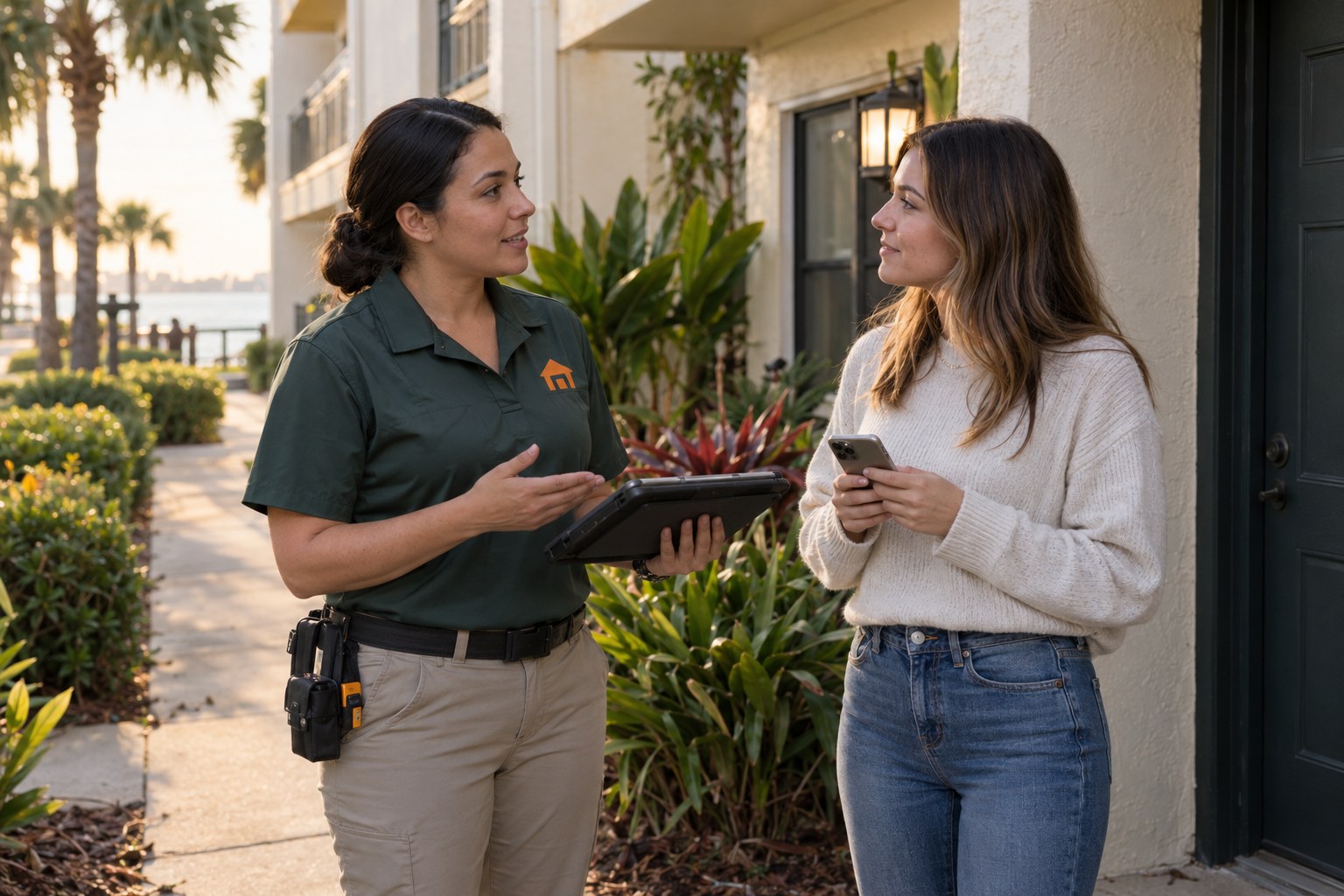
Sand, salt and the slow destruction of door hardware
Few places are as demanding on locks as a barrier island. Salt is in the air constantly, fine sand blows into every gap and humidity never really leaves. Together these form a grinding paste that works into keyways, latch bolts and sliding tracks. A lock that would last for decades inland can feel rough within two or three seasons here.
The first signs are subtle. A key that needs a bit more pressure, a latch that clicks less crisply and a deadbolt that takes two tries are all warnings. If ignored, the lock becomes gritty, then stiff and eventually refuses to turn. Cleaning and lubrication early extends life, and replacing a cylinder is simpler than dealing with a seized lock at checkout time.
Choose hardware that is built for the setting. Sealed cylinders keep out sand. Stainless or marine-grade components resist corrosion. Finishes that are thick and well applied last longer than thin plating. The cost difference is modest compared with replacing locks repeatedly.
When you call, tell us how long the current lock has been in place and where it faces. A door facing the Gulf takes more punishment than one tucked behind a stairwell.
Vacation rentals: the turnover problem
A rental unit sees many occupants in a year, and each one holds some form of access. Keys get lost, codes get shared and a guest may leave with a key in a pocket. The owner or manager needs a system that keeps the unit secure without making check-in a hassle.
Keypad deadbolts are popular because codes can be changed between stays, and no metal key has to be handed over. A lockbox for the front door with a code sent to the guest works similarly. Both depend on batteries and humidity-tolerant hardware, and both need a mechanical backup.
If the unit uses traditional keys, a rekey after each season, or after any lost key, keeps old copies from working. Keying all exterior doors alike makes check-in simple.
We confirm ownership or management authority before working on a rental. A deed, management agreement or similar proof is enough, and we quote by phone.
- Keypad deadbolt with a code per stay
- Lockbox as a backup
- Seasonal rekey for metal keys
- Keyed-alike exterior doors
Condo doors and association rules
Condo buildings add layers of rules. The entry door to a unit is sometimes the owner's responsibility and sometimes part of the building's common elements, with the association setting standards for hardware, finish and sometimes fire rating. Before changing a unit door lock, check your association rules.
Many associations require that a master key or a copy be on file for emergencies. Others prohibit certain lock types. A technician needs to know this before suggesting hardware, so tell us if your building has such rules.
Fire-rated doors also have constraints. The lock, latch and closer all have to work together. Replacing hardware with an unsuitable type can affect the rating. We stick to approved options and explain the choice.
If you are locked out of your condo, building staff may help, and we can assist when needed after confirming your ownership or residency.
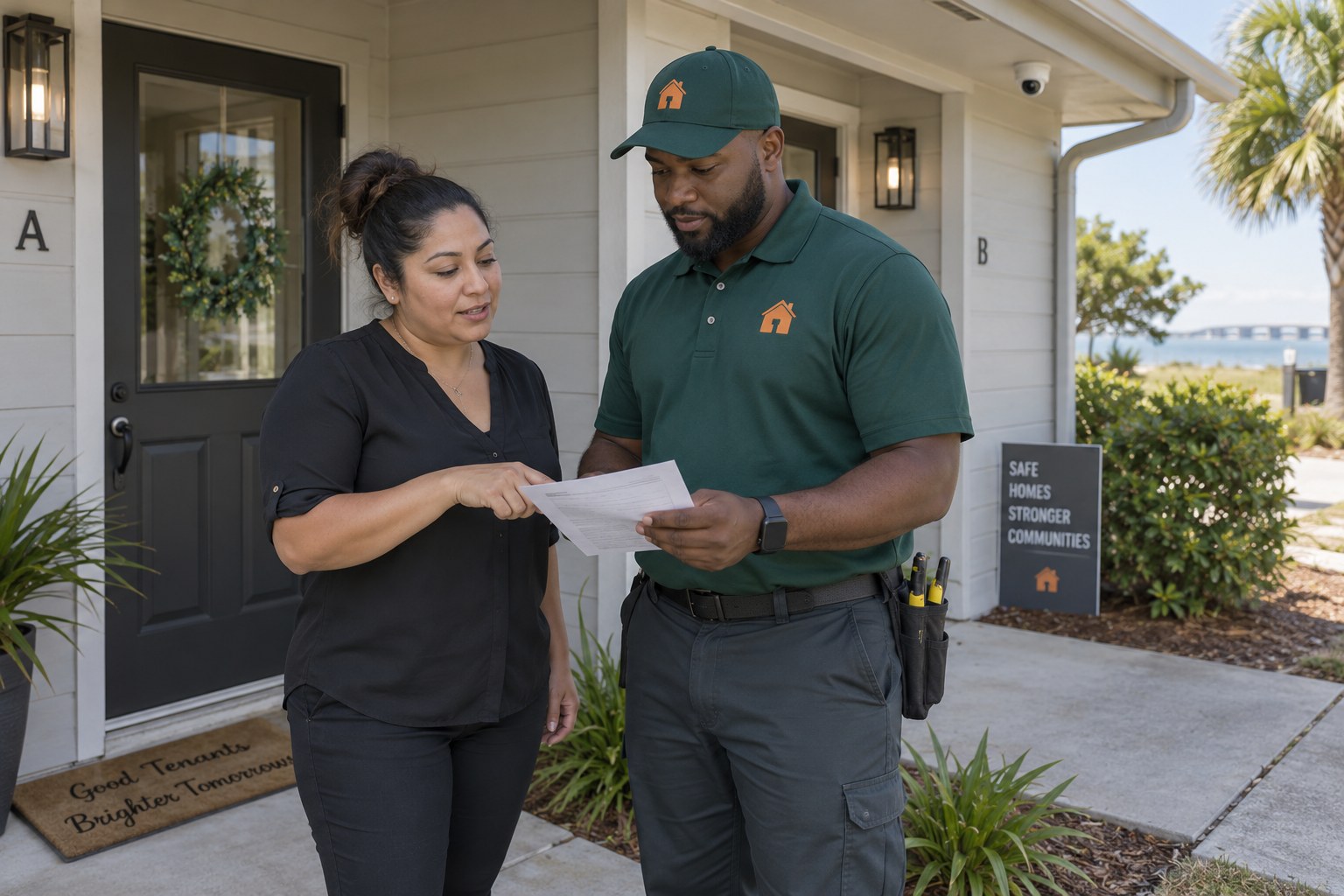
Balcony and patio doors facing the Gulf
Beach units are built for views, and the balcony door is the star. It is also the door most exposed to wind-driven salt and sand. Sliding panels carry the heaviest load. Their tracks fill with sand, the rollers corrode and the latch stops engaging fully.
Clean the track often, using a brush and a vacuum, then wipe with a damp cloth. A drop of dry lubricant on the rollers helps. If the door has begun to drag, the rollers need replacing. A door that glides smoothly latches reliably.
Add a secondary lock or a bar, particularly on a ground floor or lower floor unit. Upper floors are not immune, since balconies can sometimes be reached from neighboring units.
Guests need to understand how to use the lock. A simple card explaining the latch and the bar saves service calls.
Keypads and smart locks in a salty setting
A keypad lock suits the island well, because it removes keys that guests lose. The tradeoff is that electronics dislike salt. A unit with an exposed keypad and thin seals can fail within a season. Choose a model with solid construction and good gaskets, and mount it correctly.
Check the battery compartment for corrosion when you change batteries. Replace batteries on a schedule, not when they fail. Wipe the keypad with a damp cloth to remove salt film.
Keep a mechanical key as a backup. A lockbox containing the key provides a way in if the keypad fails and the manager is away.
If a smart lock stops responding, call and describe what it does. We can often tell whether it is power, alignment or a failed unit.
Lockouts: guests, owners and managers
Lockouts on the island happen in different ways. A guest steps onto the balcony and the door latches behind them. A cleaner arrives to find the keypad dead. An owner arrives for the weekend and discovers the lockbox code was changed. Each situation has a different solution.
If you are a guest, contact the property manager first. They hold the authority to approve entry and can arrange access. If they cannot, we can help when they authorize us. We will not open a unit for someone who cannot show authority.
If you are an owner or manager, call us with details of the door and lock. We verify authority with proof of ownership or a management agreement.
We do not promise arrival times, because conditions vary, especially in busy seasons. Call to confirm availability and we will quote by phone.
Hurricane season on a barrier island
Barrier islands face storms head on, and preparation is serious. Doors are a key part. Make sure hinges are tight, latches engage fully and all locks work. A door that is loose or sticks is not ready.
Storm shutters and panels have their own locks and fasteners. Test them, replace rusted hardware and keep spare keys inside the unit. Label panels for quick installation.
After a storm, access to the island may be limited. Plan for who will check the unit and how they will enter. A keypad code that a trusted person can use is more practical than carrying keys.
When you return, check for water and sand in locks. Do not force a key. Call us for help with swollen doors or damaged hardware.
Beach gear, bikes and outdoor storage
Beach life brings gear: chairs, umbrellas, boards, bikes and coolers. Storage rooms, bike racks and outdoor closets have locks that live in salt air. Cheap padlocks rust shut within months.
Use stainless or marine-rated padlocks, and rinse them occasionally. Key several locks alike so one key opens the storage closet, the bike lock and the equipment box.
If a lock is seized, do not force it. We can remove it without damaging what it secures, once ownership is confirmed.
Shared storage in a condo building usually belongs to the association, and changes should go through them.
Preparing for the season and for guests
Before the busy season, test every lock in the unit. Operate each key, check each latch and clean the slider track. Replace any hardware showing corrosion.
Check the smart lock or keypad batteries and codes. Update the guest information sheet with simple lock instructions.
Walk through as a guest would. Is the lock easy to operate with luggage in hand? Is the porch lit?
Fix small issues early. Guest complaints about locks are avoidable.
What a good turnover routine looks like for a rental door
Between guests, a unit goes through cleaning, restocking and inspection, and the door deserves a place on the checklist. The cleaner or manager can test the lock in under a minute: operate the key or code, throw the deadbolt, check that the latch closes the door without a slam and make sure the balcony door glides and latches. Small failures caught at turnover never reach a guest.
Keep a short log. Note the date, the unit, the lock and anything unusual. A key that stuck once may stick again, and a pattern across several turnovers tells you the lock needs service. Compare the log with guest complaints, since people often mention a lock problem in a review before the owner notices.
Replace consumables on schedule. Batteries in keypads, felt or rubber stops on doors and weatherstripping all wear. Replacing them early is cheap, and it prevents the kind of failure that creates a late-night call.
If you manage several units, standardize hardware. One keypad model across all units simplifies spare parts, battery changes and training. We can help choose and install a consistent set, and we quote the work by phone.
Cleaners, maintenance staff and trusted access
Rental units need people to come and go who are not guests: cleaners, handymen, pool and pest services and inspectors. Each of them needs access at times when no guest is present. Giving every one a personal key creates a long list of copies that nobody tracks.
A keypad system lets you set a separate code for each service and delete it when the relationship ends. Many also keep a log of which code was used and when. If you prefer metal keys, a lockbox with a service code lets staff retrieve a key and return it.
When a cleaner leaves your employ, change the code or rekey, depending on your system. This is routine hygiene, and it protects both the owner and the former worker from awkward questions later.
We can set up and explain these arrangements and verify our authority to work on the property before we begin.
Winter owners, summer guests and the quiet months
The island changes with the seasons. Some owners live elsewhere for part of the year and use the unit in winter, while others rent it heavily in summer and visit in the quiet months. A unit that sits empty for weeks needs thoughtful lock arrangements.
Before you leave, test every lock and leave a key with a trusted person or manager. Make sure the balcony door is latched and its bar is in place. Confirm that your keypad has fresh batteries and that a mechanical key is available.
When you return, check for signs of salt and moisture on hardware. Wipe it down and test each lock. If a lock feels gritty, call before it fails. The quiet months are a good time to schedule maintenance, since there are no guests in the unit.
We can plan seasonal work around your calendar and quote by phone, with the service call charge explained before dispatch if a visit is needed first.
Fire doors, closers and why a unit door cannot be treated like a house door
In multi-story buildings, the entry door to a unit is often part of a fire-rated assembly. The door, the frame, the hinges, the latch and the closer have all been tested together, and changing one component can affect the rating. A lock that is slightly too large, or a hole drilled in the wrong place, can undermine the door's performance in a fire.
This matters when you replace hardware. A technician working on a unit door should check whether the door carries a rating label on its edge, and choose a lock that is approved for that use. Closers must be kept in working order, since a fire door that does not close and latch is not protecting anyone.
Never prop a rated door open with a wedge, and never remove a closer because it is noisy. If a closer is slamming or dragging, ask the association or a technician to adjust it. Small adjustments restore smooth action.
We explain these constraints on the phone and keep to approved hardware. If your association has a preferred list, tell us, and we will work within it.
A calm approach to guest lockouts and complaints
When a guest calls to say the door will not open, the instinct is to panic. A calm sequence helps. First confirm what the guest is trying: the right code, the right door, the lock turned in the right direction. Second, ask whether the keypad lights up and responds. A dead keypad suggests batteries. A responsive keypad that does not turn suggests a mechanical or alignment issue.
Give the guest a simple fallback. A lockbox with a backup key is the best answer, and the code should be on the check-in sheet. If that fails, the manager or owner can authorize a locksmith. We will confirm authority with that person before opening the door.
After resolving the problem, find the cause. A recurring keypad glitch may mean a failing unit. A door that sticks may need alignment. Fix the cause so the next guest does not meet the same problem.
Honest communication with guests, including a straightforward apology and a clear explanation, is good practice. We help with the lock side and leave the guest relations to you.
Locking up a beach home before a storm and after it
Preparing a barrier island home for a storm involves many tasks, and doors are one of them. Before shutters go up or the family leaves, it is worth checking that every exterior door latches firmly, that the deadbolt throws its full length and that the strike plate screws are tight into the framing. A door that rattles in a breeze will rattle far more in a gale. Sliding doors deserve extra care, because their latches are light and their tracks collect sand that stops the panel from seating.
After the storm passes, the opposite checks apply. Swollen frames may bind, salt spray may have coated the lock faces, and flood or driven rain may have reached the inside of a cylinder or the electronics of a keypad. Do not force a stiff door. Rinse the outside with fresh water if it is safe, dry the hardware, and have anything that does not turn smoothly checked before it fails. Water inside a lock rusts the pins from within, so a quick response avoids long term damage.
For owners who live elsewhere, a trusted local contact with a key or code is essential, because access is often limited immediately after a storm. We can help set up a system that does not rely on a single hidden key, and that can be updated by changing the code or rekeying once the situation settles. If a door has been forced or damaged by debris, tell us honestly what you see, and we will secure the opening and explain the repair options before work begins.
Documents that make a lock visit go quickly
Because we confirm authority before working on any door, a few documents save time. For an owner, a deed, a closing statement or a recent property tax bill showing your name and address works well. For a tenant, a lease or a recent utility bill with the address is usually enough. For a manager, a written management agreement or a letter from the owner is what we need.
On an island with many absentee owners, the person at the door is often a manager or a family member. Have the owner's contact details ready, so we can confirm by phone if needed. Photographs on your phone of a deed or lease are fine if they are clear.
If you are a guest, contact the manager. We cannot take authority from a guest, no matter how convincing the story. This rule protects every owner on the island.
Having the documents ready is a courtesy to us and, more importantly, to yourself. It keeps the visit short and the door secure.
Questions people ask us
Do you serve Santa Rosa Island?
Yes, our mobile service covers Santa Rosa Island as part of the Pensacola region. Availability changes, especially in busy seasons, so please call to confirm. Describe the door and problem and we will quote by phone before dispatch.
Why do my beach locks wear out so fast?
Salt, sand and humidity work into keyways, latches and tracks. Thin plated hardware suffers most. Sealed cylinders and stainless or marine-rated parts last longer. A technician can clean or replace depending on the condition.
Can a guest call you to open a rental?
We need authority from the owner or manager. A guest should contact the manager first, who can authorize us. We verify authority before opening any unit, which protects owners and guests.
Are keypad locks reliable near the Gulf?
They can be if built for humid, salty conditions and installed with good seals. Replace batteries on schedule and keep a mechanical backup key. We can advise on models and fit them on a properly aligned door.
What about condo association rules?
Many associations set rules for entry hardware and require a key on file. Tell us your building's rules so we choose compliant hardware, and check fire rating requirements before changing a door lock.