
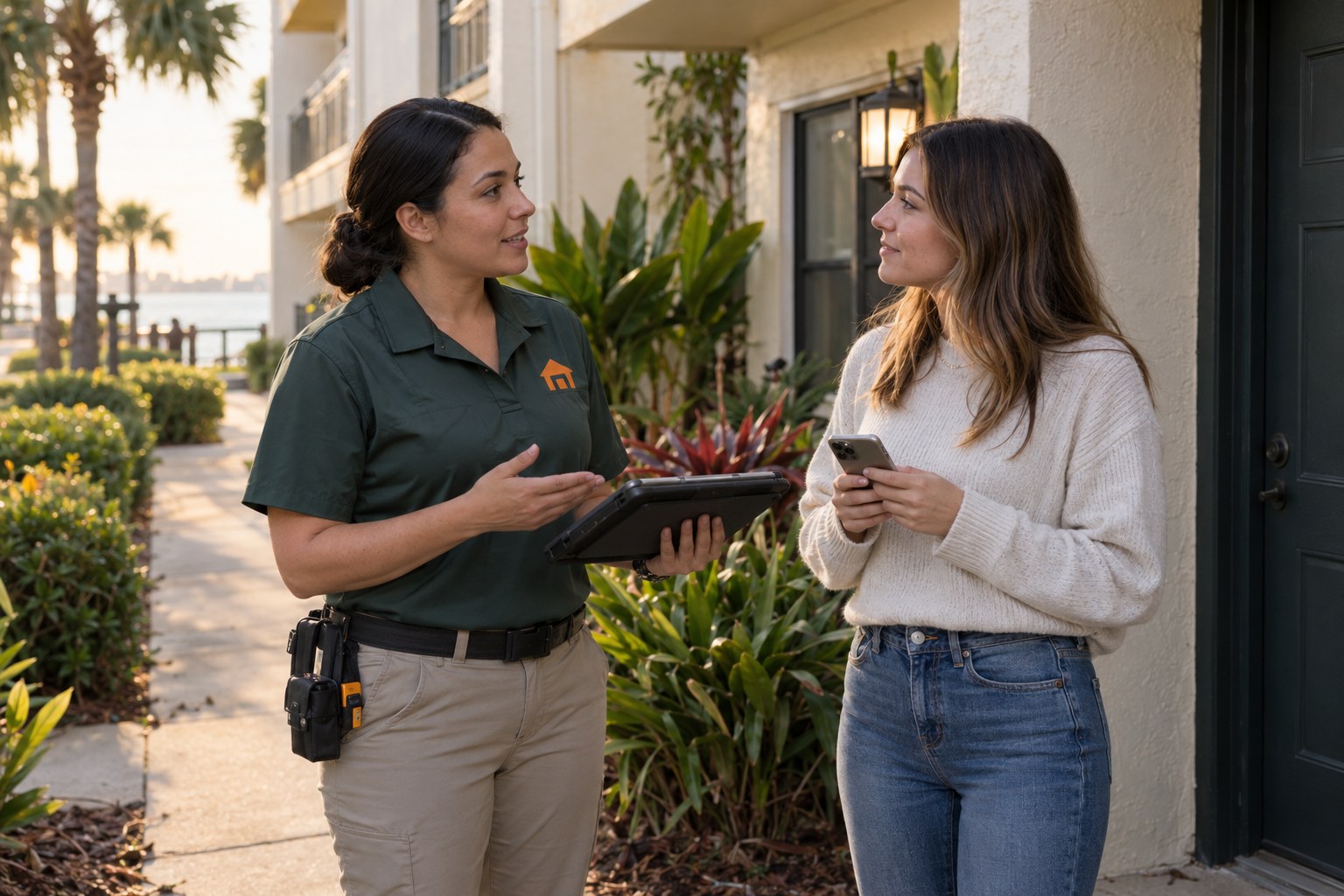
Start with a simple question: who can get in?
The useful question after a roommate leaves is not whether you trust them, but whether you can say with confidence who holds a way into the home. Count the keys that exist. Count the people who ever borrowed one. Think about codes, fobs, garage remotes, and any app access. If the answer is vague, you have a decision to make.
Most people hand back one key and assume that is the end. But keys are easy to copy, and a roommate may have made a spare for a partner, a friend, or a family member without any bad intent. Over months or years, copies can spread. The original holder may not even remember who has one.
This is not about suspicion. It is about control over your own home. A lock is a promise that only certain people can enter, and that promise depends on knowing who those people are. Resetting access after a change in household is a normal, sensible step, much like changing a password after someone leaves a shared account.
With that framing, the choice becomes practical. Consider the circumstances, the lease, the costs, and your comfort. The sections below walk through the options and the situations where each makes sense.
Shared housing is common around Pensacola, with students, military members, service workers, and seasonal staff often splitting rentals. Turnover is frequent, which makes key sprawl a real issue. A house that has had five roommates in three years may have more keys in circulation than anyone remembers, and resetting at each change keeps that number from growing.
When the parting was friendly
Even on good terms, a rekey is a reasonable precaution. A friendly roommate may still have given a copy to someone, or may have lost one without telling you. Friendly departures often involve lots of moving and borrowing, and small things slip through. A rekey costs little compared with the uncertainty.
If you decide not to rekey, at least do some things. Ask the roommate to confirm in writing that they returned all keys and made no copies. Ask about codes, fobs, and remotes. Record the date. This does not remove the risk, but it creates clarity and shows that you took care.
You may also consider the cost to the household. If the remaining roommates share expenses, a rekey can be split. Discuss it plainly before the departing roommate leaves, so the expectation is set. Many people find that the request is taken well when presented as routine.
Keep the tone relaxed. Saying that you rekey every time the household changes treats the step as policy and not as an accusation. People are generally comfortable with this approach, and it avoids bad feelings.
Take a moment to inspect the room and the shared areas as the roommate leaves. Check that locks installed on bedroom doors still work, that any hardware they added is accounted for, and that nothing was damaged. Doing this together, with a quick walk-through, avoids later disagreements about who is responsible for what.
When the departure was tense
If a roommate left after a dispute, or you worry about their behavior, take access seriously. Rekey or replace the locks promptly, and change any codes. Do this as soon as you lawfully can. Delaying leaves a window during which someone may still enter.
Consider safety as well. If you feel unsafe, contact the appropriate authorities and local support resources. A locksmith can change locks, but a lock is only one part of staying safe. Document any concerns and any messages.
Be mindful of the legal side. Rules about changing locks and about a former roommate's rights vary, and the lease matters. Do not remove someone's belongings or deny entry in ways that might break the law. If you are unsure, local tenant resources or legal aid can explain your position.
When you call a locksmith in a situation like this, expect questions. The technician will confirm that you live there or have authority, such as a lease or the owner's permission. That check protects you and the property. Have identification and documents ready.
Keep communication in writing where possible. If you need to ask for keys back, send a brief, neutral message and keep a copy. Avoid arguments about the past. The aim is practical: collect keys, reset access, and keep a record. A calm, factual tone protects you and reduces conflict.
If a former roommate returns uninvited, do not confront them alone. Keep the door locked, call someone you trust, and contact the authorities if needed. A changed lock is a quiet way to reduce the chance of such a moment, but your safety always comes before arguments about belongings or deposits.
Check your lease and your landlord first
If you rent, the lease usually controls what you may change. Some leases allow tenants to rekey if they give the landlord a copy of the new key. Others forbid any changes without written permission. Some require the landlord to handle all lock work. Read the relevant clauses before you call anyone.
Ask the landlord or manager. A short message explaining that a roommate has moved out, and asking to rekey or change the locks, is a reasonable request. Many landlords agree, since it protects the property too. Get the answer in writing and keep it.
If the roommate was on the lease, the landlord may need to handle the lease change as well. The departing person may remain responsible for the lease until it is amended. This is a separate matter from locks, but it is wise to settle both at once so nothing is left unclear.
Offer to coordinate. You can schedule the rekey, and give the landlord a new key afterward. This keeps the process smooth and shows good faith. The locksmith will confirm authority before beginning, which may include the landlord's approval.
If your landlord refuses to rekey, ask what they will allow. Some approve a removable add-on such as a portable door lock or a keypad deadbolt that clamps on without drilling, which you can take with you at the end of the lease. Whatever you agree, put it in writing and keep the original parts safely stored.
Rekey, replace, or leave alone?
Rekeying changes the internal pins of the existing lock so old keys no longer work. New keys are cut to match. The lock stays on the door, and the work is usually quick. For most roommate departures, this is the right answer: it resets access without changing the look of the door.
Replacement makes sense if the lock is worn, damaged, low quality, or corroded. Coastal humidity and salt wear down cheap hardware, so a lock that has been struggling may deserve replacing. If you want an upgrade, such as a deadbolt with a stronger bolt or a keypad, this is a good moment.
Leaving it alone is sometimes acceptable. If you are sure you hold every key, the departing roommate has never had access to a hidden copy, and the setting is low risk, you may choose to wait. But be honest about how sure you are. Most people cannot be certain.
A technician can look at your locks and tell you what is possible. They can also match several doors to a single new key so you carry fewer keys. Describe the situation when you call, and we will advise honestly.
If a roommate's key was never returned, rekey no matter what. An unreturned key is the clearest case for resetting access, and it removes the need to guess about intent. Mention this when you call so the technician can plan, and confirm which locks the lost key could have opened.
Ask the technician to test every new key in every lock before leaving, and to give you the right number of keys for the household. Label the set you hand to each person only with a color or a number, not with the address. A few extra minutes at the door prevents a frustrating evening later.
Codes, fobs, remotes, and apps
Keys are only part of access. Keypad codes can be remembered, written down, or shared. Delete the departing roommate's code and change any shared ones. If the lock allows individual codes, check the list for forgotten entries, such as old guests or workers.
Building fobs, gate cards, and parking remotes need attention too. Ask the roommate to return them, and ask management to deactivate lost ones. Fobs can often be disabled individually, which is the best response. Do not assume that an unreturned fob is harmless.
Garage openers deserve a check. A shared remote or a keypad code that the roommate knew should be changed. If your opener allows it, clear all stored remotes and reprogram only the ones you have. This is also a good time to ask who else might have a remote.
For smart locks and apps, remove the roommate's account from the device, and change the shared account password if there is one. Check the access log for unusual entries. Make sure two-step sign-in is on. Do not forget doorbell cameras and thermostats, which may be tied to shared accounts.
Wi-Fi and shared logins deserve a short cleanup. A former roommate who still has your network password can reach connected devices, including cameras and smart locks if they share the network. Change the password, reconnect your own devices, and check which devices appear on the router list. Remove any you do not recognize.
When you set new codes, avoid anything the former roommate might guess, such as dates, house numbers, or repeated digits they once used. A fresh, unrelated code is the point of the exercise. Tell each current resident their code privately, and ask them not to share it with friends who are not part of the household.
Other doors, windows, and shared items
Think beyond the front door. A back door, a sliding door, a garage entry, a shed, and a mailbox may all have keys the roommate held. Rekey them together so one new key works for all. This is often the cleanest approach, and it prevents confusion about which key opens what.
Check the windows and sliding doors. If the roommate had a bedroom with a window latch, make sure it works. Check any locks they installed, such as bedroom privacy locks or bolts, and remove or replace them if needed. Keep the original hardware if the lease requires it.
Mail is a real concern. A roommate who moves out may still have access to the mailbox. Update the mailbox lock if you can, or ask management. Forward the roommate's mail through the postal service rather than letting it pile up. Mail can include documents with personal information.
Shared items and utilities matter too. Wi-Fi passwords, streaming accounts, and shared safes should be changed. Not because anyone is a threat, but because it is good housekeeping. A clean slate reduces confusion and risk.
Vehicles can be involved too. If you shared a car, a parking permit, or a spare fob, collect those as well. A garage remote clipped in a shared car may still open your door. Make a quick list of every device that can open or enter the home or its grounds, and tick each off as you recover or reset it.
Practical steps, in order
Begin by taking back all keys, fobs, and remotes, and noting the date. Ask in writing whether copies exist. Then check your lease and message the landlord if needed. Decide on a rekey, a replacement, or no change. If you rekey, schedule it soon.
Next, change codes and passwords. Delete the departing person from locks, apps, and shared accounts. Change the Wi-Fi password if it was shared. Update the alarm code if there is one. Inform the remaining household about the new arrangements.
Then record what exists. Write down how many new keys you have, who holds them, and what each opens. Store the list safely. When a new roommate arrives, you will know what to hand over, and what to ask them to return when they leave.
Finally, set a habit: any time the household changes, review access. Treat it like a small ritual. It protects everyone who lives there, including the person who moves in next.
Share the plan with remaining roommates so everyone follows the same steps. Agree who calls the locksmith, who pays, and who holds the new keys. Clear roles prevent the common problem where each person assumes someone else is handling it, and the old key quietly stays active for months.
Calling for new locks once a roommate has moved out
Asking for keys back can feel awkward, so it helps to plan the words. Choose a calm moment, not an argument, and keep it practical: you are updating the household so everyone is on the same page about who has access. Something like, I am collecting the keys and fobs so we can reset things for the people who live here now, tends to land better than anything accusatory. Offer a specific day and time for the handover so the request does not drift.
Be ready for common answers. They may say they lost a key, or that a spare is with a friend. Do not push. Simply note it, thank them, and plan to rekey. If they hand everything over but you cannot be sure no copies exist, the rekey is still reasonable, and you can say so without blaming anyone. Take a photo of the keys returned, with the date, for your own records. If the lease names them, a short text or note confirming the return is useful.
Afterward, close the loop with the rest of the household. Tell remaining roommates which keys are now valid, and ask them not to lend theirs. If you use a keypad, change the code at the same time and share the new one only with current residents. If your landlord must approve changes, send the request before you call anyone. The goal is to leave the departing roommate with a clean, respectful exit and to leave you with a home where every key can be accounted for.
When a professional hand makes the transition easier
If you want to rekey or replace locks after a roommate leaves, call us and describe the situation. Tell us how many doors, what kind of locks you have, and whether you rent or own. Quotes are given by phone, and call us to confirm availability.
The technician will confirm that you live at the property or have the owner's permission before starting. Have an ID that shows the address, a lease, or a utility bill ready. If the job is complicated, a technician visits and the service call charge is explained before dispatch.
A change of roommates is a natural point to reset access. A small, calm step now gives you clarity and comfort for the months ahead, and it leaves the home ready for the next person with a clean start.
Costs are easier to handle when the household talks about them early. Rekeying several doors to one key is generally less work than replacing each lock, and sharing the cost among current roommates is common. Ask for the quote by phone, decide together, and keep the invoice, which also serves as a record of when access was reset.
Questions people ask us
Should I rekey if my roommate left on good terms?
It is a sensible precaution. You cannot be sure how many copies exist or who borrowed one. Rekeying is quick and gives you a clean start without accusing anyone.
Can I change the locks in a rental?
Check your lease and ask your landlord in writing. Many allow it if they receive a copy of the new key. The locksmith confirms authority before starting.
What about codes, fobs, and remotes?
Delete the roommate's code, change shared ones, ask management to deactivate lost fobs, and reprogram garage remotes. Remove their account from smart locks and shared apps.
Is rekeying better than replacing the lock?
Usually yes, if the lock is in good condition. Rekeying changes the internal pins so old keys stop working. Replace the lock if it is worn, damaged, or you want an upgrade.
What if I feel unsafe after a roommate leaves?
Contact the appropriate authorities and support services, and have the locks changed promptly. Keep records of messages and concerns. Call us, and the technician will confirm your authority before working.