
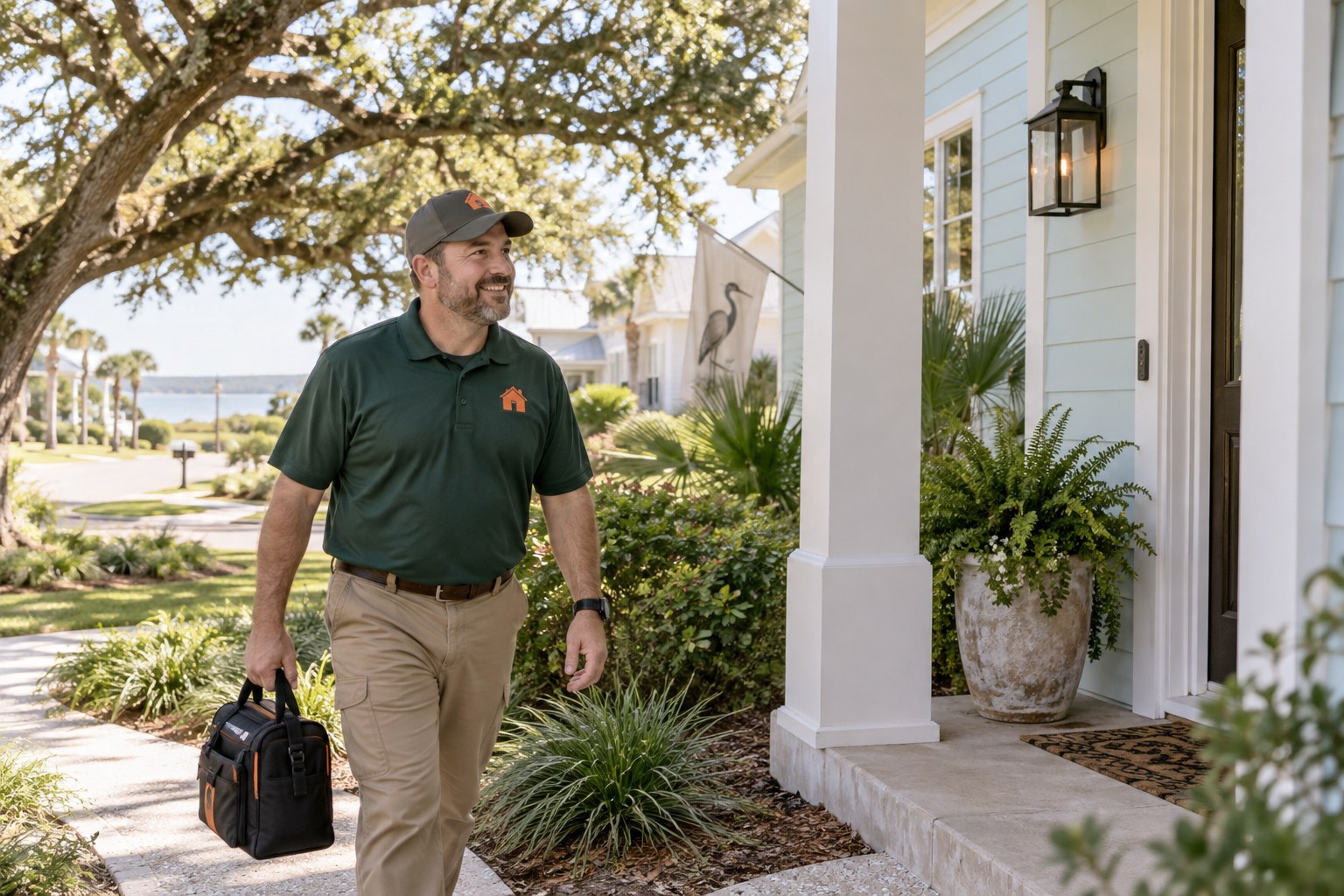
A neighborhood shaped by the school year
Areas near a university follow the calendar. In late summer, leases begin, boxes pile up, and new residents try to learn which key opens which door. In spring and early summer, the pattern reverses, and units empty out. Locks are caught in the middle of that rhythm, and so are the people who manage them.
For locksmiths, the pattern means predictable bursts of work: rekeys between tenants, replacement of worn hardware after a heavy year, and lockouts from people who are new to a door. Students are also more likely to lose keys, share keys with friends, or leave a spare with someone who later moves away.
Understanding that rhythm helps everyone. Managers can book rekeys ahead of the busiest weeks. Tenants can ask about key counts at move-in. Landlords with a single rental can fit a visit into the gap between leases rather than leaving the house unchanged for the next occupant.
Roommates, shared keys and who really has access
Shared housing creates a particular lock problem. Four roommates each need a key, each may have made a copy for a partner or relative, and when someone moves out, their key often goes with them. After one or two turnovers, nobody can say how many people can enter the home.
The practical answer is a rekey whenever the group changes. It is quick and settles the question. The technician re-pins the lock so the departing roommate's key stops working and cuts new keys for the remaining residents. Bedroom locks, if installed, are handled separately and should be agreed with the landlord.
When roommates disagree, the lease usually decides. The locksmith will ask who has authority to approve the work, and in a shared lease that is typically the landlord or manager. Having that settled in advance avoids delay at the door and protects every resident.
- Ask the landlord before changing any lock in a rental
- Keep a written list of who holds a key or a code
- Rekey when a roommate leaves rather than hoping the key comes back
Lease turnover for landlords and managers
For a landlord, turnover is a checklist: cleaning, repairs, paint, and locks. The locks step is often forgotten until the new tenant arrives, which leaves the unit exposed with old keys still in circulation. Scheduling a rekey during the vacancy gap solves it.
A technician can handle several doors in one trip and label the keys clearly for each unit. If the property has a common entry, a mailroom or a laundry door, those can be coordinated in the same visit. Providing a list of addresses and key counts in advance makes it smoother.
Authority is confirmed first. A manager acting for an owner should be ready to show that authority. Once confirmed, the work proceeds, and the technician tests every lock with the new keys before leaving. It is a simple routine that protects both the tenant and the owner.
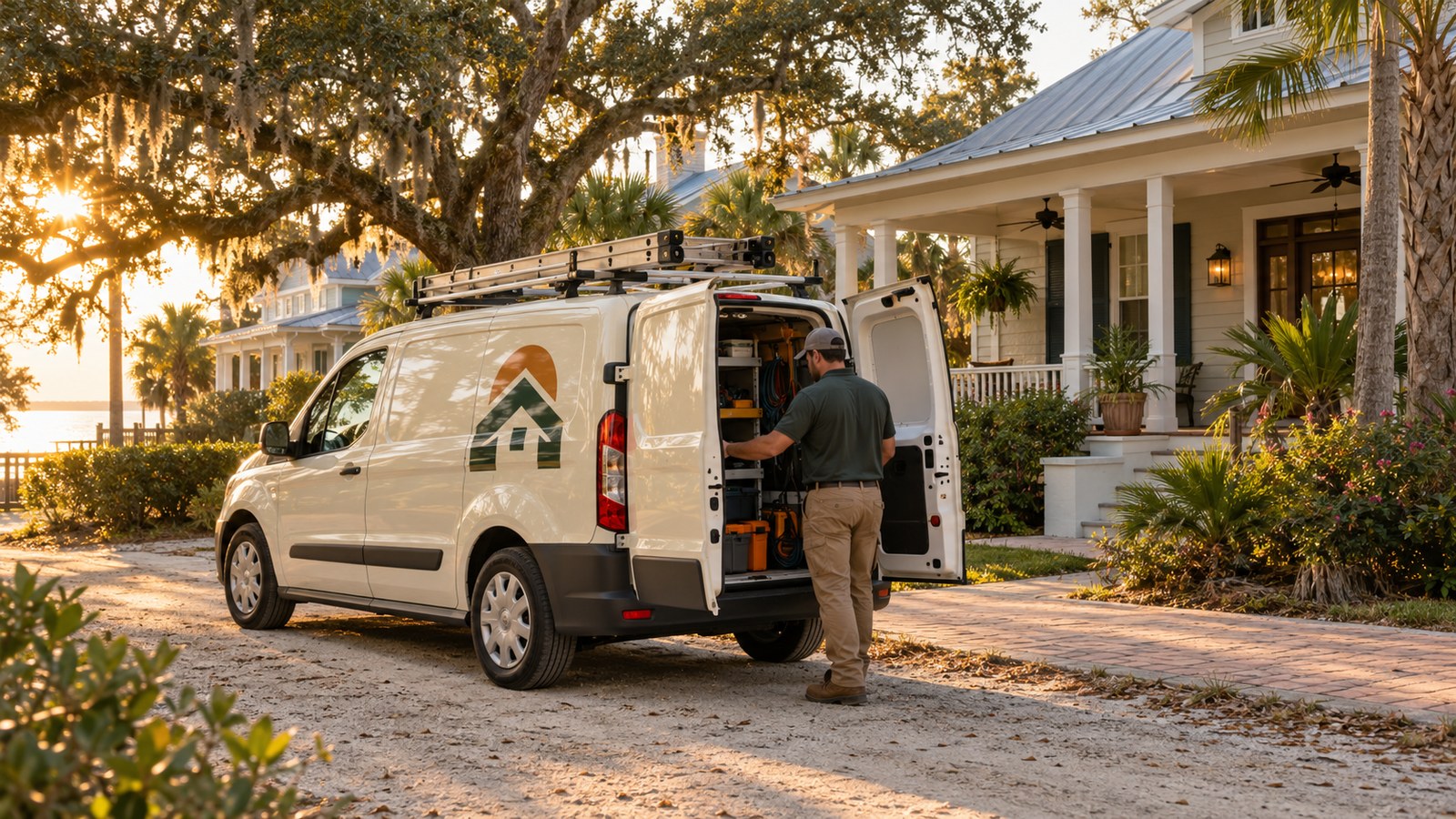
Moving in as a first-time renter
First-time renters often assume the locks are fine because the lease is signed. In reality, nobody can tell how many copies of the key exist. Ask the landlord whether the lock was changed since the last tenant. If not, ask for a rekey. Most reasonable landlords agree, since it protects their property too.
If the landlord prefers that you handle it, get written permission first. Keep a copy of the message or email. The locksmith will want to know that the landlord agrees, and the paperwork prevents later disputes about who changed what.
Meanwhile, take simple steps: check that the door latches firmly, the deadbolt extends fully, and the windows lock. Tell the landlord about any problems in writing. A clear record helps if something goes wrong and shows that you took reasonable care.
Lockouts when you are new to a door
New residents lock themselves out more often than anyone. The key is on the kitchen counter, the spare is in a moving box, and the door has just clicked shut. If this is you, stay calm and call. Tell the dispatcher which door, which lock, and whether a roommate or the manager can confirm that you live there.
The technician must confirm authority before opening. For a tenant, that can be a lease, an ID with the address, or confirmation from the property manager. If none are available at the moment, the dispatcher will explain what else may work. This step protects your belongings and your neighbors.
Once inside, the technician checks the lock for problems. A lock that causes repeated lockouts may have a thumbturn that is too easy to engage or a latch that closes before you are through. Small adjustments or a different handle style sometimes prevent a repeat.
Bike storage, laundry rooms and shared doors
Apartment complexes have doors that nobody thinks about until they fail: the bike room, the storage cage, the laundry, the mail alcove. These doors see heavy use and are often the first to develop worn latches or broken closers. A door that does not latch lets anyone in, which defeats the purpose of the lock on each unit.
A technician can check these doors during any visit. Look at whether the door closes by itself, whether the latch engages fully, and whether the strike is solid. A common fix is a new closer or a replacement latch. These are small repairs with a large effect on daily security.
Residents can help by reporting problems promptly and not propping doors open. A propped door is an unlocked door, and a pattern of propping makes a whole building less secure. A short note to the manager and a quick repair keep shared doors working.
Apartment deadbolts and the chain that does not help
Many apartments have a deadbolt plus a flimsy chain. The chain gives a false sense of safety, because it is held by short screws into a thin frame and can be broken with a shoulder. The deadbolt does the real work, if it extends fully and the strike is solid.
Check your deadbolt. When locked, the bolt should extend at least an inch into the frame and slide smoothly. If it drags or only partly extends, the strike may be misaligned or the door may have shifted. A technician can adjust the strike so the bolt seats properly.
A door viewer is a useful addition, and a technician can install one in minutes. With a viewer you can see who is outside without opening the door. It is a simple step that makes an apartment feel more comfortable, especially for someone living alone for the first time.
Smart locks and keypads in rentals
Keypad locks appeal to renters and landlords alike. A landlord can issue unique codes and delete them when a tenant leaves, saving the cost of rekeying. A tenant does not need to carry a key. But keypad locks must be approved by the landlord, since they replace the hardware that belongs to the property.
Installation requires a door that is in good condition. A dragging bolt strains the motor, and a loose door frame can hurt the lock's reliability. The technician checks these first and may adjust the strike or hinges before installing. Test the lock several times with the door closed.
Some models can be installed without drilling new holes, which suits rentals. Others require changes that a landlord may not allow. Ask before buying a lock online, because it may not fit the door or meet the landlord's requirements. A technician can recommend suitable models.
Moving out and handing back keys
At move-out, a tenant should return every key, including copies. Keep a record of how many you were given and how many you made. If a key is missing, tell the landlord promptly. Honesty at this stage prevents disputes and lets the landlord decide whether a rekey is needed.
If you are leaving a home you own, the same principle applies to anyone who held a key: former roommates, house sitters, contractors. Collect keys or plan a rekey for the next occupant. A tidy handoff makes the next tenant's start easier and reduces calls to everyone involved.
A landlord can book a rekey for the day after move-out so that the unit is secure before cleaning crews and painters arrive. The technician can also check each lock and report on its condition, giving the landlord a clear picture of what may need replacing.
Family homes and older residents in the area
Not everyone in Ferry Pass is a student. The area includes family neighborhoods and long-term residents, whose needs resemble those of any established community: worn hardware, new deadbolts, key issues after a life change. A rekey after a divorce, a death in the family or a falling-out with a relative is a common request.
Older residents may prefer levers over knobs, which are easier on arthritic hands, or a keypad lock that removes the need for small keys. A technician can recommend options that suit comfort and security, and can install them without fuss.
For any change, the technician confirms authority. In sensitive family situations, that clarity helps everyone. If the situation is complicated, call and explain, and we will tell you what we need and how we can help within the limits of ownership and authority.
Storm season and rentals
During hurricane season, renters often leave town. Before leaving, make sure every window and door is locked and secure, and let the landlord know if you notice damage. If you are returning, check for sticking doors, water around frames, and lock operation.
Landlords should check units after a storm. Swollen frames, shifted strike plates and damaged weatherstripping affect locks as much as the door itself. A technician can inspect several units in a visit and fix lock issues before they become lockouts.
If a tenant left during an evacuation and a key was shared, consider rekeying on return. It resets control and costs little time. As always, the technician confirms authority before working.
Booking a Ferry Pass lock visit without delays
Call us and explain whether you are a tenant, landlord or owner. Describe the lock and the problem. We confirm availability by phone and quote routine work during the call. If many doors are involved, tell us the number and addresses.
For jobs that need a look, a technician visits and the service call charge is explained before dispatch. Anything added on site is discussed with you before work starts, so you keep control of the decisions.
Have proof of residence or authority ready, along with any existing keys. A lease, a letter from the manager, or an ID with the address will do. The technician checks it first, then works carefully, tests each lock, and explains what was done.
How a rekey is actually done, and why it takes so little time
People are often surprised by how quick a rekey is. A typical residential deadbolt or knob contains a cylinder, which is a brass plug that turns when the right key lifts a set of small pins to the correct heights. The technician removes the cylinder from the door, uses a follower to push the plug out without letting the pins spill, and replaces the pins with a new combination that matches a new key.
Once the new pins are in, the plug goes back into the housing, the cylinder goes back into the door, and the technician tries the new key repeatedly, from both sides if the lock has two cylinders. The old key will no longer turn the lock, and the technician usually demonstrates that so you can see it for yourself. Nothing else about the door changes, which is why the work causes so little disruption.
If the lock proves to be worn, damaged or an unusual model, rekeying may not be possible and replacement is the alternative. The technician tells you which applies as soon as the cylinder is out. Nearly all standard residential locks in apartments and houses can be rekeyed, which is why this is the usual first choice.
Windows, balconies and ground-floor units
Apartment security is not only about the front door. Ground-floor units have windows that can be reached from outside, and upper units sometimes have balcony doors with minimal latches. A tenant who thinks only about the deadbolt may leave a more accessible entry unprotected.
Window locks are simple devices that engage when the sash is closed. Many are loose or broken in older buildings, and a missing latch is common. A technician can replace them or add a pin that prevents the window from opening more than a few inches, which is good for ventilation and for safety.
For sliding balcony doors, a bar in the track is a quick, removable measure that tenants can use without altering the property. Ask the landlord about permanent options. The technician can advise on what is allowed and what works best for the building and the door type.
Parents helping a student with a first apartment
Parents often help students move in and want to know that the place is secure. A short conversation with the landlord about when locks were last changed, a check that the deadbolt works smoothly, and a look at the windows are reasonable steps. The student, not the parent, normally holds the lease, so permission and authority come from the lease holder.
If something needs changing, the landlord should be asked first. Where the landlord agrees to a rekey or a hardware upgrade, the locksmith can schedule a visit when the student is home. It helps to explain how to use a new lock before leaving, so there are no surprises on the first night.
Teach the basics of key care as well: keep a spare with a trusted person nearby, never label a key with the address, and report a lost key at once. These habits cost nothing and prevent most of the problems students run into during their first year of living away from home.
Questions people ask us
Can a tenant call a locksmith to rekey an apartment?
Usually only with the landlord or manager's approval, because the lock belongs to the property. The technician will ask for that confirmation before working. Landlords and managers can book the rekey directly, and one visit can cover many units.
A roommate moved out with a key. What should we do?
Rekey the lock. The technician re-pins the cylinder so the old key stops working and cuts new keys for those who remain. Get the landlord's approval first if the lease requires it. It is a short job and settles the question of who has access.
Can I install a keypad lock in my rental?
Ask the landlord first. Keypad locks replace property hardware, and some leases do not allow it. If approved, a technician can install a suitable model and test it. Some models fit without new drilling, which makes approval easier.
What proof do I need for a lockout?
Something that links you to the address: a lease, a utility bill, or an ID showing the address. A call to the manager can also confirm. The technician checks before opening. If you have nothing on hand, call and explain, and we will tell you what else may work.
Can you service shared doors like bike rooms or laundry rooms?
Yes, with the manager's authority. A technician can check latches, closers and strikes and repair or replace hardware. Doors that do not latch fully weaken a whole building, so these repairs are worth doing promptly. Call to confirm availability.