
A city with many kinds of homes
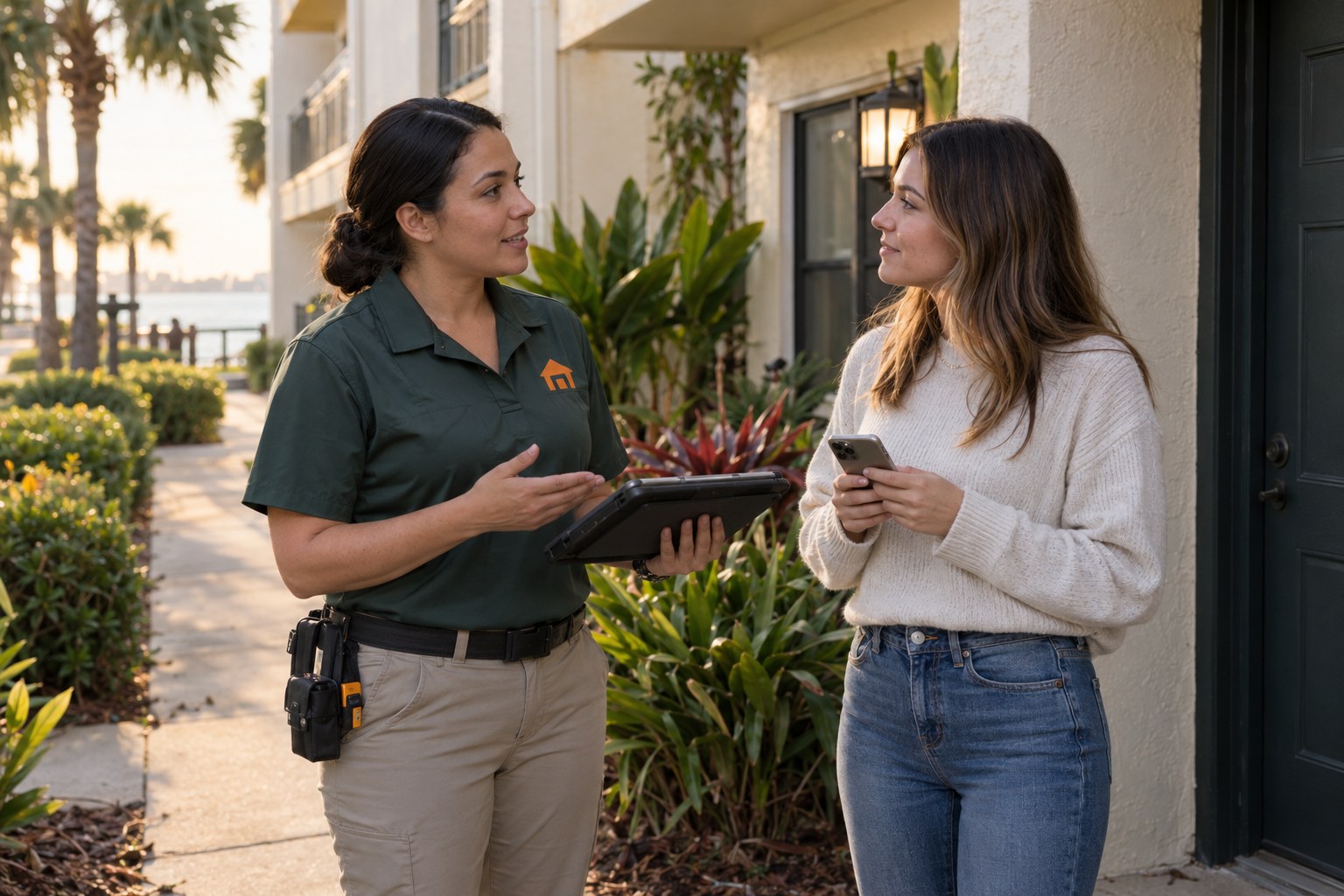
Pensacola is not one neighborhood. It stretches along the bay and the Gulf with a mix of older houses, mid-century homes, newer developments, townhomes and apartment communities. Each type has its own hardware habits. Older houses may have original wood doors and mortise locks, newer ones have standard cylindrical deadbolts, and apartments often have a combination of keyed entry and shared access.
That variety shapes the work. A technician arriving at a historic bungalow thinks differently from one visiting a recent townhome with a keypad lock. Door thickness, frame condition, finish and hardware availability all vary. Being ready for each is part of the job, which is why a short description of your home on the phone helps.
Whatever the home, the basics are the same: a solid door, a good frame, a quality deadbolt and keys under your control. Everything we do, from rekeys to repairs to upgrades, aims at those basics. The details change with the house; the goal does not.
Humidity, salt air and what they do to hardware
The Gulf Coast climate is hard on metal. Moist air and salt settle on every exterior lock, and over a few seasons the finish dulls, the cylinders stiffen and the screws rust. Homes closer to the water see this faster, though the effect reaches well inland. A lock that feels fine in winter can start sticking by summer.
Hardware choice matters. Solid brass, stainless steel and good quality coated finishes last far longer than cheap plated parts. Dry lubricants, applied twice a year, keep cylinders turning. We often see locks that have failed because of corrosion that could have been slowed with a little care.
Wood doors add another factor. They swell with moisture and shrink in dry spells, changing how the latch meets the strike plate. A lock that seems faulty may simply be fighting a door that has moved. A visit often includes adjusting the strike, tightening hinges and easing the door as well as treating the lock.
Rentals, tourism and turnover
Pensacola has a strong rental market, from long term leases to short stays near the beaches and downtown. Every change of tenant or guest is a chance for keys to remain in circulation. Landlords and managers do well to rekey between tenants, and short stay owners often turn to keypad locks to avoid physical keys.
For tenants, the rules are simple. Changes to locks usually need the landlord's agreement, and a locksmith will check authority before working. If you are a tenant locked out, the landlord or manager can authorize the entry. Keep your lease handy.
For owners, a consistent lock system across a property makes turnover easier. Keyed alike doors, a clear record of keys and a plan for spares prevent headaches. We can help set up a system that fits a single rental or several units.
Move-in rekeys
Moving into a home, whether bought or rented, is the best time to rekey. You do not know who has copies of the existing keys: past owners, tenants, agents, contractors, family friends. Rekeying cancels all of them and gives you new keys that you alone control.
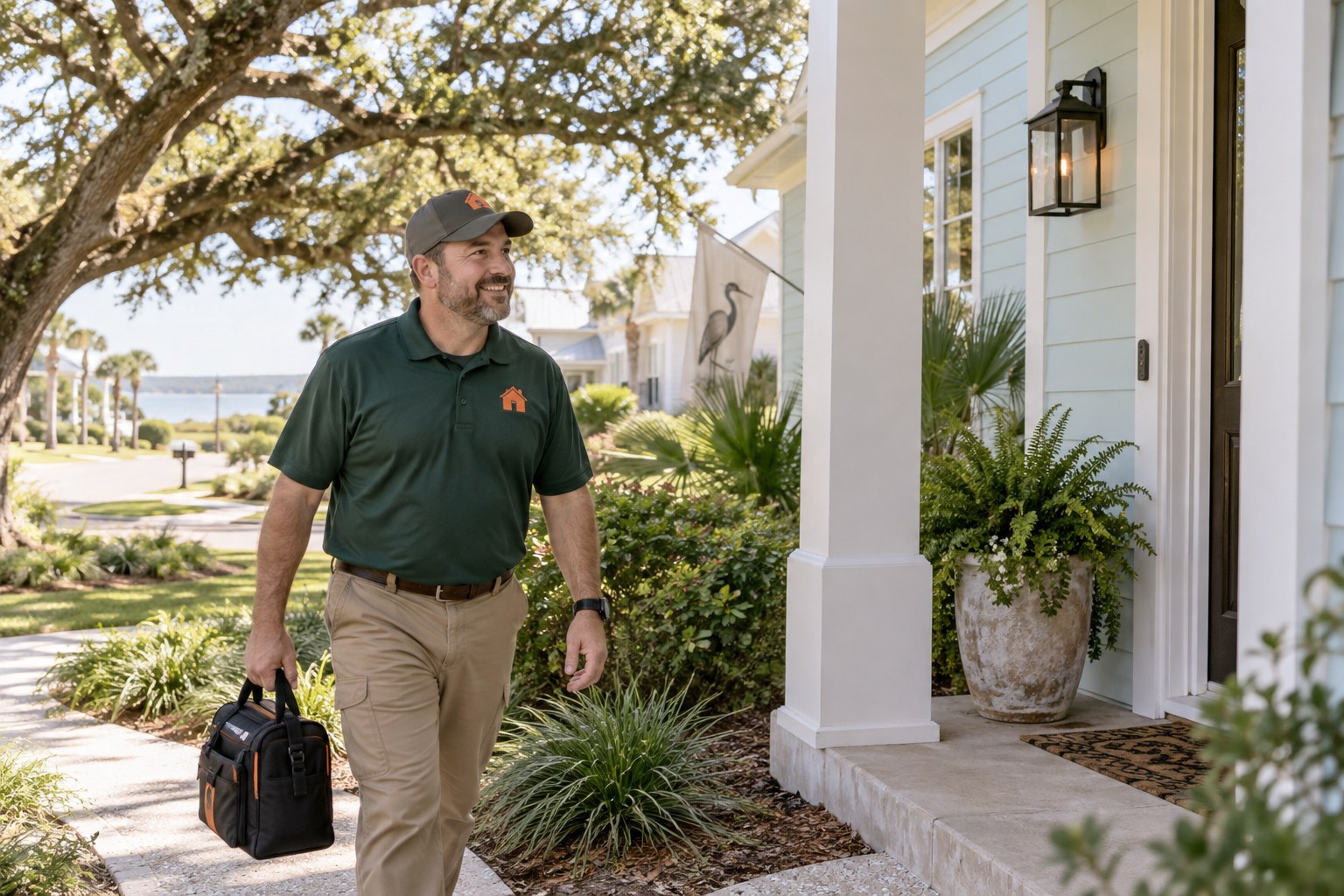
The work is quick. A technician changes the internal pins of each exterior lock, cuts new keys, and tests every door. Locks can be keyed alike so one key opens the front, back and garage entry. If the lock is worn or the finish is poor, replacing it at the same time is an option.
For renters, ask the landlord whether they have rekeyed since the last tenant. Many do as a matter of course. If not, ask whether you may arrange it. It is a reasonable request, and most landlords will agree when the work is done by a professional.
Lockouts and lost keys
Lockouts happen at all hours and in all kinds of homes. Our approach is to open the door without damage wherever possible, using methods suited to the lock. Before we do, we check that you live at the address or have authority to enter. Identification and something connecting you to the property are usually enough.
Lost keys are a related matter. If a key was simply misplaced at home, you may find it. If it was lost in public, especially with identifying information, rekeying is the safer course. A technician can talk through the circumstances and help you decide.
Call to confirm availability. When you do, describe the door, the lock and what happened, and tell us if anyone or any pet is inside. Quotes are given by phone, and if the job is complicated, a technician visits and the service call charge is explained before dispatch.
Repairs and upgrades
Not every job is an emergency. Many calls are about a deadbolt that sticks, a handle that wobbles, a key that has become hard to turn, or a latch that no longer catches. These are best dealt with early, before they become lockouts. A technician can diagnose the cause, which is sometimes the lock and sometimes the door.
Upgrades are a natural next step. A better deadbolt, a reinforced strike plate, a lever handle for easier use, or a keypad lock for convenience all improve daily life. We offer honest advice on what is worth doing, and we do not push products you do not need.
For older homes, preserving original hardware where possible is often a priority. We can rekey, repair and adjust period locks, and when replacement is needed, help find a suitable match. The aim is a home that looks as it should and works as it should.
Sliding doors, lanais and patios
Outdoor living is part of life here, and many homes have sliding glass doors, French doors and lanais. These doors have their own lock types and their own failure modes. Latches wear, tracks collect sand and dirt, and handles loosen. Self-latching doors catch people out on patios.
We service patio door locks, install secondary locks and fix latches that no longer hold. Adding a keyed lock outside, or a lock that does not latch automatically, can stop the common lanai lockout. A bar or pin in the track adds security when you are inside.
After storms, check these doors. Water and debris in the track can make them hard to close, and a door that does not close properly cannot lock. A short visit to clean, adjust and lubricate often restores smooth operation.
Hurricane season readiness
Living on the Gulf Coast means preparing for storms. For locks, preparation is simple but important. Test all keys, replace batteries in electronic locks, and make sure doors latch fully. A door that does not close tightly is a weakness in high wind.
Have a plan for spare keys. If you evacuate, keep a set with you and leave another with someone you trust nearby. After a storm, inspect doors and frames. Swollen wood, shifted frames and water in hardware can cause problems that are easy to fix early.
If a break-in or damage occurs during or after a storm, we can help secure the home. Call to confirm availability. Keep photos of any damage for your insurer, and let the technician know what happened so the right repairs are planned.
Military, university and seasonal residents
Pensacola's naval presence and its university and college population mean that many residents are here for a limited time. Service members, students and seasonal workers often rent, move frequently, and need quick, simple solutions. Rekeying on arrival and making sure keys are returned at departure are common requests.
Residents who deploy or travel for long periods need reliable security while away. A neighbor with a spare, a well maintained lock and a lit entrance help. Smart locks allow a trusted person to enter remotely, though they come with their own care.
Families of service members and students often manage homes from a distance. We are happy to talk through options by phone and to confirm authority with the owner when the occupant is not the property holder.
Confirming you may authorize work on a Pensacola property
Every lock job begins with a simple question: do you have the right to this property? We ask for identification and something that links you to the address. For rentals, the landlord may need to confirm. This is routine and protects every resident.
It applies to lockouts, rekeys, key duplication and safe or padlock work. A locksmith who skips this step is a risk to the neighborhood. We take it seriously, and we ask your patience.
Having documents ready speeds things along: a driver's license, a lease or a utility bill. If you do not have them, tell us what you do have, and we will see what can be done.
How to arrange a visit
Call us and describe what you need: the type of home, the doors involved, the locks you have and what is wrong. A photo can help but is not required. Tell us whether anyone is inside in a lockout.
Quotes are given by phone. If the job is complicated, a technician visits and the service call charge is explained before dispatch. Please call to confirm availability for your location.
On arrival, the technician confirms authority, explains the plan, and does the work with attention to your door and finish. Afterward, we test everything and give you the keys and a short explanation. Questions are welcome at every stage.
Keys, fobs and gates in apartment communities
Apartment living in Pensacola often involves layers of access: a unit door, a building entry, a gated parking area, a mailbox, a storage closet and a pool gate. Each may use a different key or fob, and the management office controls some of them. Residents should know which lock is theirs to change and which belongs to the community.
Inside your own unit, the entry door lock is usually the one you can discuss with the landlord. Many apartments are rekeyed between residents as standard practice. If you are concerned, ask what has been done. For anything shared, such as a gate code or a building fob, report problems to the office rather than trying to fix them yourself.
We can work on unit locks with the landlord's authorization, including deadbolts, door viewers, secondary locks for sliding doors and small upgrades that improve security without altering the property. Keep written permission handy when you call.
Older neighborhoods and character homes
Many Pensacola streets have older homes with wood doors, original trim and period hardware. These doors often have mortise locks, glass or ceramic knobs, and thick frames built when materials were different. They are worth preserving, and they are also where security is often thinnest, with old locks, loose frames and single pane glass.
A careful approach combines respect for the house with practical improvement. A mortise lock can often be rekeyed and repaired. A deadbolt can be added to a door in a way that keeps its look. A strike plate can be reinforced with long screws hidden behind trim. We discuss what is possible before any drilling.
Wood in older homes moves with the seasons, and frames may be out of square after decades. Adjusting rather than forcing is the rule. A technician with patience and the right tools can make an old door close and lock smoothly again.
Small habits that protect a home
A few habits do more than any gadget. Lock the door even when you are home or just stepping into the yard. Close the garage door at night. Keep exterior lights working. Trim shrubs near entrances so there is no cover. Know your neighbors and look out for each other.
Keep track of keys. A short list of who has copies, a spare with someone you trust, and a regular check that your locks are working go a long way. Rekey when the situation changes: a divorce, a departure, a lost key, a new home.
None of this requires fear. It is simply the routine care a house needs, like clearing gutters or checking smoke alarms. We are glad to talk through your home and suggest sensible steps, without pressure.
Beach and bay-side properties
Homes and rentals near the beaches and the bay face the harshest conditions for hardware. Salt spray reaches door handles, gate latches, padlocks and even interior locks through open windows. Standard plated hardware can show rust within months. Marine grade finishes, stainless fasteners and sealed cylinders hold up far better and are well worth asking for.
Sand is another enemy. It gets into keyways, sliding door tracks and gate hinges, wearing parts and jamming mechanisms. Covers for keyways, regular rinsing and dry lubricants help. Short stay properties near the water benefit from keypad locks that avoid the wear of constant key use by many guests.
After a stay or a storm, rinse exposed hardware with fresh water, dry it, and apply a light dry lubricant. This simple routine can double the life of a lock. If you manage a beach rental, build it into your cleaning checklist along with the other turnover tasks.
Historic districts, wide porches and the doors that deserve gentle treatment
Older homes in Pensacola often carry original woodwork, tall doors and decorative hardware that deserves care. A heavy mortise lock set into a thick door cannot simply be swapped for a modern bore-in lock without altering the wood, and in a house with character, that change may not be wanted. A locksmith who works on these doors can service the existing hardware, replace worn internal parts and fit new keys to suit, preserving the look of the entry while improving how it functions.
Wide porches create shade and charm, but they also give a visitor cover from the street, since a person standing at the door is partly hidden by columns and rails. Good lighting near the door and a clear view from inside matter in these settings. Adding a modern deadbolt in a discreet finish, or reinforcing the frame with longer screws, can raise security without changing the face of the house. Small upgrades blend into the historic look while quietly strengthening the weak spots.
If you own a home in a historic area, find out whether any rules apply to exterior changes before starting a project. Those rules are set by local groups and vary, and a locksmith will not know every one, so check with the right office. Interior hardware is generally your own business. When we visit an older home, we look first at what can be repaired and kept, and we explain options plainly so you can weigh the tradeoffs between preservation and convenience.
Planning ahead with a lock review
A lock review is a calm, planned visit in which a technician walks through your home, tests each lock, checks frames and strike plates, and tells you honestly what is in good shape and what needs work. It is a useful step when you buy a home, when you start renting a property, or just before hurricane season.
The review often finds small problems that can be fixed quickly: a loose strike plate, a worn latch, a door that rubs, a lock that is dry. Addressing them avoids emergency calls later. It also lets you plan upgrades on your schedule rather than after a break-in or lockout.
If the review shows nothing needs doing, that is a perfectly good outcome. You leave knowing where you stand. Call to confirm availability, describe your home, and we will tell you how the visit works and how the service call charge is explained before dispatch.
Questions people ask us
Do you serve both houses and apartments in Pensacola?
Yes. We work on houses, townhomes, apartments and rentals. For apartments and rentals, we confirm that the resident or the landlord has authorized the work. Describe your home when you call so the right tools and parts are ready.
Why do my locks stick more in summer?
Humidity and salt air corrode cylinders, and wood doors swell and rub the frame. A dry lubricant and a door adjustment often help. If the lock is worn or corroded, repair or replacement may be better.
Should I rekey when I move into a new home?
It is a good idea. You cannot know who holds old keys. Rekeying cancels them and gives you new keys that only you control. It is quick, and keyed alike locks can be set up at the same time.
What do I need to show for a lockout?
Identification and something that links you to the address, such as a lease or utility bill. For rentals, the landlord can authorize by phone. The check protects every resident.
How do I get a quote?
Call us with a description of your home and what you need. Quotes are given by phone. If the job is complicated, a technician visits and the service call charge is explained before dispatch. Please call to confirm availability.