
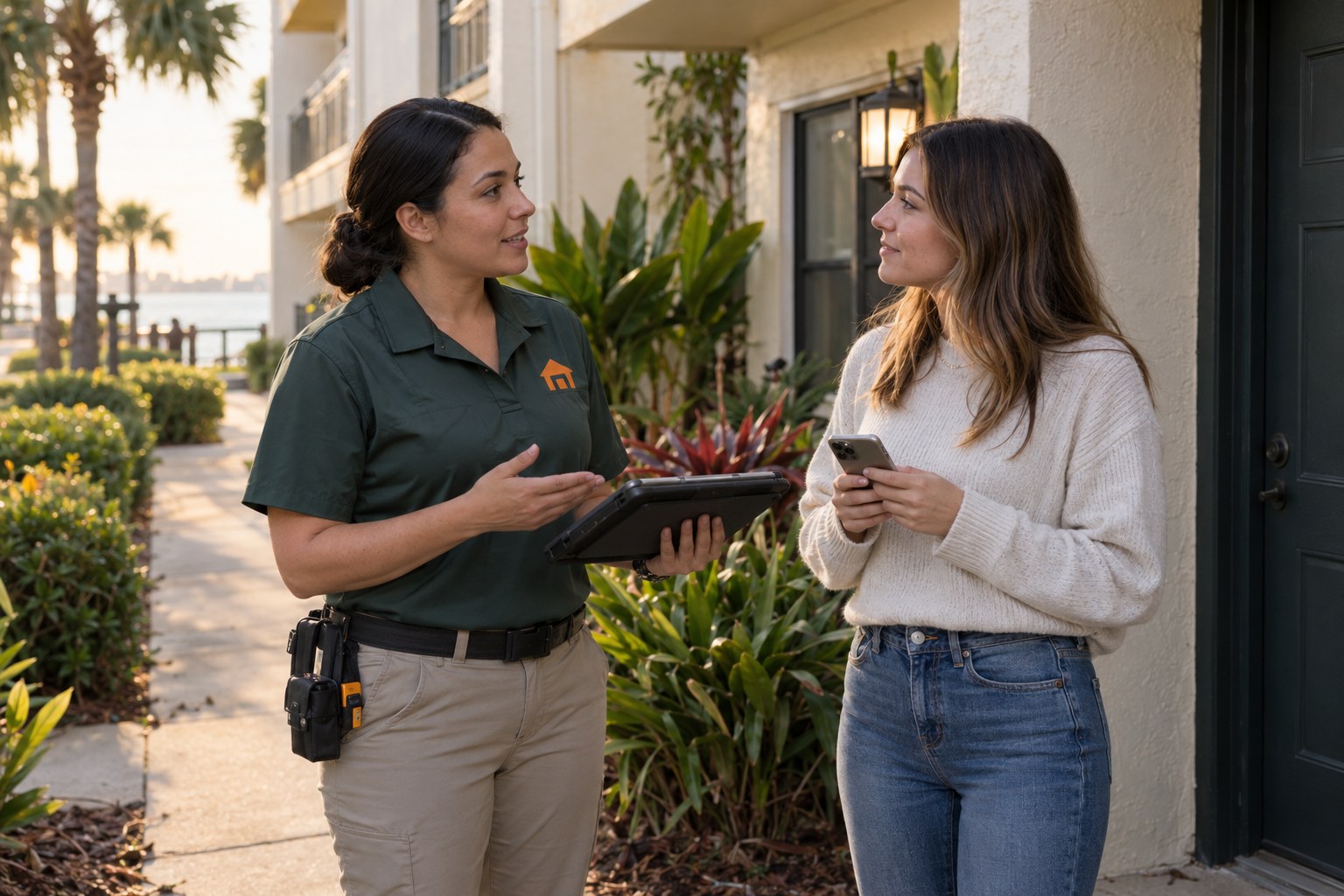
A resort island with year-round residents
Pensacola Beach has two lives at once. In the busy season it fills with visitors renting condos and cottages, and in quieter months it returns to a community of full-time residents, seasonal owners and workers who keep the island running. The locks have to serve both, and they face the same weather throughout.
For a full-time resident, a lock is part of daily routine and must be reliable and easy to use. For a rental owner, it is a business tool that must handle many users with little supervision. For a seasonal owner, it is something that must still work after months of sitting closed in damp air.
A mobile locksmith who understands these different needs asks the right questions at the start: who uses the door, how often, and who else needs access. The answers shape the advice, and they shape the hardware, so that the lock fits the real pattern of use rather than an imagined one.
Salt, sand and sun on island hardware
Few places are harder on door hardware. Salt spray coats exterior locks, sand works its way into keyways and tracks, and strong sun breaks down finishes and plastics. Locks that last fifteen years inland may need attention in five here.
The earliest signs are rough keys, stiff thumbturns, and white or green deposits around the lock face. Screws rust, and finishes dull. Wiping and drying hardware after wind-driven spray and applying a dry lubricant a couple of times a year slows the damage substantially.
When replacement is needed, coastal-grade hardware makes sense. Solid brass, stainless steel and quality coatings cost more but last longer. A technician can show the difference and help you choose where it matters, such as the exterior faces of doors that take direct spray.
Condo doors, hallways and balconies
Many island homes are condominiums with an interior hallway door and a balcony slider. Associations often have rules about hardware, keying and appearance, so check before ordering anything. Some buildings require approved keys or a master system for emergency access.
Balcony sliders face the Gulf and take punishment. Tracks fill with sand, rollers corrode, and latches wear. A stiff slider is often left open, which defeats its lock. A technician can clean the track, adjust or replace rollers and fit a secondary lock, restoring a door that closes properly.
Keep in mind that upper-floor units are not immune from risk. Balconies in some buildings are reachable from neighboring ones or from shared structures. Treat the slider with the same care as a ground-level door, and keep it locked when you are out.
Managing guest access in a short-term rental
Short stays multiply the number of people who have touched your door. Guests arrive with codes or keys, some are collected, and some are forgotten in pockets. The central question is how to ensure that access ends when a stay ends.
Keypad and smart locks answer it well. A unique code for each stay, active only for the dates, removes the need to hand over a key or retrieve it. The owner or manager can see which codes exist and delete them. The technician can set up the first codes and show you how to manage them.
For owners who prefer mechanical locks, the alternatives are a lockbox with a code changed between guests, or a regular rekey schedule. Both can work if followed consistently. Choose a system that your cleaning and management routine will actually keep up.
Turnover between seasons and long-term tenants
At the end of the summer rush, or when a long-term tenant leaves, many owners rekey the unit. It is a simple, clean reset. The technician replaces the pins in each cylinder, cuts new keys, and confirms that the old ones no longer work.
Managers handling several units benefit from planned visits. Provide a list of units, key counts and any association approvals, and the technician can work through them efficiently. Keys are tagged by unit to prevent confusion.
Authority is confirmed before work. A manager acting for an owner should be ready to show that authority, and association approval may be needed. Once those items are settled, the work is fast.
Locked out of a beach rental while away from home
A guest locked out of a rental is a stressful situation, often with small children or luggage waiting. The owner or manager is the one who can authorize help. Call us, explain the situation, and have the owner or manager ready to confirm by phone.
The technician needs to confirm authority before opening. That confirmation protects the property, and it protects the guest from unauthorized entry too. If the owner cannot be reached, the technician will explain what alternatives exist.
Non-destructive methods come first. If salt has seized the lock, the technician explains the options, which may include replacement. Call to confirm availability, because scheduling depends on where technicians are working.
Smart locks for beach conditions
Electronic locks suit rentals, but not all models handle the beach. Look for sealed keypads, corrosion-resistant finishes and batteries that are easy to change. A lock that has not been designed for salt may fail in a season.
Door alignment matters. Doors swell and shift in humid air, and a bolt that binds drains batteries and wears motors. The technician checks the fit and adjusts the strike so the bolt moves freely.
Keep a mechanical key and a battery plan. Replace batteries before the low warning becomes urgent, especially before a busy season. Test the lock at the start of each season and after storms.
Hurricane season and shuttered homes
Island owners prepare for storms early. Before a storm, secure doors and shutters, and check that latches hold firmly. A door that flexes in wind may give way where the latch is weak.
After a storm, access to the island may be limited. When you return, inspect every door and lock for salt water and sand damage. If a key feels gritty or a bolt drags, avoid forcing it and call for help.
Because ownership is checked before any work, keep proof available. If you are away and a manager must act for you, send written authority to the locksmith in advance.
Beach gear, bikes and outdoor storage
Island homes collect beach gear: chairs, umbrellas, boards, bikes, coolers. They are stored in garages, closets under stairs or small sheds. Locks there suffer more than interior ones, and a seized padlock is a common annoyance.
Choose marine-grade padlocks and hasps, or keypad locks that do not need keys. Secure bikes and boards with cable locks through the frame. A technician can help with the storage locks and suggest what makes sense for your setup.
If guests use the storage, label which lock does what and keep instructions simple. A sign with the code and a reminder to close the door properly reduce phone calls and lost gear.
Cottages and older beach houses
Some island homes are older cottages with wood doors, simple latches and decades of weathering. They have charm, and their hardware often needs updating without losing the character. A deadbolt added discreetly can improve security a great deal.
Wood doors absorb moisture and move with the seasons. Latches that once fit well may now drag. The technician adjusts strikes, resets hinges and replaces screws, restoring smooth operation.
Windows in older cottages may have weak latches. A pin or a modern latch can be added without altering the look. Ask the technician for a quick review of the whole house.
Owners who manage from far away
Many owners live off island and rely on managers, cleaners and maintenance crews. The more people who have access, the more important key control becomes. Keep a written record of who holds a key or code.
A keypad lock helps because you can issue and revoke codes. Without electronics, a rekey after a change in staff resets control. Either way, communicate clearly with your manager about who is authorized to call a locksmith.
Send the locksmith written authority for your representative in advance if you want service to proceed in your absence. Clear paperwork prevents delays and keeps the property secure.
Garage and ground-level entries
Ground-level garages and storage rooms are common under raised island homes. They are exposed to blowing sand and, in storms, water. Their doors and locks need to be durable and easy to reach for maintenance.
A deadbolt on the interior stair door, between the ground-level space and the living area, adds a second barrier. Keep it locked, especially when guests are present and the lower level is open.
Check hinges and strikes regularly, because corrosion works on them quietly. A technician can replace rusted fasteners with stainless ones during any visit.
Beachfront service visits: the sequence from arrival to key test
The technician arrives, introduces themselves and confirms ownership or authority. They examine the lock, explain what they see and describe the choices. You decide before work begins.
Work proceeds at the door with tests along the way. If new keys or codes are issued, they are counted and handed over. The technician explains how to maintain the lock.
At the end you receive a clear account of what was done. Ask any questions, and store key counts and codes in a safe place.
Booking a visit on Pensacola Beach
Call us and describe the property and the problem. Tell us whether it is a condo, house or rental, and which doors are involved. We confirm availability by phone and give a quote for routine work during the call.
Condo entry doors, sliding patio locks and salt-worn hardware can be tricky to judge remotely. For that kind of job, a technician comes by first to inspect, and the purpose of the visit charge is explained ahead of dispatch. Any extra repairs found along the way are described at the door, and you choose whether to continue.
Have proof of ownership or authority ready, along with any association approvals and keys. The technician checks authority first, completes the work and tests it with you.
Busy weekends and why preparation matters
The island has weekends when everything is full: rentals booked, parking tight, visitors everywhere. A lock failure on one of those weekends is far harder to manage than the same failure in a quiet week, because guests are waiting, check-in times are fixed and the owner may be hours away.
The sensible answer is to test every lock before the busy period. Turn each key, try each code, open each slider and check the batteries in each keypad. A lock that is stiff or erratic in the calm week before will not improve under pressure. Fix it while there is time to do it properly.
Keep a short list of the problems you notice and call once, rather than piecemeal. A technician can address several issues in one visit, and you can plan around it. If something fails at the last moment, call anyway and explain the circumstances. We confirm availability by phone and will tell you plainly what is possible.
Raised homes, stairs and exterior doors
Many island homes are raised on pilings, with long exterior staircases leading to the main entry. The door at the top of the stairs is exposed to the full force of weather, and it is often the only door on that level. That makes its lock and frame especially important.
Exterior stair doors take wind pressure, rain and salt. Check the hinges and the strike regularly, and make sure the weatherstripping is not so thick that the door has to be slammed to latch. A door that must be pushed hard wears its latch quickly and can spring open in strong gusts.
A technician can adjust the strike and hinges so the door latches smoothly with a normal push. A properly set door closes with a soft click, not a slam, and the bolt extends fully into the frame. That small difference means a lot over years of daily use in the wind.
Doors that slam in the sea breeze
Anyone who has lived near the water knows the sound of a door caught by a gust. Slamming wears the latch, loosens the strike and, over time, can crack the frame. It also makes lockouts more likely, because a door that bangs shut with the key inside leaves you outside.
Door closers, wind stops and properly adjusted hinges all help. A technician can suggest which suit your door. For lockouts, keypad entry and a habit of checking pockets before stepping out reduce the odds, and a spare key kept with a trusted person nearby provides a backstop.
Do not prop doors open with objects that can pinch the hinges. Use a stop designed for the purpose, and remove it when you leave. Small habits like this protect the hardware as much as any lock upgrade, and they cost nothing.
Ordering lock work around a rental calendar and a salty climate
Owners of beach rentals juggle two clocks: the booking calendar and the corrosion timeline. Lock work is easiest between guests, but those gaps can be short. Plan ahead by listing which doors need attention, ranking them by risk, and arranging work in a quiet stretch. A sticking balcony latch or a loose entry handle can wait until the next gap; a lock that sometimes fails to engage should be dealt with sooner, since guests will not know its quirks.
Salt changes what you should buy. Look for finishes designed for marine exposure, with sealed bodies that resist spray, and avoid thin plated pieces that pit in a season. A technician can show how different models handle the elements and recommend one that suits both the door and the way guests use it. Fewer moving parts mean fewer places for grit to settle, which matters when hands are full of beach bags and the door gets opened dozens of times in a week.
Think about the handover after work is finished. Update any printed instructions for guests, test every door from both sides with the new keys or codes, and record what was changed. If a cleaning crew or manager needs access, issue them separate credentials so you can see who came and when. Keep the old hardware parts for a short time in case something seems off, then discard them. The result is a property that works smoothly for guests and does not cost you a call on a busy weekend.
Handing over a rental to a new manager
Owners sometimes change property managers, and the handover is a moment when keys and codes need attention. The outgoing manager may hold keys, lockbox codes and keypad access. The incoming manager needs fresh, controlled access, and the owner needs to know exactly who has it.
A rekey or a code reset at the change of management is the clean answer. The technician can rekey the locks, cut keys for the new manager, and set up new codes in any keypad lock. Old credentials stop working, and the owner keeps a record of what was issued to whom.
The owner's authority is confirmed, and written permission to the new manager saves time. If an association keeps keys on file, update them too, so that emergency access remains accurate. A quiet, well-documented handover prevents disputes later.
Questions people ask us
How can I make sure a guest code stops working after checkout?
Use a keypad or smart lock that lets you set an end date for each code, or delete codes after each stay. The technician can install a suitable model and show you how to manage codes. Keep a mechanical key as backup.
Can a guest call a locksmith if locked out?
Only with the owner or manager's authority. Call us, and have the owner or manager ready to confirm by phone. The technician checks authority before opening. Call to confirm availability.
Why does my beach door lock feel gritty?
Sand and salt in the keyway and cylinder are the usual causes. Cleaning and dry lubricant can help, but a pitted cylinder is better replaced. The technician can inspect it and tell you honestly.
Do I need condo association approval to change locks?
Often yes. Many buildings control finishes, keying and electronic locks. Check with your manager before ordering, and tell us about any rules when you call so the work fits.
Can you rekey several units in one visit?
Yes. Provide a list of units and key counts, and the technician can plan the visit. Keys are labeled by unit. Authority to approve the work is confirmed first.