

Established homes and the hardware that comes with them
Neighborhoods like East Hill tend to have housing that is older than the average, with different generations of owners making their own changes. A single house may have an original wood front door, a 1980s deadbolt, a newer back door and a patio slider added later. Each door has its own lock, often from a different era.
This mix is usually the first thing a technician notices. Matching a key plan to it takes some thought. Some locks can be rekeyed together; others are too worn or unusual. A short conversation about what you want, one key for all doors or separate keys for some, shapes the plan.
The pleasure of an established home is its character, and good lock work respects that. A visit aims to improve security and function without turning a house with a history into a house with a generic modern look. Where choices exist, we describe them and let you decide.
Mortise locks, glass knobs and period hardware
Older homes often have mortise locks, where the lock body sits in a deep pocket cut into the edge of the door. These are sturdy and repairable, and they have a distinct feel. Ornate plates and glass or porcelain knobs are common on interior doors. Many of these can be serviced and kept in use rather than replaced.
Repairing a mortise lock means opening the case, cleaning and adjusting the parts, and replacing a worn spring or lever if needed. A skilled technician can rekey many mortise cylinders so new keys work without changing the look. Some cylinders are standard and some are special, so the details matter.
If a period lock cannot be saved, there are modern mortise sets that match the style and fit the same pocket, which avoids cutting a new hole in an old door. Another approach is to keep the original lock for appearance and add a discreet modern deadbolt for security.
Wood doors, frames and humidity
Solid wood doors and frames in older houses are often better than new hollow doors, and they are also more sensitive to moisture. In the humid Gulf Coast climate, wood swells in summer and shrinks in winter. A door that closes easily in January may stick in July.
When a door sticks, the lock takes the blame. People force the key, the latch drags, and the bolt scrapes the strike. Often the answer is an adjustment: tightening hinges, shimming, easing the edge or repositioning the strike plate. Doing this before replacing a lock saves money and preserves the door.
Painting matters too. Layers of paint over many decades can build up on edges and thicken the door, closing the gap to the frame. A technician can often fix this with careful work. Keep the edges and the bottom of the door sealed against moisture.
Reinforcing old frames
A lock is only as strong as the wood around it. In older homes, frames can be dry, split or worn at the strike plate. A good deadbolt in a weak frame is a weak door. Reinforcing the frame with a long-screw strike plate that reaches the stud, or a metal wrap on the jamb, adds a lot of strength.
Hinge screws are another point. Original short screws in soft old wood loosen over time. Replacing at least one hinge screw in each hinge with a three inch screw anchors the door to the framing. These small steps are low cost and not visible.
Where a frame is badly damaged, a carpenter may need to repair it. We tell you honestly when the problem is beyond lock work and when it can be handled quickly. Good security starts with a sound door and frame.
Rentals and apartments in an established area
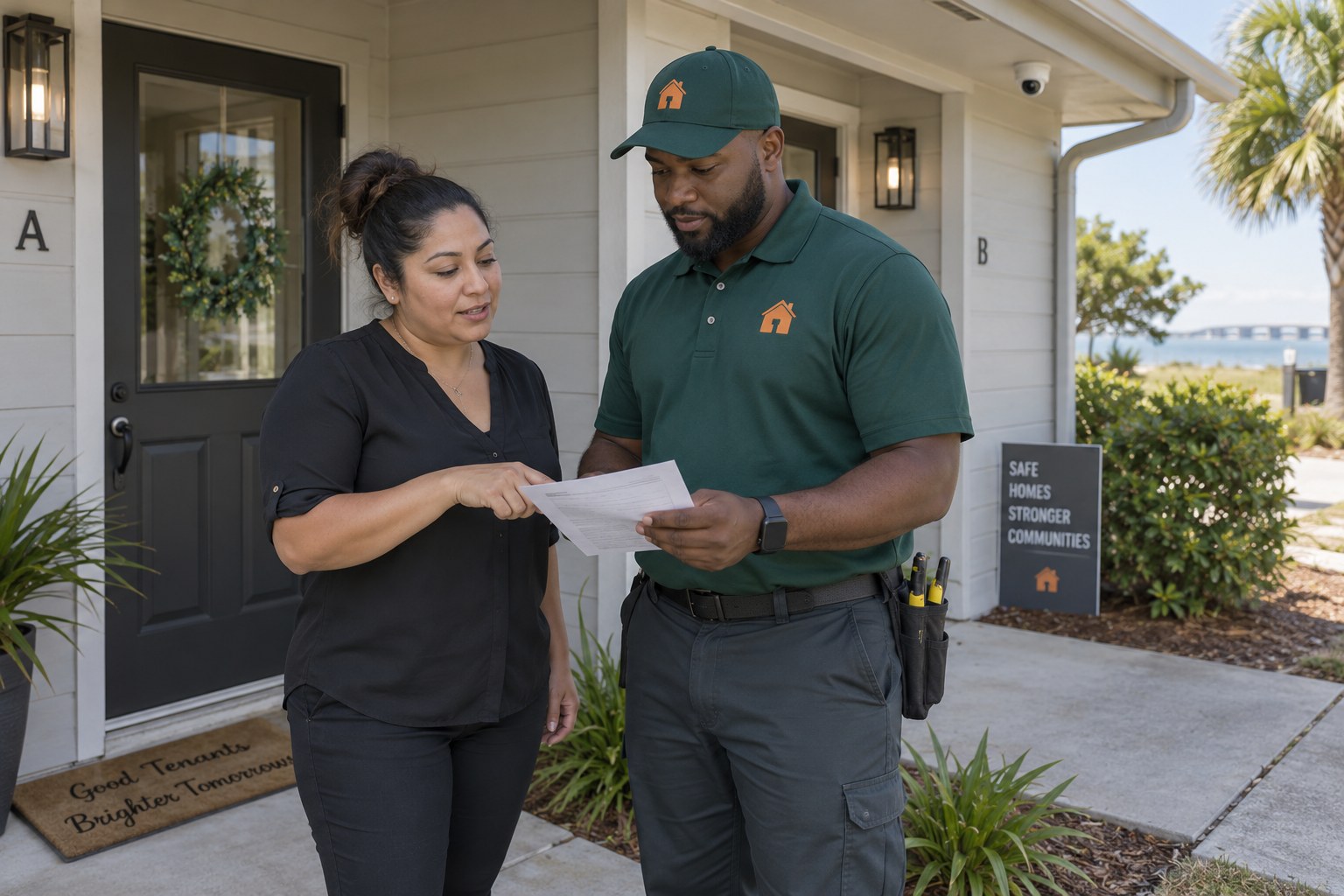
East Hill includes rentals, converted houses and small apartment buildings. Tenants and landlords share responsibility for locks. Tenants generally need approval to change locks, and landlords should rekey between tenants. A locksmith checks authority before working.
If you rent a unit in an older converted house, the door may be original and the lock a patchwork of past fixes. Ask your landlord whether the lock has been rekeyed recently. If you have concerns, a polite request for a rekey is reasonable.
For landlords, consistent hardware across units simplifies maintenance. Keyed alike locks within a single unit, and a simple record of keys, make turnover straightforward. We can help plan a system that suits a small multi unit property.
Lockouts in older homes
A lockout in an older home needs a gentler hand. Original doors and thick finishes are easy to scar. We use non-destructive methods first, such as picking, shimming and bypass tools suited to the lock. Mortise locks and old deadbolts often respond well to skilled picking.
Windows in older homes may be tempting entry points, but painted-shut sashes and old glass break easily. Do not attempt to climb in. A few minutes of patience is cheaper than a broken pane or a fall.
We check authority before opening, as always, with identification and proof of residence. Tell us about the door and lock when you call, any security gates or screens, and whether anyone is inside. Call to confirm availability.
Adding security without changing the look
Many East Hill owners want better security without altering the appearance of their home. There are ways to do this: a deadbolt in a finish that matches existing hardware, a strike plate reinforced with long screws, and a viewer or chain discreetly mounted. Window locks can be added inside, out of sight.
Doors with glass panels can be improved with laminated glass or film, or by moving a lock beyond arm's reach of the glass. Keyed locks on french doors and sliders add another layer. Good lighting and trimmed shrubs improve safety at no cost to the character of the house.
Avoid locks that look out of place if you can. Many manufacturers offer traditional styles. A technician can show you samples and explain the differences in quality, so you choose hardware that looks right and works well.
Storms, trees and older houses
Mature trees are part of the appeal, and they also bring storm risk. Fallen branches can damage doors and frames, and wind can shift older houses slightly. After a storm, check that doors still close and lock smoothly. A door that rubs or a frame that has moved can cause lock trouble.
If a tree or debris damages an entry, temporary securing may be needed until repairs are made. We can help with locks and latches, and refer you to carpenters or contractors for structural work. Keep photographs for insurance.
Before storm season, test your locks, replace batteries in electronic ones, and make sure spare keys are in a safe place. Older hardware benefits from a bit of dry lubricant and a check of screws. A small amount of care ahead of time pays off.
Move-in and renovation rekeys
Buying or renovating an older home is a natural time to rekey. Over the years, many people have had keys: previous owners, tenants, contractors, relatives. Rekeying all exterior locks gives you control from the start.
During renovations, workers need access, and keys multiply. A good plan is to use a temporary arrangement during the work and rekey when it is finished. If you are replacing doors, discuss lock choices early so the doors are prepared correctly.
Take the chance to test every lock in the house, including interior ones, closets and old cabinets. Some may be missing keys. A technician can cut keys or rekey as needed, and advise which locks are worth keeping.
Arranging a visit in East Hill
When you call, describe your home: the age if you know it, the doors involved, the locks you see, and what you would like done. Mention anything special, such as original hardware you wish to keep. A photo of the door and lock helps but is not required.
Quotes are given by phone. If the job is complicated, a technician visits and the service call charge is explained before dispatch. Please call to confirm availability. We confirm authority at the start, so have identification ready.
After the work, you receive your keys, a short explanation of what was done, and tips for care. We take pride in leaving older doors working well and looking like themselves.
Screened porches, side doors and back entrances
Older homes often have screened porches, side entries and back doors that see more daily use than the front door. These doors may have thin screen doors with simple hook latches, and an inner door with a lock that has not been changed in years. Because they face the yard and are out of sight of the street, they are common weak points.
A screen door latch is meant to keep insects and breezes out, not people. Adding a keyed lock to a sturdy screen or security door can help, but the inner door matters more. Check that the inner door has a quality deadbolt, a solid frame and a strike plate with long screws. Replace worn hinges and make sure the door closes tightly.
Porch lights, motion sensors and a clear view from the house all discourage trouble. Cut back climbing plants that give cover near the door. A technician can walk the back of the house with you and point out simple changes. Often the simplest improvements, such as lighting and trimming, are the most effective.
Keys for family members and long-time households
Established neighborhoods often have households that have lasted for years, with children who have grown up, relatives who stay, and neighbors who watch over each other. Over time, keys scatter: to a grown child, a cousin, a former helper, an old friend. Few people remember exactly who holds what.
A key review is a sensible habit. Write down every key you know about and who has it. If the list has gaps, or if someone's situation has changed, rekeying draws a line under the past and gives each person a fresh key. It also lets you decide who truly needs access now.
For older residents, simpler is better. A keyed alike set with a large head key, a keypad on the back door for family and caregivers, and a spare with a close neighbor cover most needs. A technician can help you design an arrangement that is easy to live with and easy to manage.
Maintaining older locks in a humid climate
Older locks can last for decades, but only with a little attention. Twice a year, clean the keyway, apply a dry lubricant, and work the key a few times. Wipe down the face of the lock, the latch and the strike plate. On mortise locks, a drop of light oil on the latch bolt and spindle helps.
Check the screws. Old wood holds screws less firmly as it ages, and a loose lock plate leads to wobble and misalignment. Tighten them, and if the holes are stripped, repair them with wood filler and a longer screw. A lock mounted firmly lasts longer and works better.
Watch for signs of trouble: a key that turns with effort, a latch that sticks, a handle that droops. Early attention saves money. If a lock fails, a technician can usually repair rather than replace, which protects the character of the house.
Windows, transoms and other entry points
In an older house, the front door is rarely the only way in. Double hung windows with worn sash locks, jalousie windows on porches, transoms above doors and old basement style openings all deserve a look. Many original window latches are decorative more than secure, and a thief knows it. Replacing a worn sash lock with a sound one is a small job.
Window work is shared between trades. A locksmith can add or replace latches, fit secondary locks that limit how far a window opens, and advise on keyed window locks. Glass and sash repair belong to a glazier or carpenter. We say plainly where our work ends so you can plan.
Keep ventilation and fire safety in mind. Upper floor and bedroom windows must remain easy to open from inside for escape. A keyed window lock should have the key kept nearby, not hidden away. Balance is the point: a house that is secure and also safe to leave quickly.
Older-neighborhood doors in East Hill and what changes the repair
Streets like those in East Hill carry a character that comes from age, and age shapes lock work. Doors in older homes may be thick solid wood, sometimes with decades of paint layers, and the frames may have shifted as the house settled. A new deadbolt that would fit instantly in a modern prepared door may need careful adjustment here, with the technician checking bore sizes and edge preparation before ordering or installing anything.
Existing hardware often has value worth keeping. Some homeowners like the look of an older mortise lock or decorative backplate and prefer repair to replacement. A technician can service these locks, cleaning and adjusting the internal parts or fitting a modern cylinder into the old body so the appearance stays. When a mortise lock is beyond repair, finding a suitable substitute may take some time, so describing the lock to us in advance helps.
Security upgrades in an older house should respect the structure. Drilling a larger hole into an aged door can weaken it, and thin frames may need reinforcement before a strong bolt makes sense. The technician explains these tradeoffs and lets you decide, rather than forcing a one-size solution. Ownership or authority is confirmed before work. Call us to ask about your East Hill home, and mention anything unusual about the door or its hardware.
If your home has a historic character that you want to preserve, mention it when you book. A technician can plan around original trim, avoid enlarging holes in a way that spoils old woodwork, and choose finishes that blend with existing hardware. It can take a little more care than a standard installation, but the result keeps the look of the house while giving you a working, reliable lock that you can use comfortably each day.
Pets, children and daily routines
Established neighborhoods are full of daily routines: dog walks, school pickups, gardening, neighbors chatting over fences. Locks have to fit those routines. A household that goes in and out of the back door twenty times a day needs a lock that is quick and does not wear out. A front door used rarely can be more elaborate.
Pets add small challenges. Dogs can push open a door that has not latched, and cats slip through gaps. A latch that catches reliably, and a door that closes squarely, keep them in. Pet doors are a security consideration too; ask about locking covers or placing the flap away from the lock.
Children test every latch and learn quickly. High placed bolts on exterior doors keep small ones from wandering, as long as adults can reach them and a safe way out exists. Talk through these needs when you call, and we will suggest hardware that suits the household you actually have.
Questions people ask us
Can you repair old mortise locks instead of replacing them?
Often yes. Many mortise locks can be cleaned, adjusted and rekeyed. If parts are worn beyond repair, modern mortise sets can fit the same pocket. We tell you honestly what is possible before any work starts.
My old wood door sticks in summer. Is the lock bad?
Usually the door is swelling with humidity and rubbing the frame or strike plate. Adjusting hinges, the strike or the door edge often fixes it. Replacing the lock without addressing the door will not help.
How can I add a deadbolt without changing the look of my door?
Choose a deadbolt in a matching finish and install it neatly, with a reinforced strike plate. A technician can show options that suit the style of your door. Where a new bore would harm the door, alternatives may be available.
I rent in East Hill. Can I rekey my lock?
You need the landlord's agreement, and a locksmith will check authority before working. Ask whether the lock was rekeyed since the last tenant. Many landlords agree when the work is done by a professional.
How do I get a quote?
Call us with a description of your home, the doors and what you need. Quotes are given by phone. If the job is complicated, a technician visits and the service call charge is explained before dispatch. Please call to confirm availability.