

Why old keys still matter
A key that no longer opens your door can seem harmless, and after a proper rekey it is. But before that work is done, an old key may still open your home, and knowing exactly which keys are live and which are dead is surprisingly easy to forget. A drawer of mixed keys leads to confusion and, sometimes, to carrying the wrong ones.
Old keys can also reveal information. A key stamped with a brand name, a code number or a tag can help someone work out what lock it fits. If it was labeled with an address, it is an even greater risk. Even a dead key can be a clue to what a current lock looks like.
There is also a practical side. Many households accumulate keys for sheds, former cars, old apartments, borrowed storage and relatives long gone. Sorting them periodically keeps your key ring light and your system clear. Fewer unknown keys means fewer questions when something goes missing.
Treat the process as housekeeping with a small security element. A short, orderly review once a year takes minutes and leaves you with a clean set of working keys and a clear idea of what to discard.
Sort before you decide anything
Start by laying all the keys on a table. Group them by purpose: current house keys, old house keys, vehicle keys, padlock keys, office keys and keys you cannot identify. Take a photo of the groups so you have a record before you begin.
Test the ones you can. Try each key in the lock it probably fits, and note which still work. A key that works is not an old key, even if you thought it was. Do not guess, because discarding a working spare can create a lockout.
For keys you cannot identify, think about where they came from. A former home, a relative's house, a workplace or a friend who borrowed your shed? If you cannot match a key to anything, it is a candidate for disposal, but consider keeping it for a month in case it turns out to matter.
Keep a short list of the keys you decide to retain and what they open. Store the list with your home documents. When you next review, you will see at a glance what has changed.
Old keys after a rekey
When a locksmith rekeys your locks, your old keys stop working in those locks. They become dead keys. It is worth confirming this by trying one in each rekeyed lock before the technician leaves. If an old key still turns anything, tell the technician.
Once confirmed dead, old keys are safe to dispose of, though some people keep one as a memento or for reference. If you keep it, mark it clearly as dead so no one is confused later, and store it away from your working keys.
The technician may offer to take the old pins or parts. Rekeying leaves behind small components from the cylinder. These are not valuable, but they are tidy to recycle. Ask whether they will take them or leave them with you.
If you rekeyed because a key was lost, do not assume the lost key is harmless until the work is complete. Once it is, the lost key is simply a piece of metal. That is the purpose of rekeying, and the peace of mind that comes with it is considerable.
How to dispose of old keys
For keys that no longer work and are no longer needed, the simplest disposal is to recycle them as scrap metal. Most household keys are brass, nickel silver or steel, all of which are recyclable. Collect them in a small container until you have enough to take to a scrap or recycling center.
If you worry about identifying details, remove or scratch off any tags, labels or stamped numbers before disposal. Cut the key in half with bolt cutters or heavy snips if you want to be sure it cannot be used. A mutilated key is useless to anyone.
Do not toss old keys loose into a public bin with your address attached. A bag of metal scrap without labels is safe. A key ring with a fob and an address card is not.
Some local recycling programs and household hazardous waste events accept metal items. Check with your local solid waste authority for current guidance. Do not assume curbside bins accept loose metal pieces.
Old locks removed from doors
A lock that was replaced still contains a cylinder, a latch and sometimes a keyed pattern that matches keys in circulation. Treat it as a security item until you decide what to do. The key pattern could, in theory, still match keys held by past occupants if the lock were reused elsewhere.
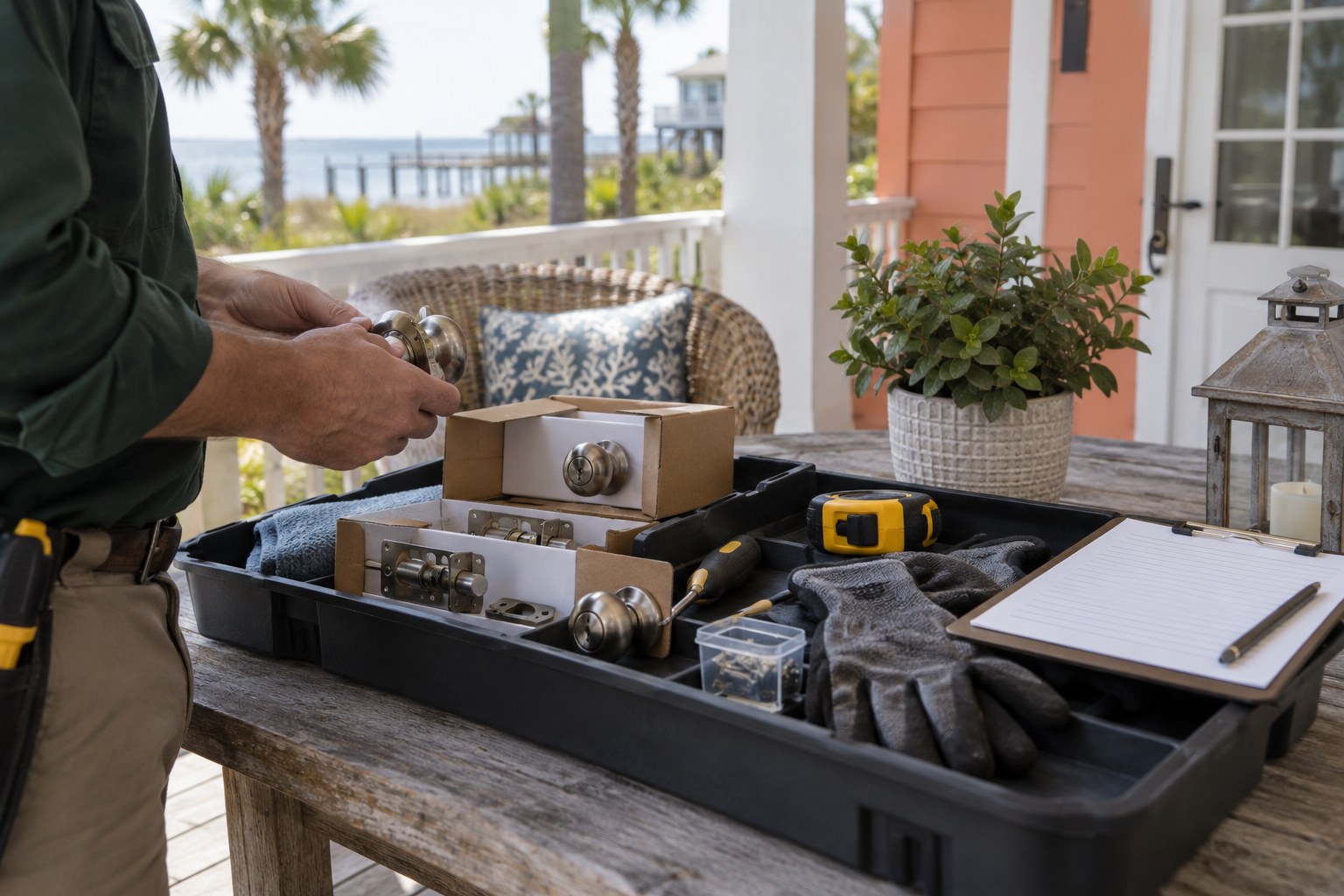
If the lock is in good condition, you may reuse it somewhere that matters less, such as a shed or an interior storeroom. A technician can rekey it first so that old keys do not work. This is a thrifty way to extend the life of good hardware.
If the lock is worn, corroded or damaged, it is scrap. Remove any plastic, springs or batteries if you can, and take the metal to a recycling center. Locks with electronics, such as keypads, may contain batteries and circuit boards that need separate disposal.
Ask the technician what they recommend. Many will take old hardware with them as part of the job, and some can salvage parts. Taking it away spares you the storage and the decision.
Electronic locks, batteries and e-waste
Smart locks and keypad locks include electronics that should not go in household trash in many places. Check with your local waste authority for e-waste drop-off options. Retailers and community events often accept small electronics.
Remove batteries before disposal. Alkaline batteries may be accepted at household collection points, and lithium batteries often require special handling. Store them in a non-metal container until you can drop them off.
Before you discard a smart lock, reset it to factory settings and remove it from your account. This deletes codes and unlinks it from your phone and app. A smart lock still tied to your account is a loose end.
If the lock was working when removed, consider whether a friend, relative or charity could use it. Make sure it has been reset, and be clear about its condition. A working lock can have a second life.
Padlocks, mailbox locks and garage hardware
Padlocks pile up in garages and sheds. Many have lost their keys, or never had a key you could find. Test each one, and decide which to keep. A padlock that works and whose key you have is useful. One without a key is only scrap, and should be cut off and recycled.
Mailbox locks and cabinet locks are small and often overlooked. If you replaced a mailbox lock after a loss, the old one can go in the scrap bin. In apartment buildings, return old mailbox keys to management as required.
Garage door remotes and gate openers need attention too. An old remote that still works with your opener is a security risk if it falls into the wrong hands. Reset the opener code and recycle the remote, or keep it only if it still serves a purpose.
Bike lock keys and storage unit keys also deserve review. If you no longer use the lock, return keys to the facility or destroy them, and make sure the unit has been cleared and the lock removed.
Returning keys when you move out of a rental
At the end of a lease, return every key as required. Count them against what you received, and ask for written confirmation of what you returned. Keep that note, since deposits and damage claims sometimes depend on it.
Do not keep copies of keys to a home you no longer occupy. A copy in a drawer is a quiet risk to the next tenant. If you made extra copies during your stay, return them or destroy them as the lease permits.
If you rekeyed with the landlord's approval, make sure the new keys are handed over and the old pins and parts are accounted for. A receipt from the locksmith helps show what was done and when.
If you rented a home and still have an old key, call the property manager and ask what to do. They will tell you whether to return it or destroy it, and your honesty prevents confusion later.
Keys you should keep and how to store them
Not every old key belongs in the scrap bin. Keep a spare for each current lock, stored in a secure place inside the home rather than hidden outside. A small safe, a locked drawer or a lockbox mounted indoors works well. Label spares discreetly, without an address, so you can tell them apart by purpose.
Keep original keys for locks that cannot be easily rekeyed or copied, such as restricted high security keys. These can be slow to replace, and the original is the best source for any future copy. Store them with the record of what they open.
Consider keeping a master list in a safe place away from the keys themselves. List each key, what it opens, where its spare lives and who holds copies. A photo of the key ring, stored with the list, helps you reconstruct things if keys are lost.
Review the stored keys at least once a year. Check that spares still work, particularly after humid summers, and replace any that are worn. A spare that fails when you need it is worse than none.
Hurricane season, flooding and salvaging hardware
After a storm or flood, old keys and locks can become part of a bigger cleanup. Water, silt and salt damage hardware quickly, and a lock that was fine before may corrode within days. If your door was submerged, have the locks inspected, cleaned or replaced rather than hoping they recover.
Do not throw out salvageable hardware in the rush of cleanup. Brass and bronze locks and handles from older homes can be worth restoring. A technician can clean, lubricate and rekey them, and they may be good for many more years.
Keep records of what was damaged for insurance purposes. A list of locks and doors affected, with photos, helps when you file a claim. Hold on to damaged hardware until the adjuster has seen it if they ask.
Once repairs are complete, rekey the doors you replaced or repaired, and sort out the keys again. Storms scatter household items, and a tidy key system afterward restores control.
Common mistakes with old keys
One frequent mistake is tossing keys into a junk drawer where they mix with working ones. Months later no one remembers which is which, and a lockout becomes a guessing game. Keep dead keys separate, or get rid of them.
Another is giving old keys to a new person without thinking. A cousin who borrowed the old shed key, a neighbor who held a spare, or a contractor who copied a key may still have working access. If you are unsure, rekey rather than rely on memory.
People also forget to remove codes from smart locks and keypads. A former roommate or helper may still have a working code long after they should. Review codes periodically and delete anyone who no longer needs access.
Finally, some people hold on to keys from a former home out of sentiment and carry them everywhere. They add weight and risk. If you want a memento, keep the key at home in a box, not on your daily ring.
When to ask a locksmith for help with leftovers
A locksmith is a useful resource when you are unsure what to do with old keys and hardware. They can identify what a key opens, tell you whether a lock is worth reusing, and rekey a good lock for a second life. They can also tell you honestly when something is only scrap.
If you have a drawer of mystery keys, bring a few to a technician during a visit and ask for help matching them. They can often tell the brand and type from the shape, even if they cannot say exactly which lock they fit. That narrows the search considerably.
Quotes are given by phone. Describe what you have and what you want, and call to confirm availability for your area. If the job is complicated, a technician visits and the service call charge is explained before dispatch.
Remember that ownership or authority is checked before any rekeying or key making. Have a lease, bill or identification ready, and if you rent, get the landlord's approval in writing for any change to locks.
Deciding what to do when you cannot tell which door an old key fits
Nearly every household has a jar or drawer of keys that nobody can name. Before you throw them away, spend a little time sorting them by shape. Keys with a round bow and a short blade often belong to padlocks or cabinets. Longer, flatter keys with brass colored heads usually come from entry locks. Stamped numbers on the bow can identify a make or a key code, though the number alone does not tell anyone how your door is keyed.
A practical test is to try each unknown key in locks you can safely reach, such as outbuildings and old padlocks, and tag the ones that turn. Never force a key into a lock that is not meant to take it, and never try unknown keys on a door that is not yours or that belongs to a neighbor or tenant. Anything that fits nothing is a candidate for disposal, but wait until you have finished a full pass of the property.
If a key worked on a lock you no longer own, the question becomes whether anyone else could still use a copy. That risk is highest for former front door keys. A locksmith can rekey a lock so that every old key becomes useless without changing the hardware, and that turns a mystery key into harmless scrap. Once that is done, you can recycle the old keys with metal waste and stop wondering what they might still open.
A simple yearly key clean-out routine
Pick a date you will remember, such as the start of hurricane season, and use it as your annual key review. Gather every key in the house, sort them by purpose and test the ones that matter. The whole exercise takes less than an hour and leaves you with a cleaner, safer system.
As you go, make three piles: keep, recycle and unsure. Keep the keys with a clear purpose, recycle the dead ones and set the unsure pile aside with a note of the date. If nothing has opened by the next review, recycle those too.
Record the result in a short note: how many keys, which doors, where spares are stored and who holds copies. Update the list whenever something changes, and put the review date in your calendar so it becomes a habit rather than a chore.
Questions people ask us
Is it safe to throw away old keys?
Once the locks have been rekeyed and you have confirmed the old keys no longer work, yes. Remove tags and labels first, and consider cutting keys in half. Avoid tossing a key ring with an address into a public bin.
Can old keys be recycled?
Most household keys are brass, nickel silver or steel and can be recycled as scrap metal. Collect them and take them to a scrap or recycling center. Check local guidance, since curbside programs may not accept loose metal.
What should I do with a smart lock I am replacing?
Reset it to factory settings and remove it from your account so codes and app links are deleted. Remove the batteries and take the lock to an electronics recycling point if available.
Can an old lock be reused?
Possibly, if it is in good condition. A technician can rekey it first so previous keys no longer work, and you might use it on a shed or storeroom. Worn or corroded locks are better recycled.
What should I do with keys to a place I moved out of?
Return them to the landlord or manager as the lease requires, and get written confirmation. Do not keep copies. If you are unsure, ask the property manager what they prefer.