
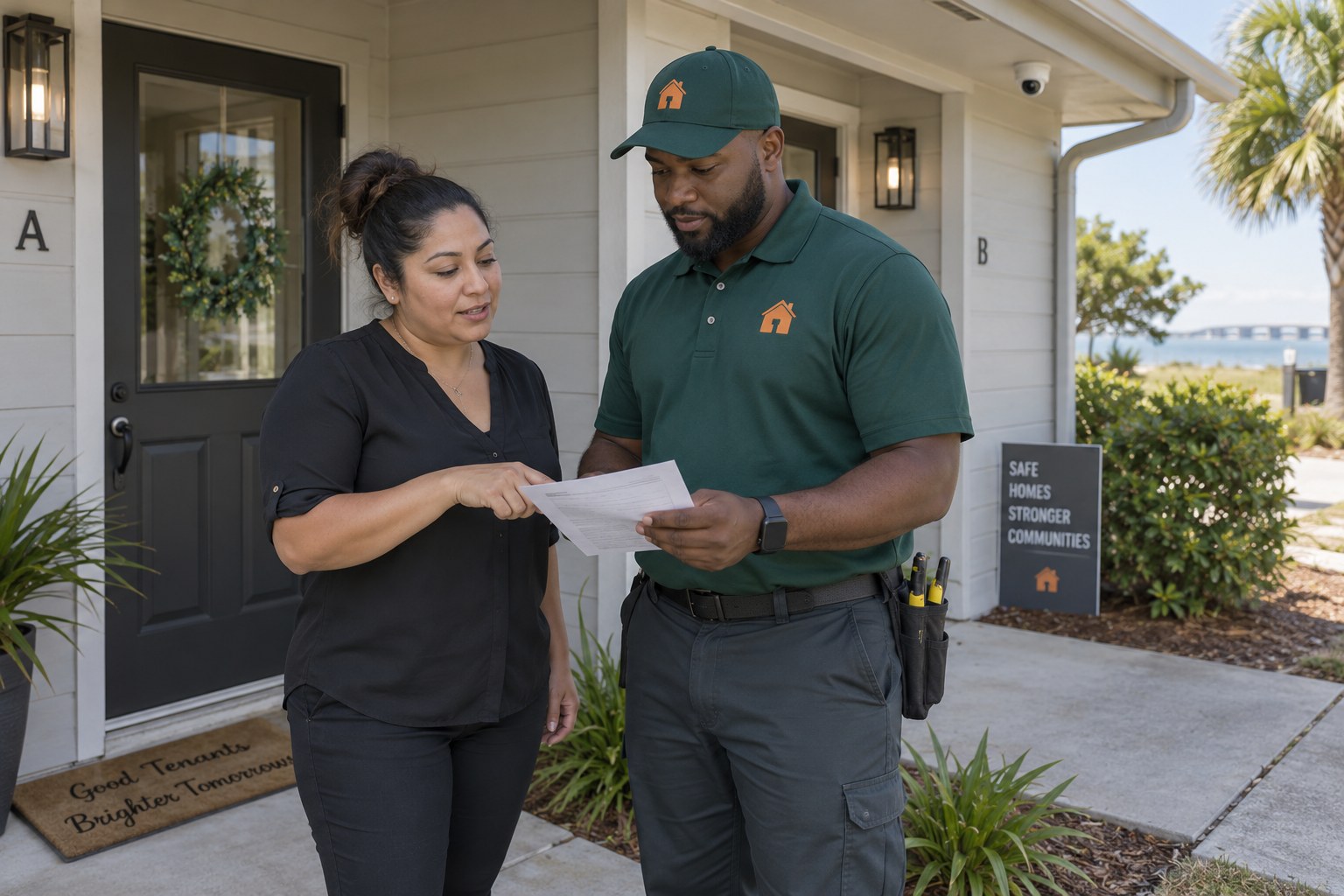
Why locks are different in managed communities
In a standalone house you generally control every lock. In a condominium or association-governed community, control is divided. The building, the common areas and sometimes the exterior of your own unit belong to the association, while the interior of the unit belongs to you. Locks sit right on that dividing line.
Associations care about locks for several reasons. Uniform appearance matters to many communities, and a mismatched front door lock can violate design rules. Security and emergency access matter too, since management, maintenance staff and sometimes first responders may need to enter a unit in certain situations.
Insurance and liability add a layer. An association may require that changes to exterior hardware be done by approved people, or that certain standards be met. Understanding these concerns helps you ask the right questions rather than guess.
Because every community is different, the only reliable answer comes from your own documents and your own management. This guide helps you know what to look for and how to ask, but it cannot replace reading what applies to your property.
Find out what your documents say
Start with the governing documents. Condominium declarations, bylaws, rules and regulations, and any architectural guidelines may all mention doors, locks and hardware. Look for language about exterior doors, entry hardware, common elements and unit alterations.
If you rent, your lease is the starting point, and the association's rules may apply through the landlord. Many leases forbid changing locks without permission, whatever the building rules say. Read both documents or ask your landlord what applies.
If you cannot find the information, ask the management company or the association board in writing. A short email describing what you want to do, and asking what approvals or standards apply, creates a record and usually gets a clear answer.
Keep what you learn. A saved copy of the relevant rule, with the date you checked it, protects you if a question comes up later. Rules can change, so confirm again before major work.
Which doors are usually yours and which are not
The front door of a condo unit is often considered a common element or an exterior component, even though you use it daily. Many associations control its color, style and hardware, and some require approval or specific products. Do not assume that because you live behind it, the choice is yours alone.
Interior doors within your unit, such as bedrooms, closets and bathrooms, are normally yours to manage. Changing a knob or a privacy lock on these rarely requires approval. If in doubt, a quick check with management settles it.
Balcony and patio doors fall somewhere in between. Because they affect the building's exterior and may be subject to storm or fire rules, associations sometimes regulate them. Sliding doors in particular may have specifications for glazing and hardware.
Garage and storage doors in a community vary. Some belong to individual owners, and some are shared. Parking gate fobs, mailbox locks and amenity access cards almost always belong to the association.
Asking for approval the right way
When approval is needed, put your request in writing. Describe the door, the lock you plan to install or the rekey you want, and the reason. Include the brand, finish and a link or photo of the product if you have one, so the board can compare it with the standards.
Ask what the process is and how long it takes. Some boards meet monthly, so a request can take weeks. Plan around that, particularly if you are moving in or have a security concern. If the matter is urgent, explain why and ask whether an interim approach is available.
Be polite and specific. Boards and managers handle many requests, and a clear, courteous one tends to go smoothly. Offer to follow whatever standards apply, and ask whether the association has an approved list of hardware or vendors.
Keep every response. An approval email or letter, with the date, is the document a locksmith may want to see before work. Print or save it where you can find it.
Rekeying versus replacing in a managed community
Rekeying is often the easiest path in a community with strict rules, because it keeps the existing hardware and appearance. Nothing changes on the outside of the door, which may mean a lighter approval process or none at all. Ask the association to confirm.
Replacing a lock changes appearance and sometimes function. If the community requires a certain finish, brand or style, make sure the new lock matches. Installing a smart lock or keypad may need specific approval because of the electronics and the exterior look.
Consider whether the association keeps a master or emergency key. If you rekey a lock they have a key for, the old key will no longer work, which may matter for emergency access. Ask what the community expects and how to hand over a new key if required.
A locksmith will check ownership or authority before work begins. For a condo owner that may be a deed or tax record and identification. For a renter, it is the lease and the landlord's written approval.
Emergency access and master keys
Many associations and buildings keep a key to each unit or a master system for emergencies. This lets maintenance, management or responders enter in case of a fire, a leak or a medical situation. Changing your lock without telling anyone can complicate such access.
Ask the association what they expect. Some require owners to provide a copy of any new key. Others have a lockbox or a key control system. Follow the procedure, and keep a record of when you provided a key.
Keep your own emergency plan. A neighbor, a trusted friend or a lockbox can help if you cannot answer the door. Make sure someone knows how to reach you or a family member.
If you do not want the association to hold a key, ask what the rules require. Do not assume you can refuse. Some communities have rules that make it mandatory, and breaking them can lead to fines or forced entry at your cost.
Renters, landlords and the association
A renter in a condo or HOA community deals with two parties: the landlord and the association. The landlord controls the lease, and the association controls the common rules. A lock change may need approval from both.
Go to the landlord first. Explain what you want and why, and ask for permission in writing. The landlord can then check with the association if needed, or tell you to proceed through them.
Do not change locks on your own. Doing so can violate your lease, risk your deposit and put the landlord in conflict with the association. A locksmith will ask for approval before rekeying or replacing anything.
If you are locked out, opening your own door is generally simpler than changing the locks. A locksmith confirms you live there with a lease or utility bill, and opens the door without changing the hardware.
Coastal conditions and building rules
Pensacola's climate affects condos and communities in particular ways. Salt air, humidity and storms are hard on exterior doors, and associations may specify corrosion-resistant hardware, impact-rated doors or approved finishes. Check the rules before buying products.
Hurricane season brings its own requirements in some buildings, such as shutters, door reinforcement or procedures for securing balconies. Make sure any lock change fits with these plans, and does not interfere with shutters or storm measures.
Older condominium buildings may have original hardware that is difficult to match. A technician can often repair or rekey it, and approval may be easier if the exterior look is unchanged.
After a storm, associations often inspect doors and frames. Report any damage promptly, and ask whether repairs are the association's or your responsibility. Keep photos and records.
Shared entrances, fobs and amenity access
Much of a managed community's security lives outside your own front door. Building entrances, parking gates, pool gates, fitness rooms and mailrooms often use fobs, cards or shared keys controlled by management. You generally cannot rekey or replace these yourself, and tampering with them can lead to penalties.
If you lose a fob or card, report it right away. Management can deactivate the old one and issue a new one, sometimes for a fee. Delay leaves a working credential in the world, and it puts your neighbors at risk as well as you.
Do not prop shared doors open or let strangers follow you in. It feels impolite to question someone, but tailgating is how many buildings are breached. A courteous suggestion to use the intercom or call the resident works.
If a shared lock sticks or a gate malfunctions, report it to management in writing. Keep a copy of the message. A locksmith may be called by management, and the association usually decides who does the work.
Common disputes and how to avoid them
Disputes about locks usually come from surprise. An owner installs a new lock without asking, and the board finds out later. Or a tenant changes locks and the landlord discovers the keys no longer fit. Asking first, in writing, avoids almost all of this.
Another source of conflict is emergency access. If management cannot enter a unit during a leak or alarm, damage can spread, and the owner may be responsible. Understanding the arrangement in advance prevents unpleasant costs.
Appearance rules also cause friction. A bright brass lock on a building that requires dark bronze may be ordered removed at the owner's expense. Check the approved finishes before you buy anything.
If you disagree with a decision, raise it politely with the board or manager and ask to see the rule behind it. Most disputes ease when both sides read the same document.
Practical steps before you call a locksmith
Gather your information first. Have your unit address, a copy of your deed, lease or other proof of residence, and any written approval from the association or landlord. A locksmith checks ownership or authority before opening, rekeying or replacing locks.
Decide what you want. Do you need a lockout opened, a rekey, a new deadbolt or a keypad? Knowing the goal helps the dispatcher quote accurately. Quotes are given by phone, and you should call to confirm availability for your area.
Tell the dispatcher you live in a condo or managed community. They may ask about gate access, visitor registration or parking, so the technician can reach your door without delay. If there is a guard or gate code, have it ready.
If the job turns out to be complicated, such as an unusual door or a conflict with building rules, a technician visits and the service call charge is explained before dispatch. Ask questions, and decide with full information.
Keeping records and staying organized
Create a small folder, paper or digital, for your condo or HOA lock matters. Include the relevant rules, your approval emails, receipts for work, and a list of who holds keys. This folder is useful if the board questions a change, if you sell the unit or if a tenant moves out.
Record the date of each change and the brand of hardware installed. When you need another key or a repair later, this information saves time. A technician can use it to bring the right parts.
Photograph the door before and after any work, from inside and out. Photos show that appearance rules were followed and document the condition if a dispute arises.
Review the folder yearly. Rules change, boards turn over, and management companies come and go. A quick annual check keeps you informed and avoids surprises.
Buying, selling and moving within a managed community
When you buy a condo or a home in an association, ask what the community expects about locks. Some sellers hand over a pile of keys with no record of who holds copies. Rekeying soon after closing, with any required approval, resets control and gives you peace of mind.
When selling, make the handover tidy. Return all keys, fobs and cards as required, provide a list of what you are leaving and avoid hiding spares. If you changed locks, tell the buyer's agent, and make sure the new keys go with the sale.
Moving within the community, say from one unit to another, is a good moment to review what you carry. Return old fobs and keys, and ask management to deactivate anything you no longer need.
Real estate agents, inspectors and appraisers often need access. A lockbox with a code, set up with permission, avoids handing out keys. Change the code afterward, and keep a log of who entered and when.
What to do when the rules and your actual door disagree
Sometimes the paperwork says one thing and the door in front of you says another. The documents may require a particular brand of lock, but the previous owner installed something different, or a unit has been through two or three owners without anyone checking. If you discover a mismatch, resist the urge to fix it quietly. A small, well-documented difference is easier to resolve than a hidden one that surfaces during a sale or an inspection.
Start by taking clear photos of the current lock, the door and the area around it. Write a short note describing the model and finish if you can read them on the hardware. Send these to the manager or board with a polite request asking whether the current setup is acceptable or what change they prefer. Keeping the tone cooperative and factual tends to get a faster answer than a complaint.
While you wait for a reply, avoid replacing anything on the exterior face of the door. Interior-side changes and rekeying that keep the same hardware are often allowed without a formal process, but confirm before assuming.
When you have an answer, share it with us when you call. We can then plan the work to match, confirm that the person requesting it has authority over that unit and complete the change in a single visit.
Keep every message in one folder, whether email or paper. If the manager's answer arrives by phone, send a short note afterward that restates what was agreed. A written trail makes later changes of management or board members far less stressful, and it saves you from having to prove what you were told months earlier. It also helps the next owner of the unit understand which choices were approved and why.
A simple checklist for condo and HOA residents
Read your rules for exterior doors and locks, and note any approved finishes or products. Ask management whether they hold a key to your unit and what happens if you change the lock. Save the answers in your folder.
Before any work, get written approval if required, and confirm who will do the work. A locksmith checks ownership or authority first, so have your documents ready. Call to confirm availability, ask for a quote by phone and keep your receipt.
After the work, test every key, give management any copy they require and update your key list. Photograph the finished door for your records.
Finally, build good habits: lock up every time, report lost fobs immediately, and know whom to call after hours. A little attention goes a long way in a shared community.
Questions people ask us
Can I change the lock on my condo front door?
It depends on your governing documents. Many associations regulate exterior door hardware. Check your rules and ask management in writing before changing anything. This is general information, not legal advice.
Is rekeying easier to get approved than replacing?
Often, since it keeps the existing hardware and appearance. Still, ask the association, and find out whether they hold a key that will stop working. A locksmith checks ownership or authority first.
Does the association have a key to my unit?
Many do, for emergencies. Ask management what the arrangement is and whether you must provide a copy of any new key. Follow the procedure and keep a record.
I rent a condo. Who do I ask about locks?
Ask your landlord first, in writing. They may need to check with the association. Do not change locks without approval, since it may violate your lease.
What if I am just locked out?
A locksmith can open your door after confirming you live there, usually with a lease, bill or identification. Opening a door does not change the lock, so it is generally simpler than rekeying.