
What housing looks like downtown
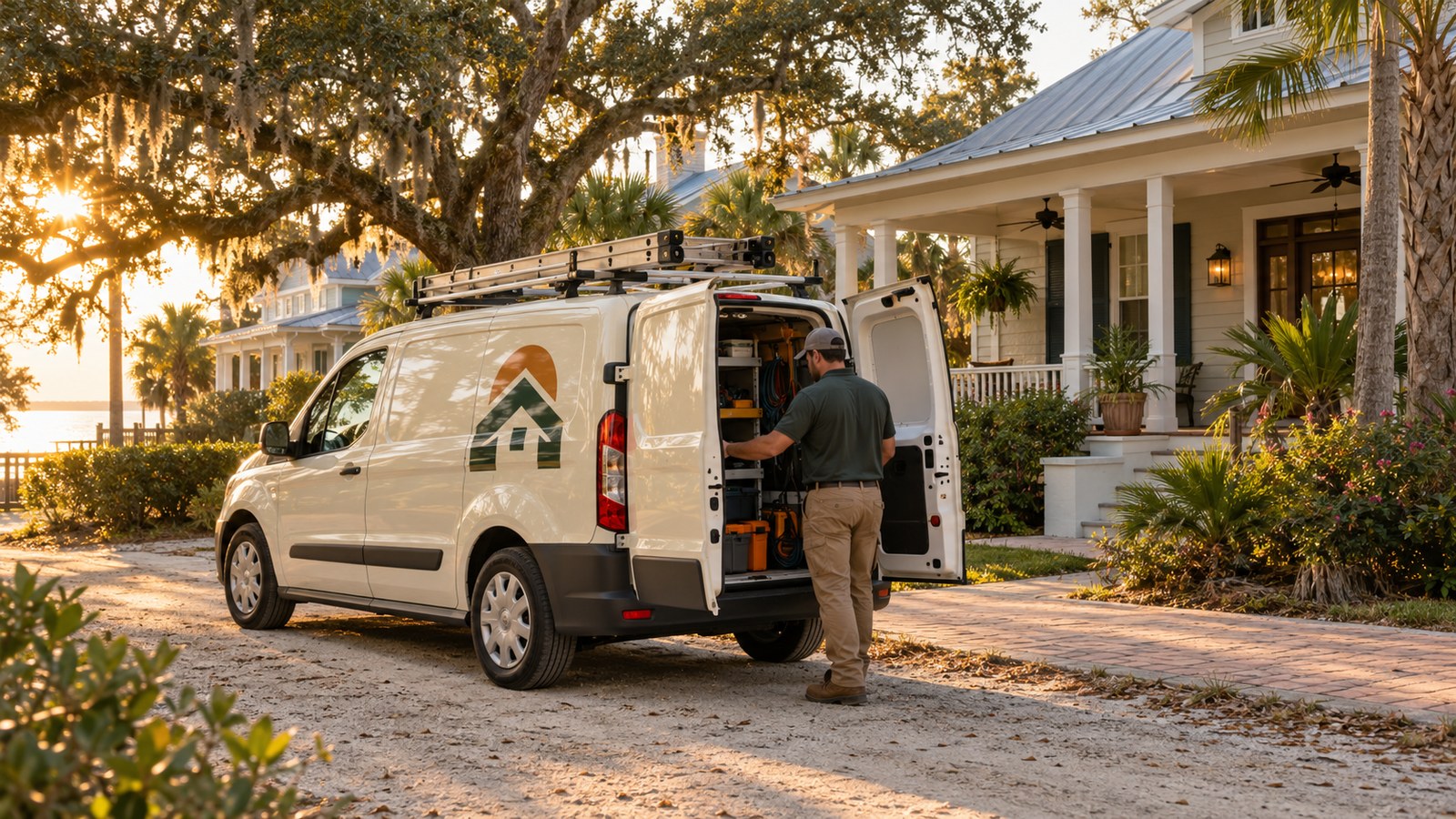
Downtown Pensacola mixes apartments, condos, townhomes and older buildings that have been converted into homes. Some residents live above ground floor spaces; others have a single family house on a small lot just a few blocks from the waterfront. The mix means very different doors: modern units with metal entry doors, old wood doors in renovated buildings, and balcony or courtyard doors with their own latches.
Because buildings are close together and foot traffic is high, residents often care a lot about entry control. Who can come through the building door? Who has the key to your unit? How secure is the balcony? These questions shape the choices people make about hardware and habits.
A call that starts with a description of your building, your floor, and what kind of door you have helps the technician prepare. Even a single sentence such as third floor condo with a metal door and a deadbolt can guide the choice of tools and parts.
Shared entries, fobs and intercoms
Many downtown buildings have a main entrance controlled by a key fob, a code or an intercom, with the unit door behind it. The building system belongs to the owner or association, and changes to it go through management. A locksmith will not alter a shared system without authorization from the people in charge.
Your unit door is a different matter. With the landlord's or association's consent, it can usually be rekeyed or upgraded. Some buildings have rules on the type of lock or the finish to keep corridors uniform, and others require that a master key be kept for emergencies. Ask the office what applies before arranging work.
If you lose a fob, report it right away. A lost fob can be deactivated by management. A lost unit key may mean rekeying, and a technician can often do that without disturbing neighbors, with minimal noise and a short visit.
Condo and apartment rules about locks
In rentals and condos, the rights of owners, tenants and associations overlap. As a tenant, you typically need written permission to change locks. As a condo owner, the association may set rules on the exterior of the door, including hardware color and style, even though the lock inside is yours.
Fire and safety codes also apply. Corridor doors often need to close and latch on their own, and interior thumb turns must allow quick exit. A lock choice that conflicts with these rules can cause problems. A technician familiar with residential buildings can steer you toward options that meet them.
Keep your lease or association documents handy, and when you call, mention who owns the unit and whether the management has approved the work. It speeds up the authority check, which we do on every job.
Lockouts in a compact city
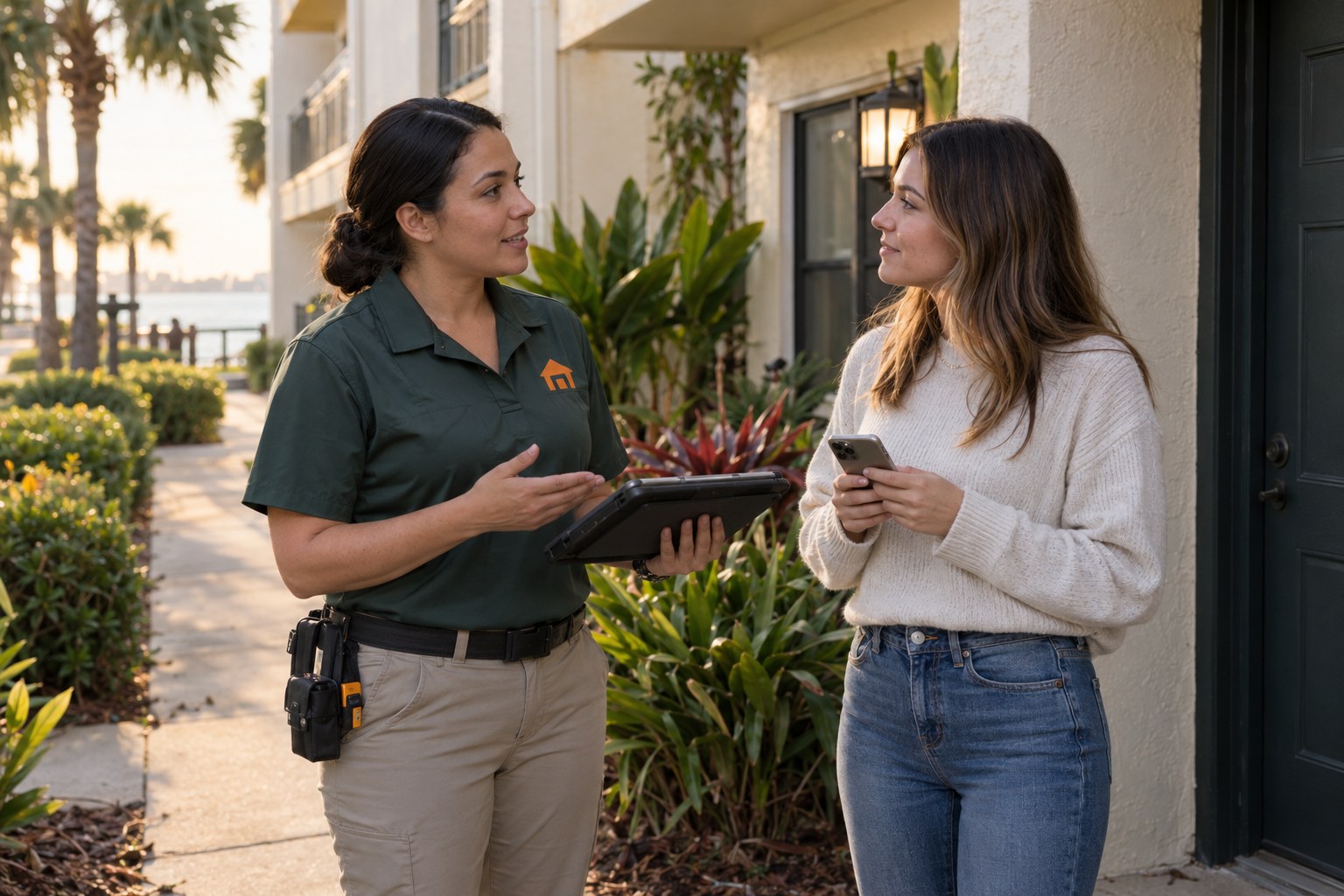
A lockout downtown can happen after an evening out, in the middle of the day, or when a visitor leaves and the door shuts behind them. Many modern units have doors that lock automatically, and one slam can leave you in the hallway with no key.
Before calling, check whether the building manager or a neighbor has a spare, and whether the property office is open. Property managers can often authorize the work or provide access. If you must call a locksmith, have identification ready and mention the building name and floor.
We open doors without damage whenever possible. Metal entry doors and hardware in apartment buildings are often standard and well understood. After entry, we check the lock and suggest sensible measures if needed. Call to confirm availability and let us know if anyone is inside.
Balconies, sliders and the bay breeze
Balcony doors are a joy for the view and the breeze, and a frequent source of lockouts and security concerns. Sliding balcony doors often have simple latches. They can be lifted off track or forced, especially on lower floors. A secondary lock or a bar in the track adds protection without blocking the view.
Wind off the water can push light doors shut, and a latch can catch while you are outside. A keyed lock from the balcony side, or a prop in the track, avoids being shut out. Do not rely on a screen door to keep a door open.
Salt air affects balcony hardware quickly. Latches, tracks and handles corrode and stiffen. Rinsing and light lubrication of the track and latch keep them working. If a door sticks, address it early; forcing a stuck slider can break the glass or the frame.
Humid, salty air and compact living
Close to the bay, salt and humidity work on every exterior surface. In an apartment building, the corridor side of your door is usually protected, but balcony and courtyard doors are not. Ground floor units near the water see more corrosion than upper floors.
Choose finishes that stand up to moisture. Stainless steel and solid brass last, and quality coated finishes hold up well. Cheap plating pits quickly. If you are renovating or replacing, ask for hardware rated for coastal use.
A few minutes of maintenance twice a year can make a big difference. Wipe hardware with a damp cloth, dry it, and apply a dry lubricant to keyways and moving parts. Report any worsening stiffness. Compact living leaves little room for a lock that does not work.
Rentals, short stays and event weekends
Downtown draws visitors for events, dining and the waterfront, and many units are rented short term. Owners and managers face frequent key handoffs. Keypad locks and lockboxes are popular because codes can be changed between guests without cutting keys.
If you manage a short stay unit, consider a keypad on the entry door with a mechanical backup. Change codes for each guest or at least regularly. Keep a record of who knows the code. Check batteries between stays.
Guests lock themselves out more often than residents. A clear instruction card with the door type, the code procedure and a contact number reduces calls. For owners who prefer keys, rekeying between longer stays gives a clean start.
Older and converted buildings
Some downtown buildings date from earlier eras, and their doors reflect it: heavy wood, transoms above, deep frames and old mortise locks. Converted spaces may combine old doors with new requirements, such as fire ratings, which affect what hardware is allowed.
Treat these doors with care. A technician can service old locks, rekey them, and sometimes add modern security without altering the look. Where replacement is needed, matching the style is often possible.
If your building is historic or has an association with design rules, check before making visible changes. We can work within those limits, and we will tell you plainly what is possible.
Parking, garages and gates
Residents often have assigned parking in a garage, a lot or a gated area. Keys, fobs and gate codes for these spaces are managed by the building. If you have a personal padlock on a storage cage or a bike room, that is yours to manage.
Cars parked on the street or in garages can also be a lockout concern. We help with home lock service, and for vehicle lockouts we check ownership first. Keep spare keys for your car in your unit, not in the car.
If your parking access fails, contact management first, since the system is theirs. A locksmith can help with any private locks you add.
Security habits for city living
Do not prop building doors or let strangers follow you in. Report broken entry doors to management. Keep your unit door locked even when you are home. Use the peephole or a viewer before opening.
Know your neighbors and the building staff. A friendly nod and a shared awareness make a place safer than any lock alone. Keep your key control tight: no keys labeled with unit numbers, no hidden spares near the door.
If you feel unsafe, say so to management and to the police. A locksmith can improve hardware, but community and communication matter just as much.
Arranging help downtown
When you call, tell us the building, your floor, the type of door and what has happened or what you want. Mention whether you own or rent, and whether management is aware. We confirm authority on every job.
Quotes are given by phone. If the job is complicated, a technician visits and the service call charge is explained before dispatch. Please call to confirm availability. Parking and building access can affect arrival, so let us know the best entrance.
After the work, you receive your keys, a short explanation and, if you wish, advice on next steps. We aim to leave your door working smoothly and your mind at ease.
Peepholes, door viewers and door chains
In a building where strangers pass in the hallway, being able to see who is at the door before opening it is a simple comfort. A wide angle door viewer replaces a narrow or missing one and costs little. Digital viewers with a small screen are also available. They install in the existing hole and do not alter the look of the door from the corridor.
Door chains and swing bars let you open a door a few inches to speak with someone while keeping it secured. They are only as strong as their screws, so mounting them with long screws into the frame matters. A weak chain on a thin frame gives a false sense of safety. A technician can fit a sturdier version and reinforce the frame.
Check with management before adding anything that alters the door. Some buildings regulate viewers or require a particular type. When in doubt, ask. The point is a calm sense of control over who comes in, achieved with modest, tasteful hardware.
Deadbolts that meet building and safety rules
A good deadbolt is the heart of unit security. In multi family buildings, safety rules usually require that you can exit quickly without a key, so a single cylinder deadbolt with a thumb turn inside is the standard. Double cylinder bolts that need a key on both sides are generally a bad idea for homes.
Door and frame matter as much as the lock. Metal doors in older buildings may have thin frames, and wood frames can be soft. A reinforced strike plate with long screws, and a bolt that extends a full inch, give real resistance. Technicians can check and improve these at the same time as the lock.
Keep in mind that corridor doors in some buildings are fire rated. Drilling extra holes or changing the hardware without approval can affect the rating. A reputable technician asks about this, and works within the building's requirements.
Moving in or out of a downtown unit
Moves happen constantly in a city center, with tenants coming and going. At move-in, rekeying is the cleanest start. At move-out, return every key and fob and document it. For owners, a rekey between tenants is a routine step, easy to schedule between a departure and an arrival.
Movers and delivery crews need access, and propping doors invites trouble. Plan so that someone is at the door for the move, and lock up as soon as the move is done. Avoid leaving keys with people you do not know.
If you are subletting or sharing a unit, make sure everyone with a key is known to the owner and to management. Unauthorized copies and unclear arrangements cause many of the disputes locksmiths hear about. A short written agreement helps.
Smart locks and keypads in apartments
Keypad and smart locks are popular in city apartments, where a resident may carry a bag, a bike or a pet and not want to fumble with a key. A deadbolt with a keypad can be installed on many unit doors, usually replacing the existing deadbolt without changing the door. It needs landlord or association approval in most rentals and buildings.
Choose a model with a mechanical key backup, a clear low battery warning and a finish that suits a coastal setting. Be careful with codes in a shared corridor, since neighbors may see or hear them. Avoid obvious codes like birthdays, and change them after guests or workers leave.
Think about what happens in a power or network failure. Battery powered locks keep working, but app-based features may not. A resident should always be able to enter with a code or a key even if the internet is down. A technician can explain how the model behaves in those cases.
Stairwells, elevators and the walk to your door
In a downtown building the route from the street to your unit often passes three or four locks before you ever touch your own. There may be a street door, a lobby door, a stairwell door that locks from the stair side only, and an elevator that needs a fob after certain hours. When a technician is called for a lockout, we ask which of those doors you already got through, because the answer tells us whether the problem is your unit lock or the building access system.
Stairwell doors deserve a special mention. Many are fire-rated, self-closing and set to lock behind you, which means a resident who steps out to take the trash down can be shut out on a landing with no phone and no key. Keeping a spare key or access card on a lanyard by the door saves a very annoying evening. We cannot alter fire-rated hardware in a common area, since that belongs to the building and its manager.
If you are locked out in a shared hallway, tell the technician up front whether a neighbor or the property manager is reachable. Sometimes the fastest and least costly route is a manager with a master key rather than a locksmith visit. When the lock on your own unit is the issue, we confirm you live there before opening it.
Choosing locks for a unit with thin walls and shared hallways
Apartment and condo doors downtown are often lighter than the solid entry doors you find on a house, and the frames around them are sometimes set in older plaster or thin metal studs. A strong deadbolt matters less than what it bolts into. A technician checking your unit will press on the door near the strike, look at how deep the screws bite, and see whether the frame flexes. A better lock in a weak frame is only a small improvement.
Noise is another real concern. Residents who share a wall with a hallway hear every key turn, and a loose or rattling lock can mean your neighbors hear when you come and go. A deadbolt that throws smoothly and quietly is a quality-of-life upgrade, not just a security one. Some buildings also limit which lock brands or finishes can be used on an exterior door so the hallway looks uniform, so we ask about that rule before ordering anything.
Think about how many people truly need a key. A roommate, a partner, a dog walker and a cleaner can add up to five copies quickly. Rekeying the unit when someone leaves is usually simpler than trying to track down every copy, and it keeps your keyring from growing out of control.
Mail, packages and small locks
City living brings packages, mail slots and tiny locks that cause outsized annoyance. Mailbox keys get lost, and the lock is usually controlled by the postal service or the building, not by a locksmith. Report problems to the proper party first. Package rooms and lockers are building systems too.
For personal items, small locks such as a storage cage padlock, a bike lock or a cabinet lock are within our work. If a key is lost for any of these, bring proof that the item or space is yours. We check authority before cutting or drilling a lock.
Wherever you keep valuables, a combination of good habits and decent hardware beats a single strong lock. Avoid leaving packages at the door where they advertise absence, and use building services where available.
Questions people ask us
Can you rekey my condo or apartment door?
Usually yes, with the owner's or landlord's authorization and any association approval required. Some buildings have rules about hardware or keep a master key for emergencies. Ask the office what applies and let us know when you call.
I lost my building fob. Can a locksmith help?
Fobs and shared entry systems belong to the building, so report the loss to management, who can deactivate it. A locksmith can help with your own unit door and any private locks.
How do I secure a balcony sliding door?
Add a secondary lock or a bar in the track, and keep the track clean so the door closes fully. Salt air corrodes latches, so a light dry lubricant helps. We can fit a keyed lock to prevent balcony lockouts.
What proof do I need for a lockout downtown?
Identification and something linking you to the unit, such as a lease or mail. Management can often authorize by phone. We check authority on every job to protect all residents.
How do I get a quote?
Call us with the building, your floor, the door type and what you need. Quotes are given by phone. If the job is complicated, a technician visits and the service call charge is explained before dispatch. Please call to confirm availability.